Oil falls on report Pakistan is pushing for new U.S.-Iran talks with China's backing
Source Entity
US Top News and Analysis
Oil prices experienced a 3% decline following reports that Pakistan is mediating new U.S.-Iran talks with Chinese support. Despite this dip, crude benchmarks remain up significantly this week due to ongoing Middle East conflict and supply concerns.
The Volatility of Global Energy Markets Amid Middle East Escalation
Global energy markets are currently experiencing extreme volatility as the ongoing conflict between the United States and Iran intensifies. On Friday, oil prices retreated by approximately 3%, with Brent crude futures settling at $96.78 and U.S. West Texas Intermediate (WTI) falling to $89.31 per barrel. This decline, while notable, comes after a week of aggressive gains, leaving both benchmarks on track for weekly increases of 8% to 10%. This price action highlights the market’s extreme sensitivity to geopolitical developments that threaten the stability of global oil supply chains.
The Geopolitical Pivot: Pakistan and China’s Diplomatic Intervention
Recent reports indicate that Pakistan is actively pushing for renewed diplomatic engagement between the United States and Iran, a move reportedly backed by Beijing. The motivation behind this diplomatic push is rooted in the tangible economic impact of the conflict on China. As a major importer of Gulf energy, China has expressed growing dissatisfaction with Iran’s military activities, particularly attacks on regional states and the strategic closure of the Strait of Hormuz. These actions have directly impeded Chinese energy security, forcing Beijing to leverage its diplomatic influence to stabilize the region.
The Economic Consequences of Strait Instability
The Strait of Hormuz remains the world’s most critical maritime oil chokepoint, and its closure has served as a primary catalyst for the recent surge in global oil prices. When shipping lanes are threatened, the risk premium on oil contracts spikes, as traders factor in the potential for extended supply disruptions. Even with the reported diplomatic efforts to de-escalate, the market remains fragile. The 3% drop in prices on Friday suggests that investors are cautiously optimistic about the prospect of new talks, yet the broader weekly gains indicate that the threat to physical supply remains the dominant factor in price discovery.
Domestic Implications: Texas and the U.S. Energy Outlook
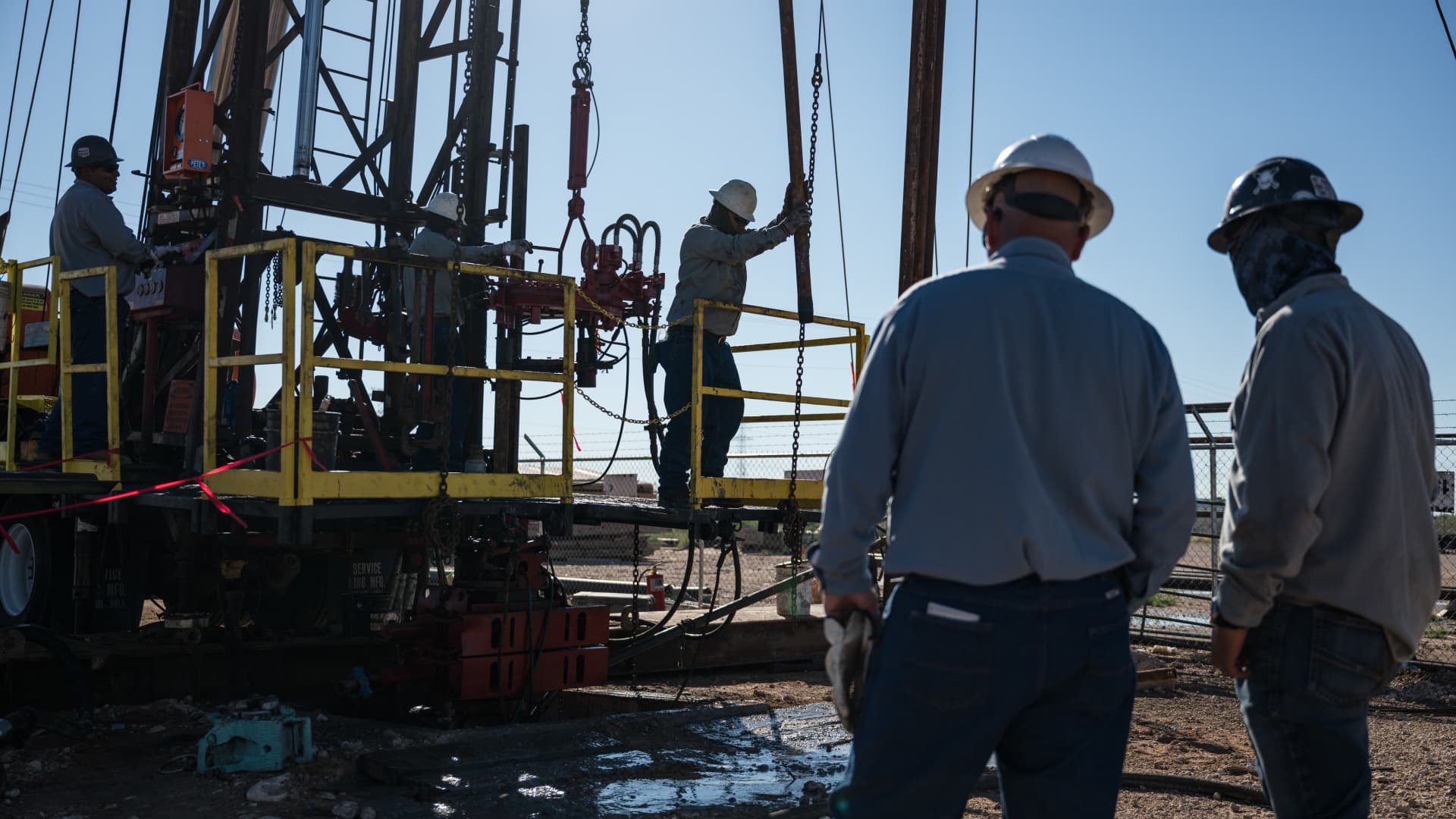
While the focus is on the Middle East, the ripple effects are felt domestically in the United States, particularly in energy-producing hubs like Midland, Texas. Operations, such as state-funded oil well plugging conducted by the Railroad Commission of Texas, highlight the ongoing efforts to manage domestic energy infrastructure. The fluctuation in global benchmarks like Brent and WTI directly influences the fiscal environment for these domestic producers. High oil prices historically incentivize increased production, but the current volatility creates uncertainty for long-term project planning and sector investment.
Future Trends and Market Outlook
The short-term outlook for oil markets will depend heavily on whether Pakistan’s mediation efforts can yield a tangible reduction in hostilities. If the diplomatic channel between the U.S. and Iran remains open, the market may see a cooling of the recent price surge. However, if the geopolitical situation continues to escalate or if the Strait of Hormuz remains compromised, the upward pressure on oil prices will likely persist. Traders will continue to monitor the intersection of diplomatic progress and physical supply constraints as the primary drivers of future market direction.