How the new US tariffs stack India against its competitors
Source Entity
Ravi Dutta Mishra
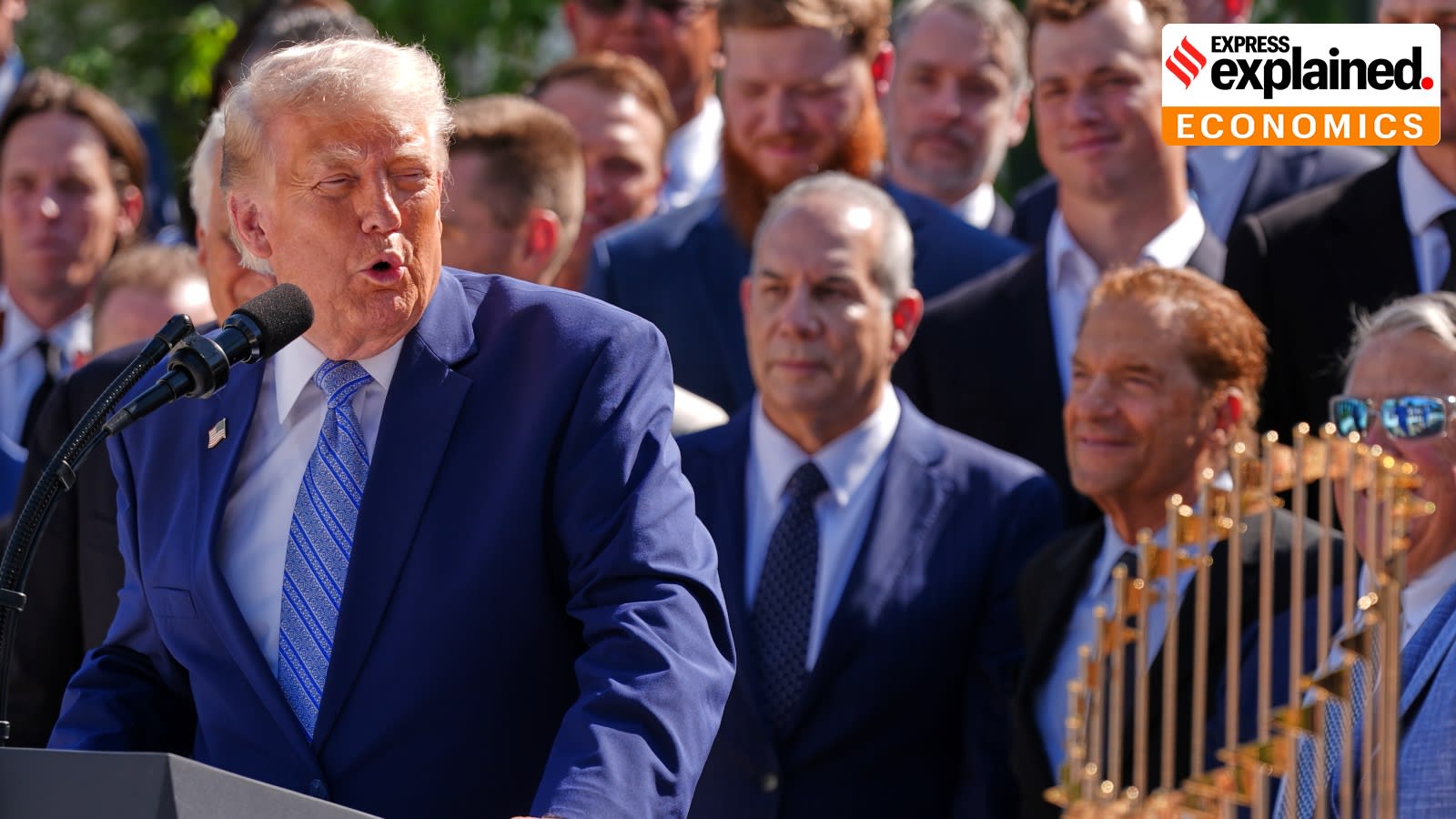
The US administration is leveraging Section 301 of the Trade Act of 1974 to impose new tariffs on 60 countries, citing concerns over forced labor. This strategic move primarily targets China while aiming to protect American workers from perceived unfair cost advantages.
The Resurgence of Section 301: A New Era of Trade Protectionism
The United States administration, under President Donald Trump, has launched a significant shift in its trade policy by initiating a new wave of tariffs under Section 301 of the US Trade Act of 1974. This move follows a period of legal instability, notably after the US Supreme Court previously deemed certain tariffs enacted under the International Emergency Economic Powers Act (IEEPA) illegal in February. By pivoting to the 1974 Trade Act, the administration is attempting to solidify its legal framework for aggressive trade enforcement.
The Justification: Addressing Forced Labor
The core rationale provided by the Office of the United States Trade Representative (USTR) centers on the allegation that 60 major trading partners have failed to adequately restrict the importation of goods manufactured through forced labor. The US government asserts that these practices create an artificial cost advantage for foreign exporters, effectively tilting the playing field against American manufacturers and workers who must adhere to higher labor standards and associated costs.
Strategic Targeting and the China Factor
While the scope of the tariffs is broad, encompassing 60 nations, experts view this as a calculated geopolitical maneuver. The primary objective is to force a global decoupling from China. By targeting countries linked to Chinese supply chains and manufacturing, the US is attempting to dismantle the reliance on Chinese production hubs, effectively using tariff pressure as a tool to reorganize global trade flows.
Economic Implications for India and Global Competitors
For nations like India, these tariffs present a complex landscape of risk and opportunity. While the tariffs aim to penalize unfair labor practices, they inherently affect any nation with significant exports to the US. India, as a major exporter, must now navigate a system where its supply chain transparency and labor standards are under intense scrutiny. The ability of Indian firms to prove compliance with these new mandates will determine whether they gain a competitive edge or face increased costs compared to peers.
Historical Context and Future Trends
This policy reflects a long-standing tension between globalized trade and domestic protectionism. The shift from IEEPA to Section 301 signifies an administration determined to bypass previous judicial roadblocks to achieve its economic agenda. Moving forward, we can expect a period of heightened trade friction, where international relations are increasingly dictated by domestic labor standards and the geopolitical necessity of reducing dependency on Chinese-dominated supply chains.
Conclusion
The implementation of these Section 301 tariffs marks a pivotal moment in international trade policy. By linking market access to labor compliance, the US is fundamentally changing the criteria for global competitiveness. As the administration continues to push these measures, the global economy will likely experience a significant restructuring, forcing countries to rapidly adapt their manufacturing and export protocols to survive in an increasingly protectionist American market.