World Court Prosecutor Karim Khan Sacked Over Sexual Misconduct Allegations
Source Entity
NDTV News Search Records Found 1000
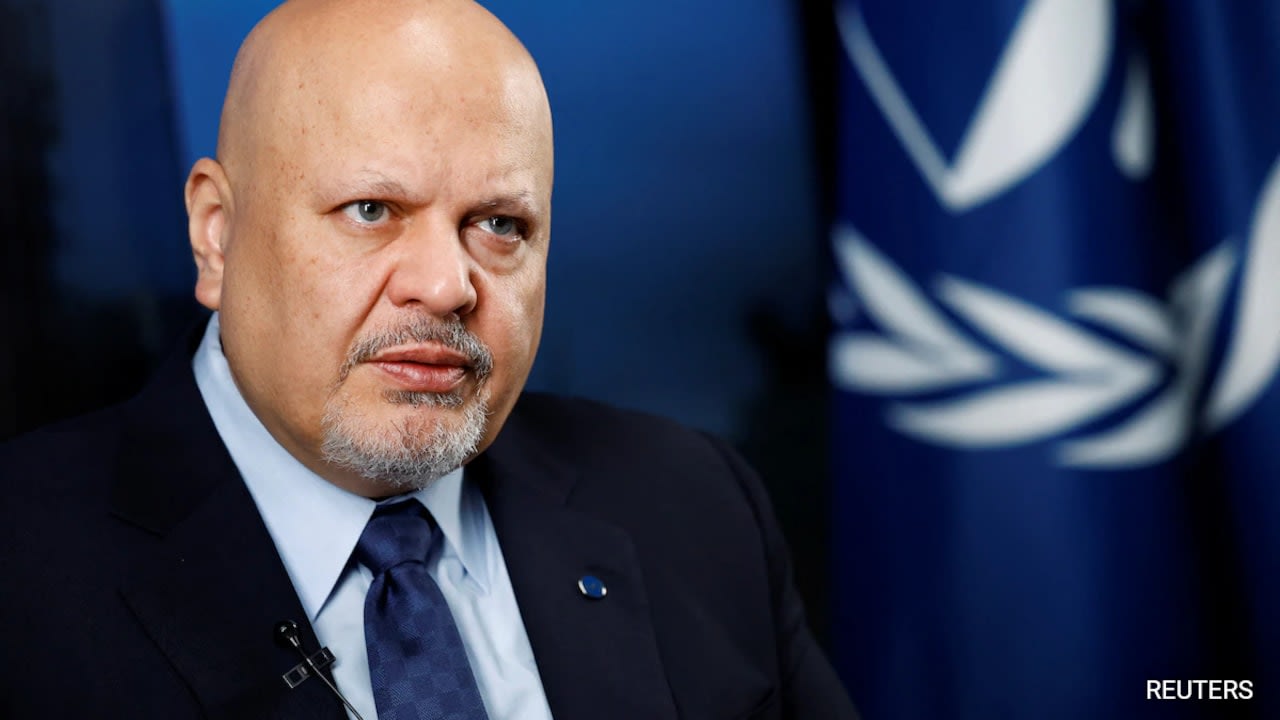
The International Criminal Court has voted to dismiss Chief Prosecutor Karim Khan following findings of serious misconduct involving an improper relationship with a junior staffer. Khan, who denies the allegations, plans to legally challenge the decision that ends his tenure prematurely.
The Ousting of ICC Prosecutor Karim Khan: A Crisis of Integrity
The International Criminal Court (ICC) has reached a historic and turbulent juncture following the formal dismissal of its chief prosecutor, Karim Khan. The decision, backed by 82 member states, marks the culmination of a two-year internal investigation that concluded Khan committed a "serious breach of duty and serious misconduct." This unprecedented removal of a high-ranking international official highlights the severe internal accountability mechanisms governing the court, which is tasked with prosecuting the world’s most heinous crimes.
The Nature of the Allegations and Findings
At the center of this controversy is an improper sexual relationship between the 56-year-old British barrister and a junior staff member. Beyond the relationship itself, the court's oversight body found that Khan attempted to obstruct the complainant from pursuing her grievances. These findings suggest a profound abuse of power, as the chief prosecutor is expected to uphold the highest standards of professional and ethical conduct while leading investigations into global atrocities.
A Career Defined by High-Stakes Legal Challenges
Elected in 2021 to a nine-year term, Karim Khan was initially viewed as a pivotal figure for the ICC. His tenure was meant to revitalize the prosecution division, which is responsible for holding individuals accountable for war crimes, genocide, and crimes against humanity. However, the shadow of these allegations has hung over the court since they first surfaced, severely undermining the institution's credibility and its perceived moral authority on the international stage.
Institutional Implications for the ICC
The removal of a chief prosecutor is a rare event that sends shockwaves through the international legal community. By voting to oust Khan, the member states have signaled that the ICC’s internal integrity is paramount, even at the cost of political stability within the prosecutor's office. This move aims to protect the court’s legitimacy, yet it also creates a vacuum in leadership that could delay active investigations and complicate ongoing legal proceedings currently under the ICC’s jurisdiction.
Legal Recourse and Future Uncertainties
Despite the decisive vote, the matter is far from resolved. Khan has consistently denied all allegations and, through his legal representation, has vowed to challenge the lawfulness and fairness of the removal process. As Khan explores available legal mechanisms to contest his dismissal, the ICC finds itself in a precarious position. The court must now navigate the legal fallout of this challenge while simultaneously attempting to maintain its operational continuity and public trust.
Conclusion: Rebuilding Credibility
The dismissal of Karim Khan serves as a stark reminder that international institutions are not immune to the same ethical failures as domestic bodies. Moving forward, the ICC will need to address the systemic vulnerabilities that allowed such misconduct to persist for years. The challenge for the court will be to restore its reputation as a fair and transparent arbiter of justice, ensuring that its future leadership is held to the rigorous ethical standards its mandate requires.
Multiple Citing Sources
Verification Required?