‘They’re getting more serious’: Trump says no decision yet on major Iran strikes
Source Entity
The Indian Express
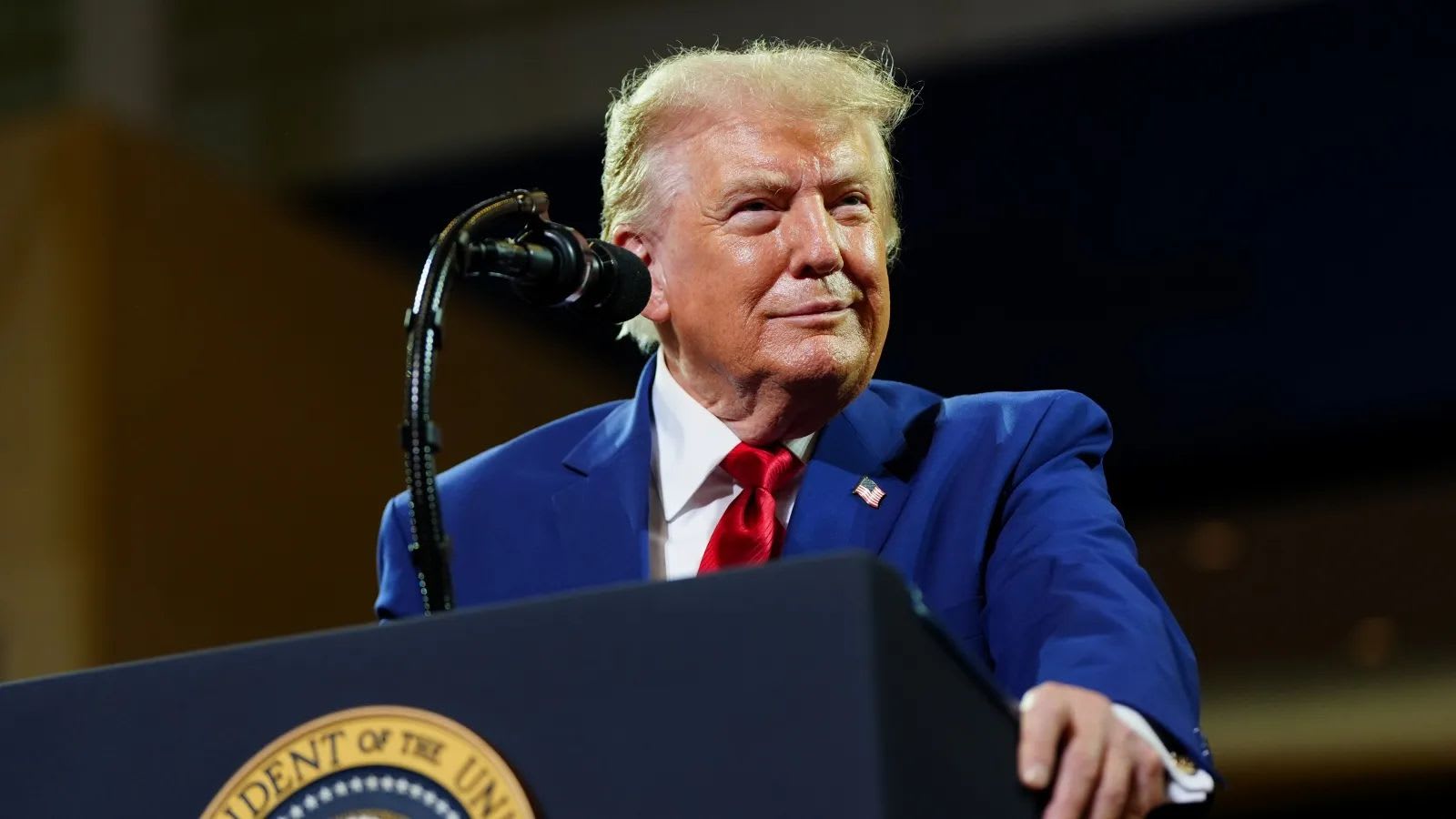
President Trump is weighing a potential large-scale military operation against Iran while simultaneously engaging in high-stakes diplomatic negotiations. The situation remains fluid as the administration balances the threat of 'massive' strikes with signals that Tehran is becoming more serious about finding a resolution.
Escalating Tensions in the Middle East
Recent statements from U.S. President Donald Trump have signaled a critical juncture in the ongoing conflict between the United States and Iran. Following a series of military engagements, including 13 consecutive nights of strikes by U.S. Central Command, the President has publicly weighed the possibility of a "massive attack" against Iranian targets. This rhetoric reflects a strategy of "maximum pressure," aimed at compelling Tehran to alter its regional posture after the conflict expanded into the Red Sea.
The Strategic Calculus of "Locked and Loaded"
The President’s assertion that the U.S. military is "locked and loaded" suggests a readiness to escalate beyond current operational parameters. By describing the potential for an operation "bigger than ever before," the administration is utilizing coercive diplomacy to signal that current levels of military pressure are insufficient. This approach is rooted in the belief that Iran has not yet "received enough pain" to force a strategic retreat or a significant change in its regional alliances and activities.
The Diplomatic Track Amidst Military Threats
Despite the aggressive posturing, the narrative shifted slightly as the President confirmed that he has not yet made a final decision on these large-scale strikes. In recent remarks from the Oval Office, Trump noted that Iranian officials appear to be taking ongoing talks "very seriously." This dual-track approach—maintaining the threat of overwhelming force while keeping a door open for negotiation—is a hallmark of the administration's transactional foreign policy, forcing adversaries to choose between economic and military ruin or a negotiated settlement.
Historical Context and Regional Implications
The expansion of the conflict into the Red Sea marks a significant evolution in the regional instability that has defined the Middle East for years. By labeling the United Kingdom an "accomplice" to American actions, Iran has signaled its intent to broaden the diplomatic fallout, potentially complicating the international response. This geopolitical friction underscores the fragility of regional stability, as the intersection of maritime security and direct military confrontation creates a high risk of miscalculation.
Future Trends and Potential Outcomes
Looking forward, the success of this strategy hinges on whether Tehran perceives the threat of a "massive attack" as an existential risk worth avoiding through compromise. If the "serious" tone of the current talks persists, a de-escalation could be possible. However, should negotiations stall, the administration’s stated readiness to strike suggests that the regional conflict could enter a significantly more volatile phase. The coming days will likely determine whether this period of brinkmanship results in a landmark agreement or a major escalation in regional warfare.
Multiple Citing Sources