UK PM picks three new Indian-origin MPs from 2024 intake to join front bench
Source Entity
NAOMI CANTON
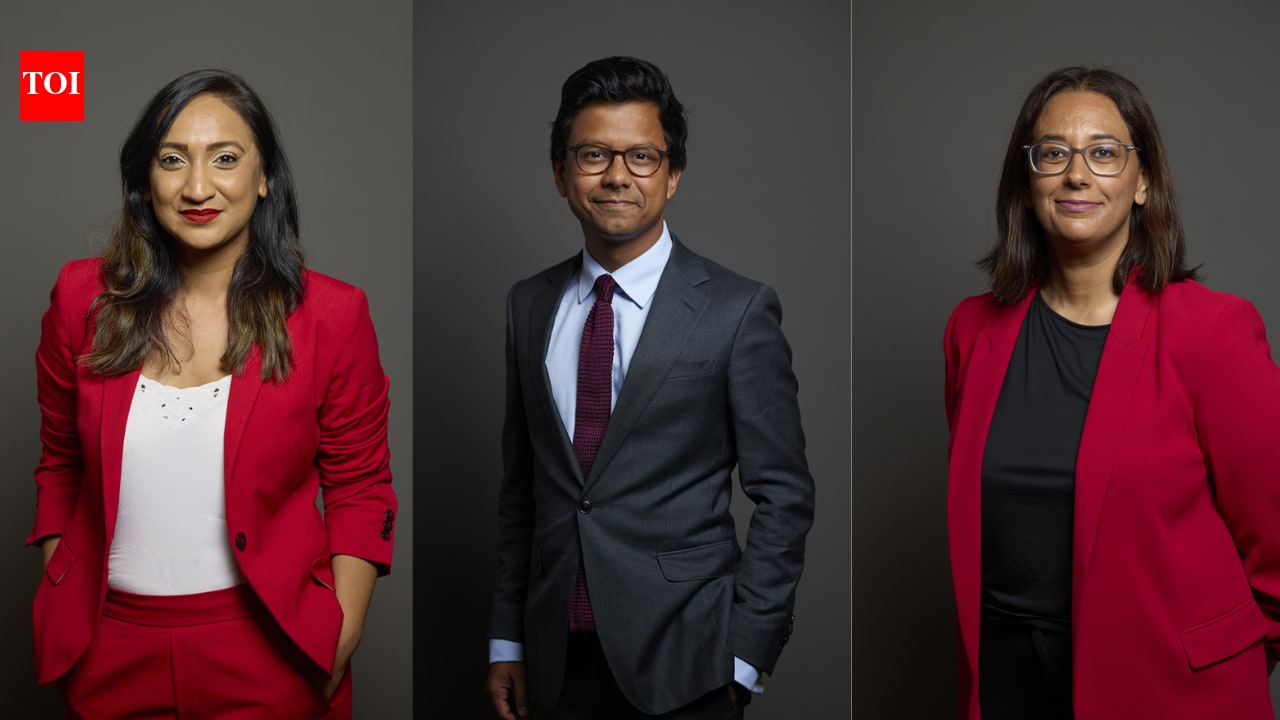
UK Prime Minister Andy Burnham has appointed three new Indian-origin Labour MPs from the 2024 intake to front-bench government roles. The appointments include Kanishka Narayan as AI minister, alongside Satvir Kaur and Harpreet Uppal, signaling a significant shift in political representation.
A New Era of Representation in the UK Parliament
The recent cabinet reshuffle by UK Prime Minister Andy Burnham marks a pivotal moment in British political history. By elevating three Indian-origin Members of Parliament—Kanishka Narayan, Satvir Kaur, and Harpreet Uppal—from the 2024 intake to front-bench positions, the government is signaling a deliberate move toward a more diverse and representative executive branch. These appointments reflect the evolving demographic landscape of the United Kingdom and the increasing influence of the British Indian community within the Labour Party.
The Strategic Appointment of Kanishka Narayan
Perhaps the most notable development is the appointment of 36-year-old Kanishka Narayan to the newly created role of AI Minister. This appointment is significant not only for its focus on a critical, emerging technological sector but also for placing a fresh, younger voice at the center of the government’s digital policy. By tasking a first-term MP with overseeing artificial intelligence, the Prime Minister is emphasizing innovation and a forward-looking approach to governance, moving away from traditional party hierarchies.
Empowering Female Leadership
The inclusion of Satvir Kaur (41) and Harpreet Uppal (43) on the front bench highlights a growing trend of female empowerment within the Labour Party. As Sikh MPs, their elevation serves to broaden the cultural and religious representation within the government’s inner circle. Their appointments, alongside the continued presence of established figures like Uma Kumaran in the Foreign Office, ensure that the diverse perspectives of the British Indian community are integrated into policy-making at the highest levels of the state.
Contextualizing Political Evolution
This reshuffle occurs against a backdrop of shifting political dynamics, where the presence of Persons of Indian Origin (PIO) in parliament has become increasingly normalized. While veteran MPs like Seema Malhotra and Preet Kaur Gill continue to play vital roles, the transition toward the 2024 intake suggests a generational shift. The party is clearly investing in new talent to ensure long-term stability and to maintain its electoral coalition, which has historically relied on strong support from minority communities.
Broader Implications for UK-India Relations
While these appointments are primarily focused on domestic governance, the increased representation of Indian-origin MPs in the UK government often carries symbolic weight in international relations. A cabinet that reflects the diversity of its citizenry can foster stronger cultural and diplomatic ties with global partners. As these ministers settle into their portfolios—ranging from foreign affairs to high-tech policy—the UK government will likely find itself better equipped to navigate a complex, multicultural global landscape.
Looking Toward the Future
The appointment of these three MPs is a clear indicator that the Labour government is prioritizing meritocracy and demographic representation as core pillars of its administration. As the UK faces multifaceted challenges, from technological disruption to economic restructuring, the success of these new front-benchers will be closely watched. Their performance will likely dictate the trajectory of future political appointments and determine how the Labour Party continues to evolve in its efforts to mirror the modern British electorate.