Japan exports post huge miss in September as growth slows to 16.7%
Source Entity
US Top News and Analysis
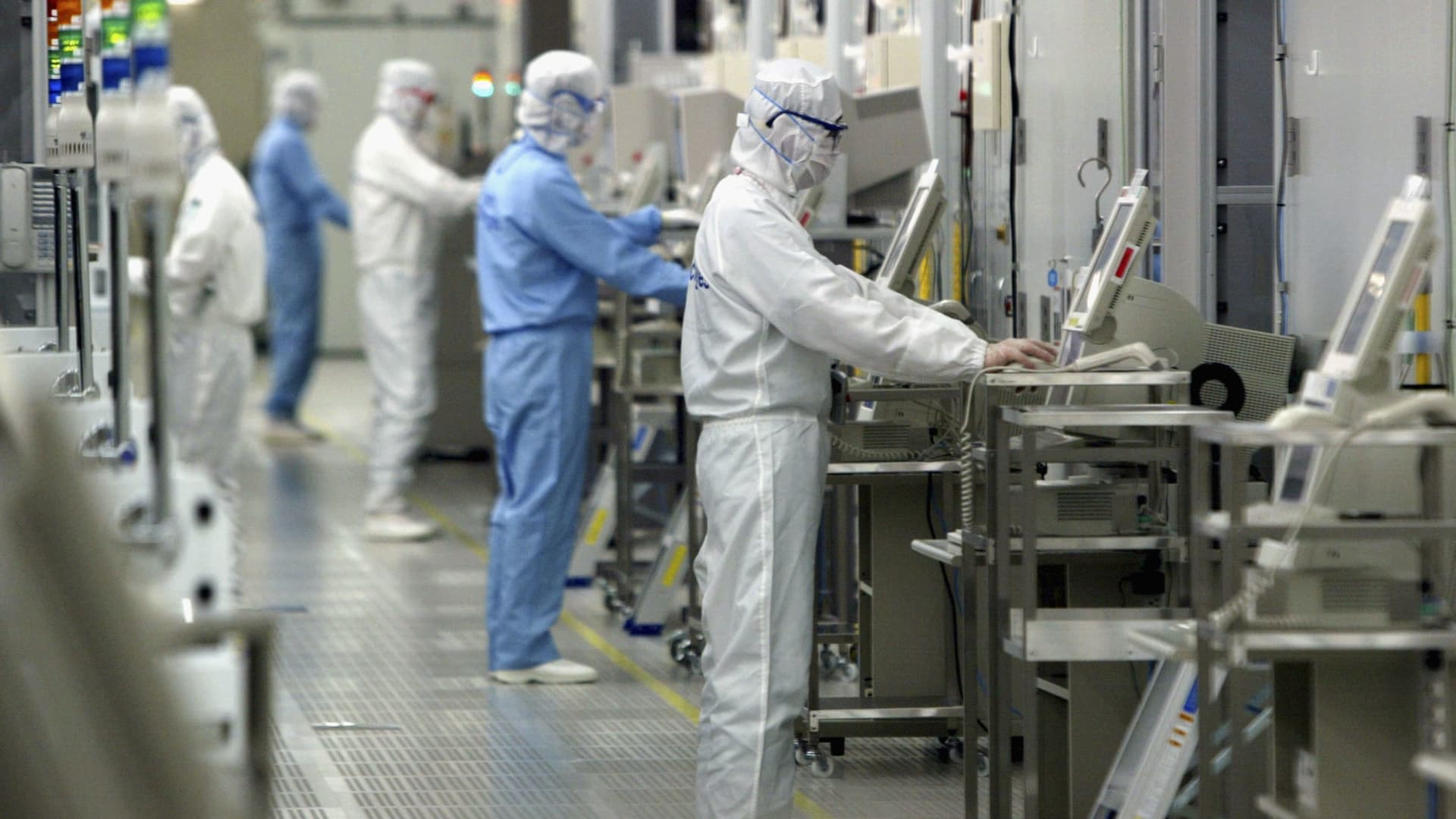
Japan's September export growth slowed to 16.7%, missing market expectations significantly. Despite this, the semiconductor sector remains a vital engine for the economy with a 49.4% surge in shipments.
Japan's Export Growth Faces Significant Headwinds
Japan’s economic landscape experienced a notable cooling in September, as export growth slowed to 16.7% year-on-year. This performance represents a substantial departure from the market expectations set by Reuters-polled analysts, who had projected a more robust 20.1% increase. This data marks the second consecutive month of decelerating momentum, following a peak in July that represented the highest export figures in nearly four years. The shortfall suggests that global demand pressures or supply chain bottlenecks are beginning to temper the post-pandemic recovery.
The Semiconductor Engine
Despite the broader slowdown, the semiconductor industry remains a critical pillar of Japan's export portfolio. Semiconductor shipments surged by 49.4% in value compared to the previous year, underscoring the enduring global demand for high-tech components. Japan has long held a competitive edge in this space; historical precedents, such as Renesas Technology Corp.’s pioneering work in 300mm wafer production in Ibaraki, highlight the nation's deep-rooted expertise in semiconductor manufacturing. This sector continues to act as a primary stabilizer against wider market volatility.
Machinery and Industrial Contributions
Beyond semiconductors, machinery exports have played a fundamental role in supporting Japan's trade balance. Semiconductor-related machinery, in particular, remains a focal point of industrial output, reflecting the symbiotic relationship between Japan's manufacturing sector and the global electronics supply chain. As technology companies globally invest in upgrading their fabrication capabilities, Japan's specialized machinery exports remain a vital output, though they are clearly subject to the cyclical nature of global industrial investment.
Import Dynamics and Trade Balance
Adding to the complexity of the economic report is the performance of Japan's imports, which grew by 18.9% in September. This figure also missed the consensus forecast of 19.6%. The simultaneous miss in both export and import growth paints a picture of a cautious trade environment. When import growth fails to meet expectations, it often signals a cooling in domestic industrial demand or a shift in the cost of raw materials necessary for Japanese manufacturing processes.
Broader Economic Implications
Looking ahead, the sustained slowdown in export growth poses challenges for Japan’s policymakers and central bank officials. Since Japan relies heavily on international trade to drive GDP expansion, the failure to meet ambitious forecasts for two consecutive months may lead to concerns regarding the sustainability of the current growth trajectory. Future trends will likely depend on whether global demand stabilizes or if ongoing geopolitical and logistical pressures continue to dampen the output of Japan's core manufacturing hubs.
Conclusion
In summary, while Japan's economy continues to benefit from the high-value semiconductor and machinery sectors, the recent data indicates a shift toward more moderate growth. The gap between analyst expectations and actual performance reflects a volatile global trade environment. Moving forward, observers will be watching to see if the manufacturing sector can maintain its high-tech output levels to offset broader macroeconomic headwinds.