These Japanese AI winners don’t make chips. They make toilets, glass fiber and seasoning
Source Entity
US Top News and Analysis
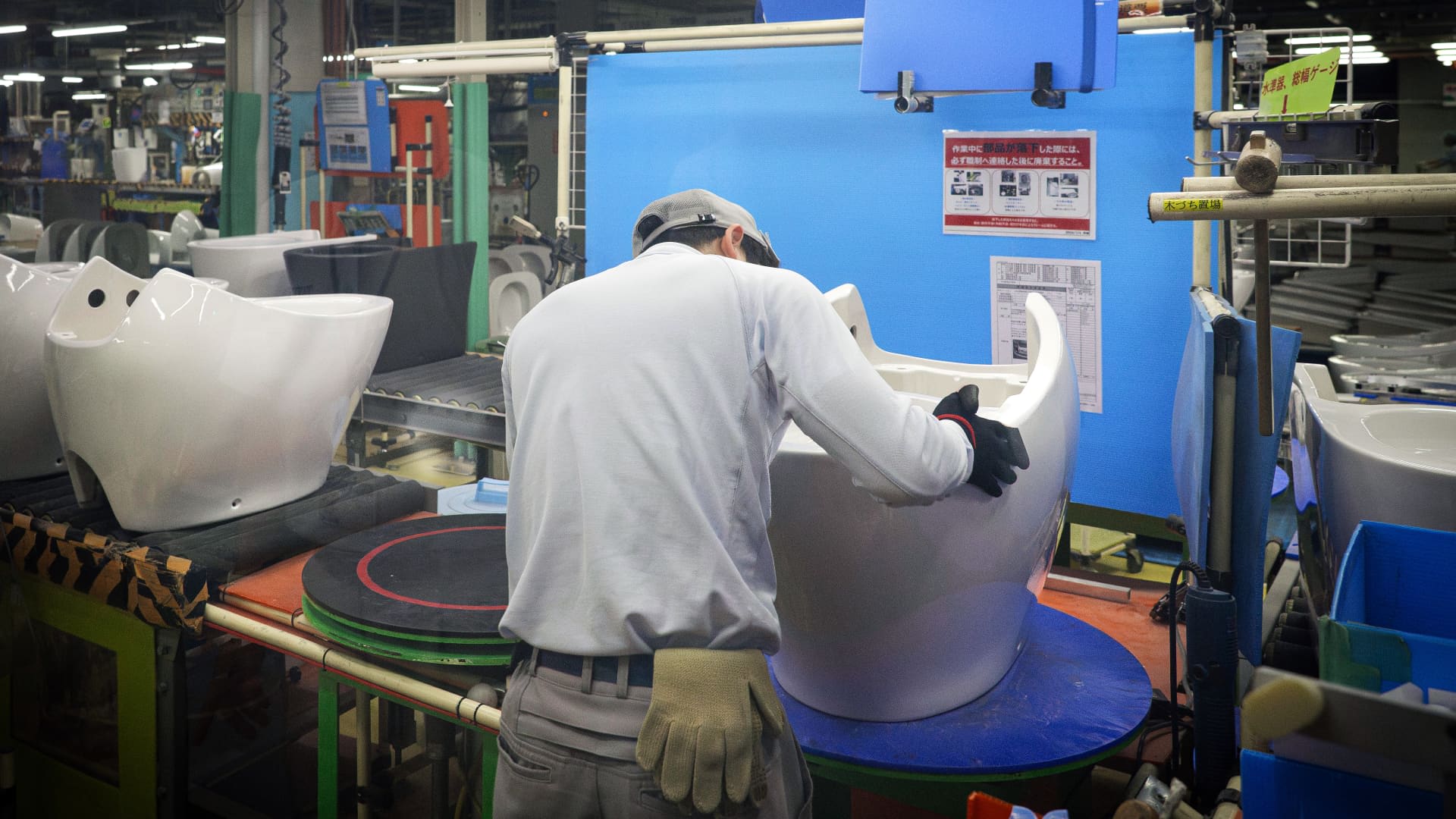
Unexpected Japanese companies like Toto, Nittobo, and Ajinomoto are thriving by pivoting core expertise into the AI supply chain. These firms are proving that the AI boom extends far beyond traditional chipmakers.
The Hidden Beneficiaries of the AI Revolution
While global markets have remained hyper-focused on the semiconductor industry and the direct producers of high-end AI chips, a quiet shift is occurring within the Japanese industrial sector. Companies traditionally known for consumer goods, textiles, and food science are emerging as critical, albeit unexpected, winners of the current artificial intelligence boom. This trend highlights the deep, multi-layered nature of the AI supply chain, where foundational infrastructure relies on highly specialized materials that go beyond the silicon wafer itself.
Beyond the Chip: Diversifying the Supply Chain
It is a common misconception that the AI infrastructure is limited to GPU manufacturers and data center operators. In reality, the manufacturing process for semiconductors requires a vast array of specialized equipment and materials. Firms like Toto, Nittobo, and Ajinomoto have capitalized on this by leveraging their legacy engineering capabilities. By applying their core competencies in materials science to the demanding requirements of chip production, these companies have effectively rebranded themselves as essential components of the modern tech ecosystem.
Toto and the Precision of Ceramics
Toto, a company globally synonymous with high-end bathroom fixtures, has seen its stock climb 78% this year. This growth is driven by their sophisticated application of ceramic technology. Toto produces ceramic electrostatic chucks, a critical component used in semiconductor manufacturing equipment to hold wafers securely during precision processing. This pivot demonstrates how mastery over traditional manufacturing—in this case, ceramic molding and durability—is directly transferable to the high-stakes world of semiconductor fabrication.
Nittobo and the Material Science of Connectivity
Nittobo, a manufacturer primarily known for textiles and glass fiber, has leveraged its expertise in specialized materials to see a 63% share gain. In the context of AI, glass fiber is not merely a structural material; it is a vital component in semiconductor package substrates. As AI chips become more powerful and complex, the substrates required to house these circuits must meet increasingly stringent thermal and electrical standards, a demand that Nittobo’s advanced glass fiber products are uniquely positioned to address.
Ajinomoto and the Chemistry of Integration
Perhaps the most surprising player is Ajinomoto, historically recognized as a leader in food seasonings like MSG. With a 61% share increase this year, the company is proving that its decades of experience in chemical engineering and amino acid research have practical applications in electronics. Their involvement in the supply chain underscores how the chemical industry is being forced to innovate to meet the needs of the semiconductor sector, proving that AI growth is a rising tide lifting ships across vastly different industrial categories.
Future Trends and Market Implications
Looking forward, this trend suggests that investors should broaden their scope when analyzing the 'AI trade.' The expansion of these companies into the semiconductor supply chain serves as a case study for industrial resilience. As AI continues to integrate into every facet of the global economy, the demand for specialized materials will only intensify. Future market winners will likely be those firms that can successfully adapt their legacy manufacturing processes to support the extreme precision and material purity required by the next generation of computing hardware.