America needs to stop getting shocked by Chinese AI
Source Entity
Robert Hart
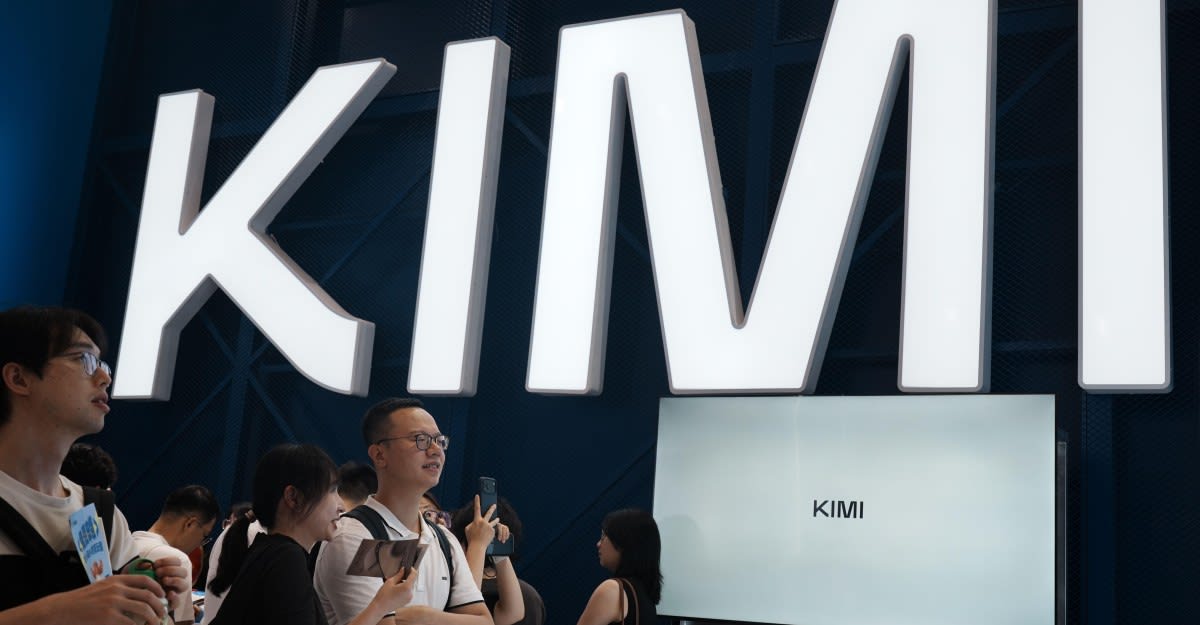
The U.S. and China are escalating a technological standoff as Chinese AI advancements challenge Silicon Valley's dominance. Treasury Secretary Scott Bessent has threatened sanctions over potential IP theft, while China considers retaliatory export controls.
The Rapid Rise of Chinese AI and the U.S. Response
The recent emergence of advanced Chinese artificial intelligence models, including those comparable to industry leaders like OpenAI and Anthropic, has sparked a significant shift in the global technological landscape. This development has sent shockwaves through financial markets, prompting concerns among investors regarding the necessity of continued, massive capital expenditure on U.S.-based AI infrastructure, such as data centers and specialized chips.
The Narrative of 'Surprise' and Market Volatility
Media outlets have frequently characterized these technological milestones as "surprises," suggesting that the U.S. tech ecosystem was unprepared for the pace of innovation emanating from Chinese firms. This perception of being "blindsided" has intensified the discourse surrounding the competitive gap between the two nations, with analysts drawing parallels to previous breakthroughs, such as the sudden rise of DeepSeek, which also caused significant market turbulence and re-evaluations of U.S. market dominance.
Regulatory Pressure and the Threat of Sanctions
In response to these developments, the U.S. administration has signaled a more aggressive regulatory posture. Treasury Secretary Scott Bessent has explicitly stated that the U.S. will investigate open-source models originating from China for evidence of intellectual property (IP) theft. This stance represents a critical escalation in the ongoing campaign to mitigate China's AI capabilities, with the administration asserting its authority to impose sanctions should evidence of IP misappropriation be confirmed.
The Geopolitical Implications of AI Supremacy
The tension is further exacerbated by the potential for retaliatory measures from Beijing. Reports indicate that China is contemplating its own set of export controls on AI-related technologies as a counter-maneuver to U.S. policies. This "tit-for-tat" dynamic underscores a shift from mere commercial competition to a broader geopolitical strategy where AI is viewed as a foundational element of national security and economic sovereignty.
Broader Economic and Technological Impacts
The focus on IP theft and export controls highlights the friction between the benefits of open-source AI development and the protective instincts of national governments. While the administration claims to support open-source innovation, the threat of sanctions introduces a layer of uncertainty that could stifle international collaboration. As firms like Moonshot AI gain traction with models like Kimi K3, the pressure on U.S. firms to maintain their technological lead will likely intensify, further fueling the global "arms race" narrative.
Future Trends in the US-China Tech Standoff
Moving forward, the AI sector is likely to remain a focal point of international friction. The interplay between market-driven innovation and state-led protectionism suggests that companies operating in this space will face an increasingly complex regulatory environment. Whether this competition leads to a bifurcated global AI ecosystem or a series of restrictive trade barriers remains a critical question for the future of global technology development.
Multiple Citing Sources