Jay Shah gets second term as ICC chairman, elected unopposed
Source Entity
The Indian Express
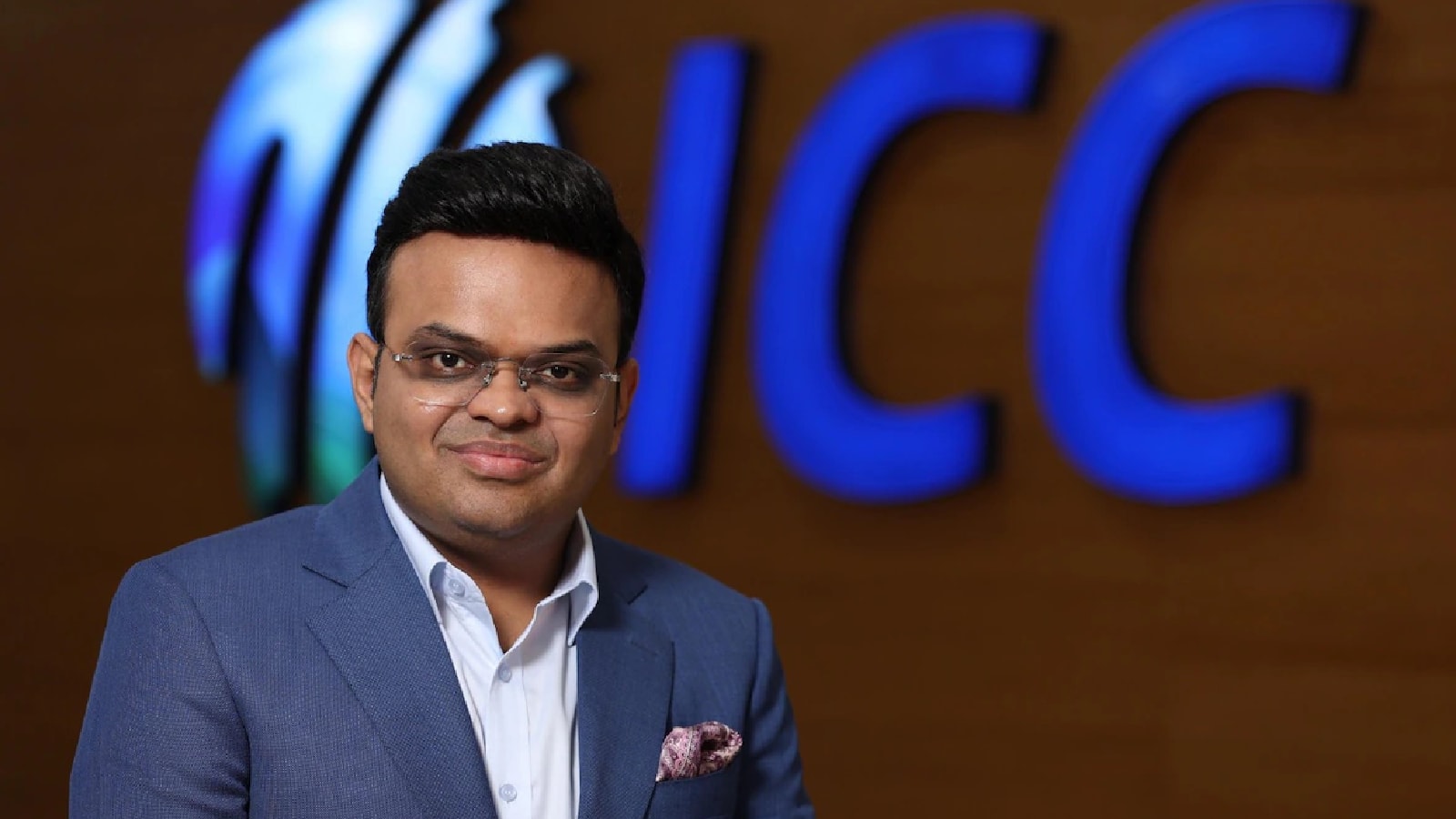
Jay Shah has been elected unopposed for a second term as ICC Chairman. His reappointment signals a period of strategic continuity as the sport prepares for its inclusion in the LA28 Olympic Games.
A New Era of Continuity: Jay Shah Re-elected as ICC Chair
The International Cricket Council (ICC) has officially confirmed that Jay Shah has been elected unopposed to serve a second term as Chairman. This decision, reached during board meetings in Bali, underscores a period of stability for the global governing body of cricket. The unanimous nature of his election reflects a high degree of consensus among the ICC directors regarding the current strategic direction of the sport under his leadership.
Strategic Priorities and Leadership
Jay Shah’s reappointment is seen by many analysts as a mandate to continue the work he initiated during his first term. Following his election, Shah expressed his gratitude for the trust placed in him by the board, emphasizing his commitment to advancing cricket’s interests globally. As the former BCCI secretary, Shah brings significant experience in managing the commercial and administrative complexities of the sport, which will be essential as the ICC navigates its next phase of development.
The Olympic Milestone
One of the most critical aspects of Shah’s second term is overseeing cricket's historic return to the Olympic Games at Los Angeles 2028 (LA28). This inclusion is widely viewed as a transformative moment for the sport, providing an unprecedented platform to introduce cricket to new international markets and audiences. The ICC is treating this as a top priority, ensuring that the infrastructure and promotional strategies are aligned to maximize the impact of this global stage.
Commercial Growth and Global Expansion
The ICC's strategic roadmap for the coming years focuses heavily on commercial development and growing fan engagement. By ensuring continuity in leadership, the board aims to maintain momentum in broadcast rights negotiations, sponsorship deals, and the expansion of cricket into non-traditional territories. These efforts are vital for the long-term sustainability of the sport, ensuring that member nations have the resources to foster talent and infrastructure at the grassroots level.
Navigating Future Challenges
While the sport is currently in a phase of growth, the upcoming term will likely present unique challenges, including balancing the interests of various member boards and adapting to the evolving landscape of T20 leagues versus traditional Test formats. Shah’s ability to build consensus, as evidenced by his unopposed election, will be tested as he works to harmonize these diverse interests to ensure a unified global vision.
Conclusion
In summary, Jay Shah’s second term as ICC Chairman marks a period of focused continuity. With the backing of the board and a clear set of priorities—most notably the LA28 Olympics and expanded commercial reach—the ICC is positioned to capitalize on the current popularity of cricket. His leadership will be pivotal in translating these strategic goals into tangible growth for the sport worldwide.