Half of SC candidates qualify JEE Advanced 2026 as women hit a 6-year high
Source Entity
The Indian Express
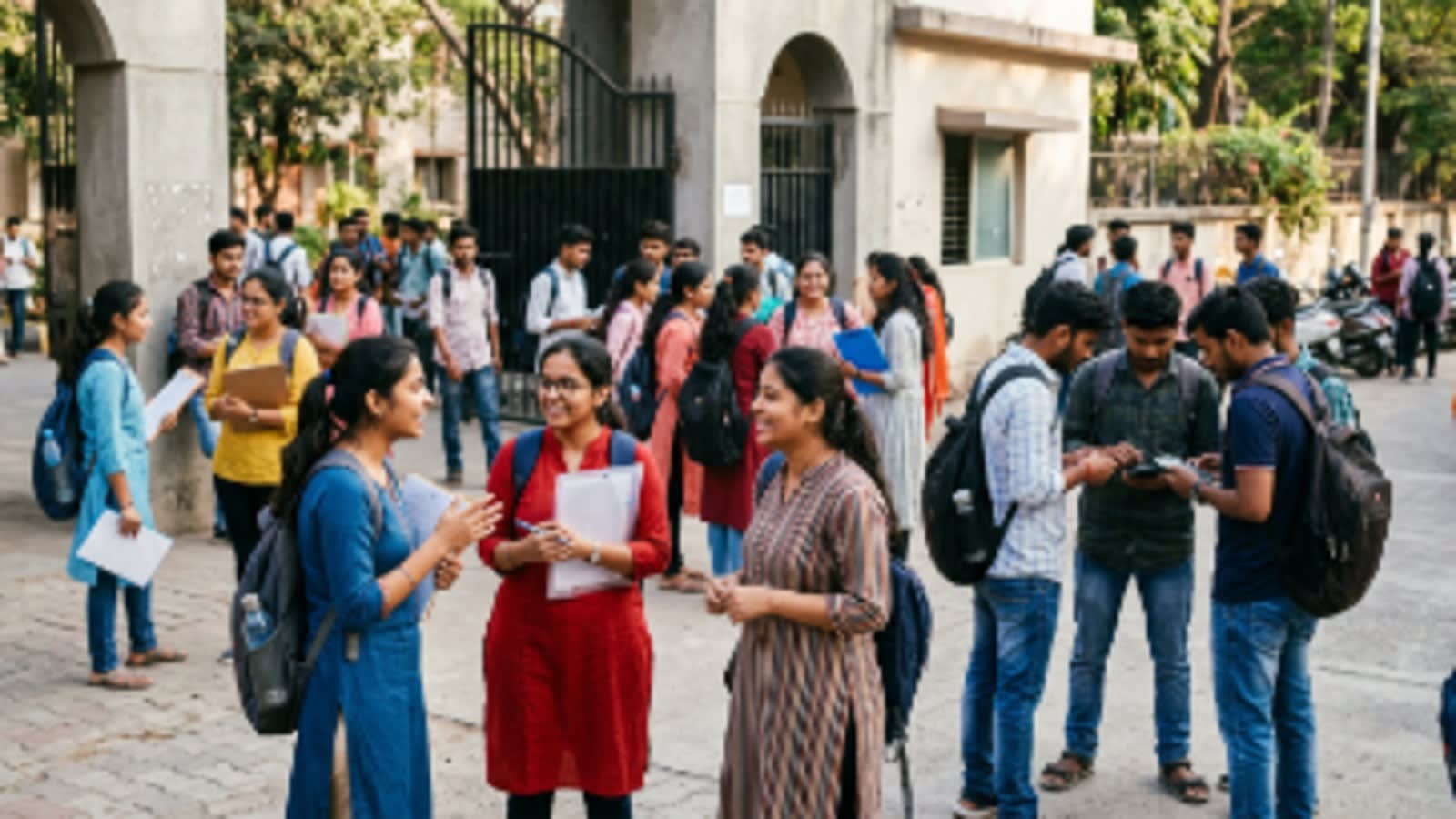
The JEE Advanced 2026 results reveal a significant rise in qualification rates for SC and ST candidates and a six-year high for female qualifiers. While overall qualifying numbers grew marginally, the composition of the successful pool shows a marked shift toward greater inclusivity.
Analysis of JEE Advanced 2026 Qualification Trends
A Shift in Demographic Representation
The results of the JEE Advanced 2026 examination, as detailed in the Joint Implementation Committee (JIC) report released by IIT Roorkee, highlight a transformative shift in the demographic profile of successful candidates. While the total number of qualifiers saw only a marginal increase—rising from 54,378 in 2025 to 56,880 in 2026—the composition of this pool underwent significant changes. The data indicates that the primary story of this year's examination is not the total volume of students, but rather the increased success rate among historically underrepresented groups.
Surge in SC and ST Qualification Rates
The most notable statistical jumps were observed in the Scheduled Caste (SC) and Scheduled Tribe (ST) categories. The SC qualification rate climbed to 50.16%, a sharp increase from 40.41% in 2025. Similarly, the ST qualification rate rose to 42.14%, up from 33.99% the previous year. In absolute numbers, this translates to an increase from 12,499 to 15,856 for SC candidates and from 5,008 to 6,379 for ST candidates. This growth represents a nearly 27% increase in qualifiers for both groups, signaling a potential success in outreach or preparatory initiatives aimed at these cohorts.
Record Highs for Women Candidates
Gender diversity in engineering education reached a new milestone in 2026, with women recording a 23.4% qualification rate, the highest in the six years covered by the JIC report. For the first time in this period, the number of women qualifying for the examination surpassed 10,000. Specifically, out of 40,562 female candidates who appeared for both papers, 10,107 qualified. Furthermore, the allocation of 3,814 female-only seats—comprising both standard and supernumerary slots—alongside 37 women securing spots in the gender-neutral pool, underscores the institutional commitment to fostering gender parity in STEM fields.
Contrasting Trends in General and OBC Categories
In contrast to the rising success rates of SC, ST, and female candidates, the qualification rates for other categories experienced a decline. The qualification rate for general category candidates fell by 3.2 percentage points to 39.8%, while the rate for Other Backward Classes-Non-Creamy Layer (OBC-NCL) candidates saw a minor decline of 0.7 percentage points, settling at 17.5%. These figures suggest that the competitive landscape of the JEE Advanced is becoming increasingly nuanced, with traditional qualification patterns shifting as new segments of the student population gain greater access to technical education.
Broader Implications and Future Trends
The data provided by IIT Roorkee suggests that current policy interventions, such as supernumerary seats and targeted support, are having a measurable impact on the composition of the IIT student body. The trend of rising SC and ST qualification rates, combined with the record-breaking performance of women, indicates a move toward a more representative demographic within India's premier engineering institutions. If these trends persist, future years may see a further diversification of the engineering talent pipeline, potentially reducing long-standing disparities in access to higher technical education.
Conclusion
The JEE Advanced 2026 results serve as a critical indicator of the changing landscape of Indian higher education. With significant gains in inclusivity and a record number of women qualifying, the JIC report provides a clear picture of the progress being made. As institutions continue to refine their admission and support mechanisms, the focus will likely remain on sustaining these gains while balancing the competitive nature of the examination across all demographic categories.