How military dogs are trained to brave Ladakh’s 14,000-ft heights
Source Entity
The Indian Express
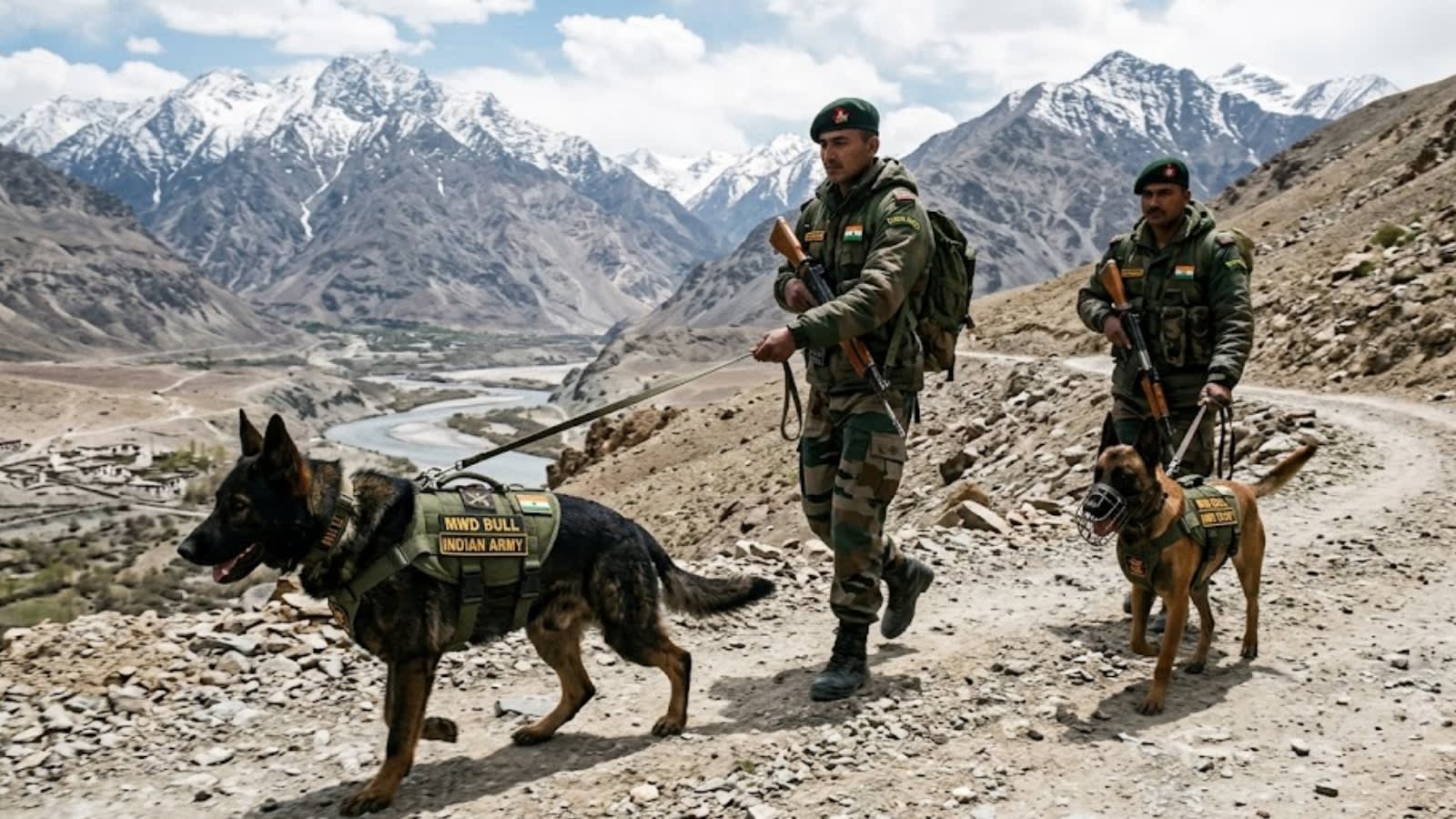
The Indian Army and ITBP are deploying indigenous dog breeds like Bakharwals and Tibetan Mastiffs for security along the Ladakh LAC. These canines undergo specialized training to withstand extreme altitudes of 14,000 feet and harsh Himalayan conditions.
Canine Guardians of the High Frontier
The deployment of specialized military dogs by the Indian Army and the Indo-Tibetan Border Police (ITBP) along the Line of Actual Control (LAC) in Ladakh marks a strategic integration of traditional local knowledge with modern security protocols. By utilizing indigenous breeds such as the Bakharwal and the Tibetan Mastiff, security forces are leveraging animals that have evolved over centuries to thrive in the harsh, high-altitude environment of the Himalayas. These breeds possess natural physiological advantages, including thick coats and robust frames, which are essential for survival in the freezing, thin-aired conditions found at 14,000 feet.
The Strategic Advantage of Indigenous Breeds
The choice of Bakharwal and Tibetan Mastiff dogs is not merely a matter of availability; it is a calculated tactical decision. These breeds are renowned for their protective instincts and territorial awareness, qualities that are indispensable for surveillance operations in the rugged terrain of Ladakh. Unlike imported breeds that may struggle with the rapid fluctuations in temperature and oxygen levels, these indigenous dogs are genetically predisposed to the Himalayan climate, reducing the logistical burden of maintenance and healthcare in remote border outposts.
Specialized Training for Extreme Environments
Operating at elevations of up to 14,000 feet presents unique challenges that even the most resilient animal cannot face without preparation. The military's training program for these canines focuses on acclimatization, ensuring that the dogs can endure the physiological stress caused by hypoxia and extreme cold. This specialized regimen involves a gradual introduction to high-altitude living, coupled with obedience and detection training tailored to the specific security threats present along the LAC. The dogs must remain alert and responsive to handlers despite the taxing environmental conditions.
Surveillance and Security Implications
The presence of these canines provides a significant force multiplier for infantry units stationed along the frontier. In terrain where electronic surveillance equipment might be hampered by weather or power constraints, the heightened senses of a trained dog offer an unparalleled level of security. Their ability to detect movement or intruders in low-visibility conditions acts as a vital layer of early warning, allowing security personnel to react swiftly to potential breaches in sensitive border sectors.
Future Trends in Border Management
As the geopolitical situation in Ladakh remains complex, the role of specialized animal units is likely to expand. The success of deploying indigenous breeds suggests a shift toward more sustainable, localized security solutions. Future military strategies may see an increased emphasis on integrating traditional ecological knowledge with high-tech surveillance, creating a hybrid defense model that is both resilient and cost-effective. By prioritizing the health and training of these canine sentinels, the Indian security apparatus ensures that its border defense remains robust regardless of the severe environmental constraints imposed by the high-altitude frontier.