Jensen Huang defends Nvidia's growing financial support for AI ecosystem, says 'the risk is low'
Source Entity
US Top News and Analysis
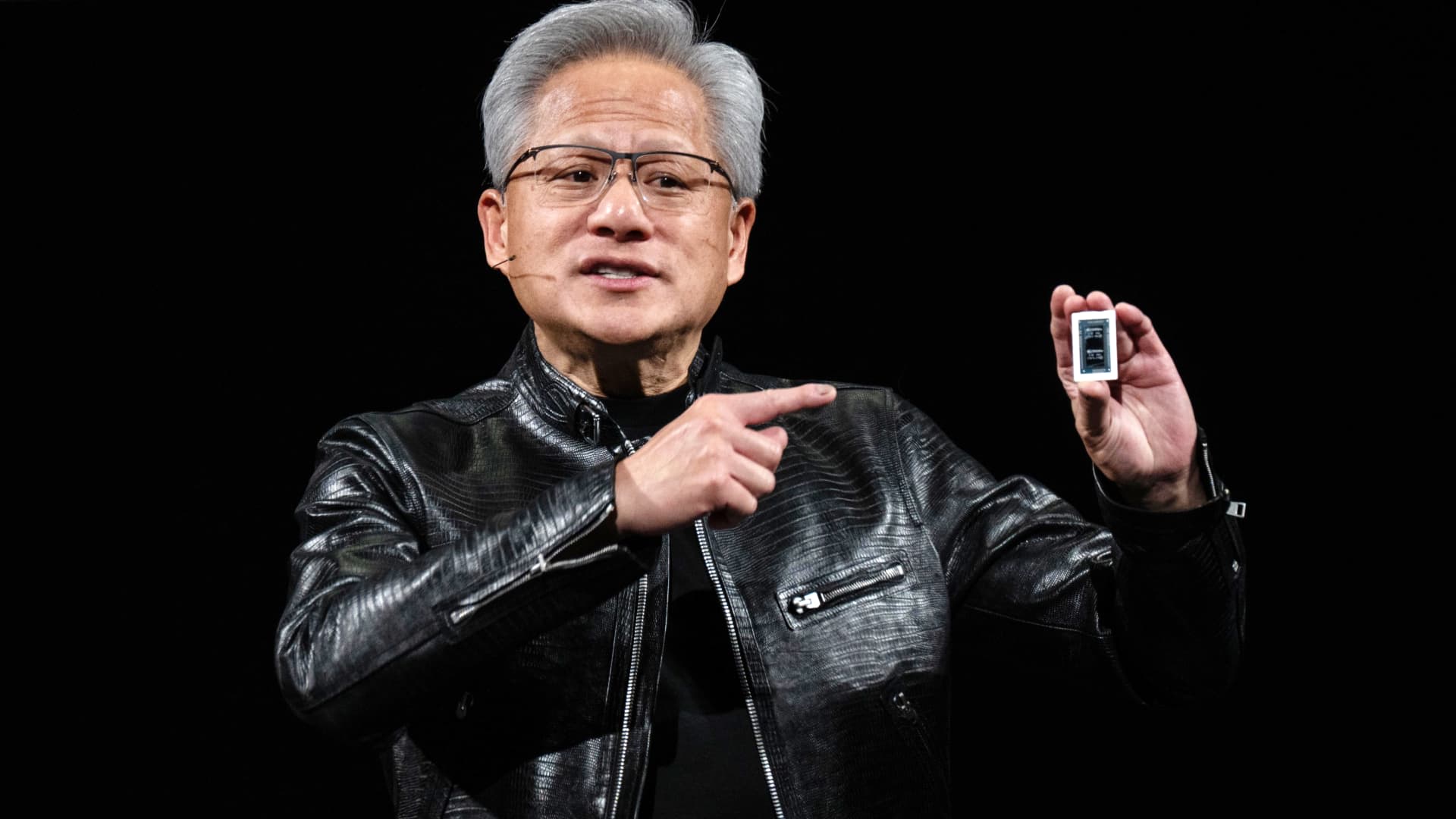
Nvidia CEO Jensen Huang defends the company's heavy financial investment in AI startups as a necessary step for capital-intensive innovation. Despite critics labeling this as circular financing, Nvidia maintains it is building a resilient ecosystem, while Huang simultaneously downplayed the significance of achieving AGI.
The Strategy Behind Nvidia's Massive AI Ecosystem Investment
Nvidia CEO Jensen Huang has recently found himself defending the company’s aggressive financial support of AI startups, a strategy that has drawn scrutiny from market observers. Critics have raised concerns that Nvidia is engaging in a form of 'circular financing,' where the company funds the very entities that then purchase its high-end AI chips. However, Huang rejects this characterization, framing the investment as a 'once in a generation' opportunity to catalyze a new industrial era.
The Capital-Intensive Reality of AI
Huang argues that the fundamental nature of artificial intelligence development has shifted the financial landscape for startups. Unlike software companies of the past that could scale with minimal hardware, modern AI ventures require tens of billions of dollars to build and deploy infrastructure. By providing the necessary capital, Nvidia is effectively ensuring that the ecosystem around its hardware remains viable, creating a market for its products that might otherwise struggle to find traditional funding due to the sheer cost of entry.
Building an Ecosystem Designed to Win
The central thesis of Nvidia’s defense is that they are building an ecosystem that is structurally designed to succeed. CFO Colette Kress has echoed these sentiments, suggesting that the scale of Nvidia's involvement is not a sign of financial engineering, but a strategic necessity. By backing key players, Nvidia ensures that the demand for its GPUs and specialized AI infrastructure remains robust, creating a self-reinforcing loop where the success of the startup translates into sustained demand for Nvidia’s technology.
Redefining the AGI Milestone
Amidst these financial discussions, Huang made a notable, albeit dismissive, claim regarding Artificial General Intelligence (AGI). During the company's recent earnings call, Huang stated that for many specific tasks, Nvidia has already achieved AGI. He quickly pivoted to characterize the term as 'senseless,' highlighting that there is no industry-wide consensus on what AGI actually entails. By downplaying the milestone, Huang shifts the focus from abstract, nebulous goals to the tangible, practical utility that Nvidia’s hardware provides today.
Future Trends and Market Implications
The debate over Nvidia's role in the AI market highlights a broader tension between rapid innovation and market concentration. As Nvidia continues to pour capital into the sector, the barrier to entry for competitors grows higher. While this consolidation provides stability for the current AI boom, it also raises questions about market independence. Moving forward, the success of Nvidia’s strategy will likely depend on whether these funded startups can achieve long-term profitability without continued intervention from their primary hardware supplier.
Conclusion
Ultimately, Nvidia’s dual approach of heavy capital investment and a focus on practical performance over industry buzzwords like AGI positions the company at the epicenter of the AI revolution. Whether this strategy constitutes a masterstroke in ecosystem development or a risky financial maneuver remains a point of contention. However, for now, Nvidia remains the primary gatekeeper for the infrastructure that defines the future of artificial intelligence.