Plug-in solar panels are coming to a shop near you - here's what to know
Source Entity
BBC News
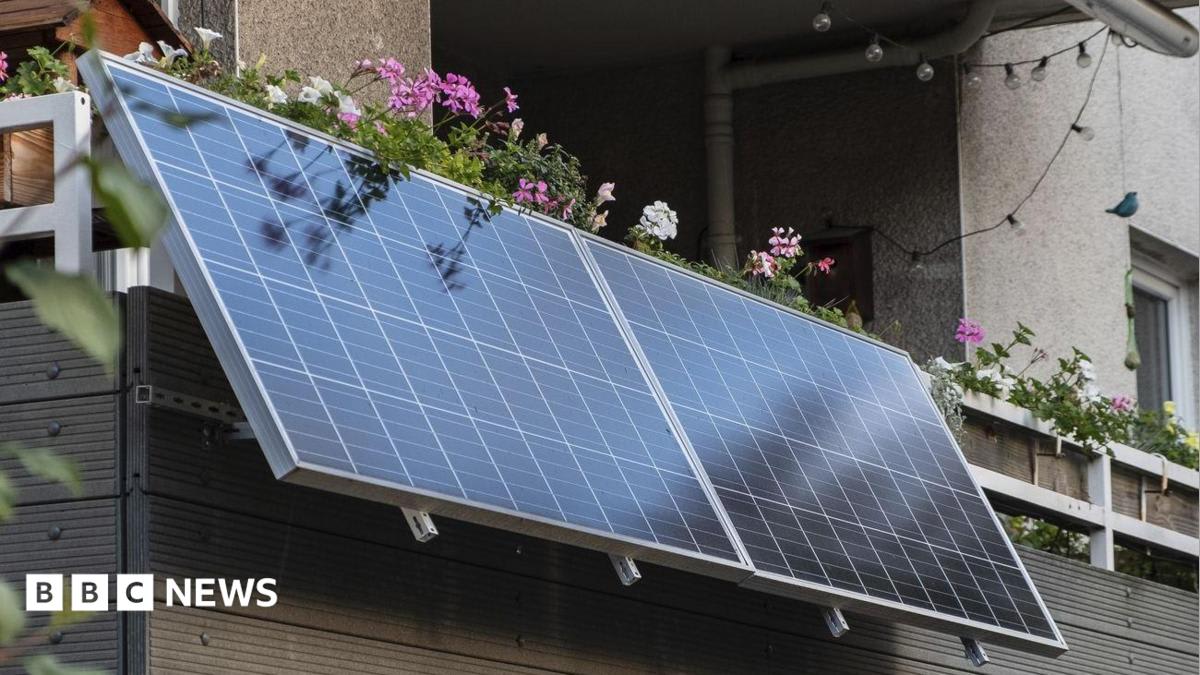
The UK government has legalized plug-in solar panels up to 800 watts, allowing residents to generate clean energy via standard wall sockets. This initiative aims to lower energy bills and reduce reliance on volatile foreign fuel sources.
The Democratization of Solar Energy in the UK
Starting August 27, 2026, the United Kingdom has ushered in a transformative era for residential energy production. By legalizing the sale and use of plug-in solar panels rated up to 800 watts, the government has effectively removed the high barriers to entry that previously defined the renewable sector. Unlike traditional roof-mounted systems that require significant capital investment and professional installation, these portable kits can be purchased at major retailers like Argos and integrated directly into a standard three-pin wall socket, making green energy an accessible reality for renters and apartment dwellers.
Economic Implications and Energy Security
The primary driver behind this regulatory shift is the urgent need to mitigate the impact of fluctuating energy costs. With global fuel prices remaining unstable due to ongoing geopolitical tensions, particularly in the Middle East, the UK government is prioritizing domestic energy resilience. By allowing households to generate up to 20 percent of their electricity needs through these plug-in systems, the Department for Energy Security and Net Zero estimates that average households could see annual savings of up to £110. This decentralization of power generation serves as a strategic buffer against external market volatility.
Overcoming Barriers for Renters and Flat Owners
Historically, the transition to solar power has been restricted to homeowners with suitable roof space and the financial means to undertake major renovations. This new policy fundamentally alters the landscape by catering to those in flats or homes with limited outdoor space, such as balconies. Because these units do not require a certified electrician for installation, they bypass the complex permitting and structural assessments that have long prevented tenants from participating in the green energy transition. This policy is a significant step toward inclusive climate action.
Prioritizing Safety in a DIY Market
While the convenience of plug-and-play technology is clear, the government and industry experts have emphasized the necessity of safety. The legal framework includes strict standards for the 800-watt kits to ensure they do not overload residential circuits or pose fire hazards. Experts strongly advise that consumers have their home wiring inspected by a professional before deploying these systems to ensure compatibility and safety. This prudent approach balances the desire for rapid adoption with the essential requirement of domestic electrical security.
Future Trends and Sustainable Growth
The introduction of these devices signals a broader trend toward micro-generation. As retailers begin stocking these products, the normalization of residential solar hardware is expected to drive down costs further through economies of scale. By empowering individual households to contribute to the national grid's sustainability goals, the UK is positioning itself as a leader in consumer-led energy innovation. This shift not only supports the nation's Net Zero targets but also fosters a culture of energy independence that will likely influence future energy policy across Europe and beyond.