Amid Nvidia Row, India Joins US Push To Secure AI Supply Chains From China: Report
Source Entity
NDTV News Search Records Found 1000
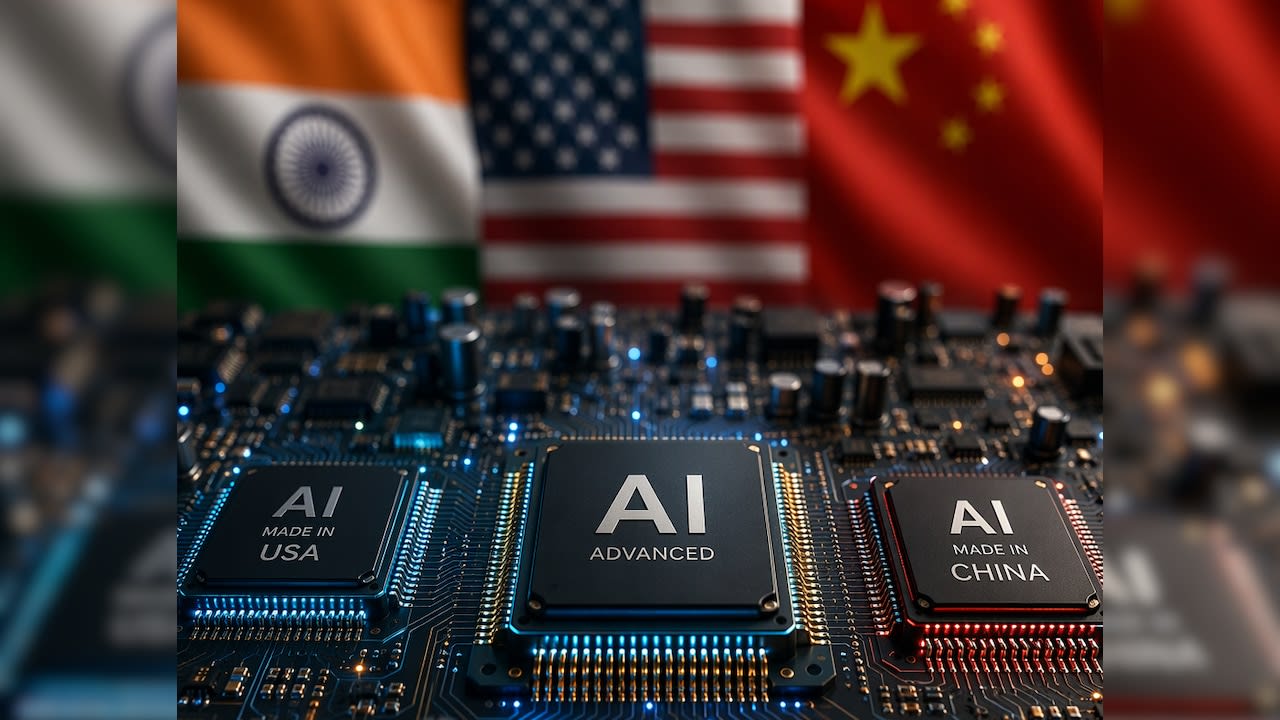
Nvidia is facing a period of profound uncertainty following the resignation of long-time CEO Jensen Huang. Industry experts, including Elon Musk, warn that the company's reliance on Huang's personal relationships threatens its future stability and critical supply chain agreements.
The Departure of an Architect: Nvidia’s Leadership Crisis
The technology industry is reeling following the resignation of Jensen Huang, the co-founder who served as the face and operational engine of Nvidia since its inception in 1993. For over three decades, the identity of the company has been inextricably linked to Huang; as industry observers often note, "Jensen is Nvidia, and Nvidia is Jensen." His departure marks the end of an era that saw the firm transition from a niche graphics card manufacturer into the foundational pillar of the modern global AI ecosystem.
The Security Shadow and Strategic Vulnerability
Adding a layer of geopolitical complexity to this leadership transition, reports surfaced on October 29th suggesting that Huang had become the target of a Chinese spy plot. Given Nvidia's central role in the United States' artificial intelligence infrastructure, any potential compromise of its CEO by foreign intelligence represents a profound national security concern. This vulnerability highlights how the personal security of tech leaders is now synonymous with the stability of the entire Western AI supply chain.
The 'Handshake' Economy and Supply Chain Risk
Elon Musk has emerged as a vocal critic of the stability following Huang’s exit, specifically warning that Nvidia faces the loss of "critical" deals. Musk argues that the company’s supply chain is not merely a product of formal contracts, but rather a series of "handshakes" built on deep, decades-long personal trust. Many of Nvidia's most important semiconductor manufacturing agreements in Asia were secured through Huang’s individual credibility and long-term commitments rather than rigid legal frameworks.
Implications for Future Partnerships
Without Huang at the helm to maintain these fragile, relationship-based agreements, Nvidia faces an immediate threat to its production capacity. The transition to new leadership poses a significant risk: if these partners view the "handshake" agreements as tied solely to the former CEO, the firm may struggle to renegotiate or uphold the terms that allowed it to dominate the AI hardware market. This transition period serves as a case study in the dangers of "key person risk" within high-stakes corporate structures.
Assessing the Long-Term Outlook
The broader implication of this crisis is a potential re-evaluation of how Silicon Valley giants conduct business. As companies grow to become essential nodes in global infrastructure, the reliance on a single charismatic leader—while effective for rapid growth—creates a systemic "Achilles' heel." Whether Nvidia can decouple its operational success from Huang’s personal brand will determine its future trajectory as a leader in the global chip market.
Conclusion
In summary, the departure of Jensen Huang is not merely a change in management; it is a structural shock to the global AI supply chain. With the dual pressures of alleged foreign espionage threats and the potential dissolution of trust-based supplier relationships, Nvidia stands at a precarious crossroads. Investors and industry partners alike are now watching to see if the company can evolve beyond its founder-centric model or if it will suffer a lasting decline.
Multiple Citing Sources
Verification Required?