Jerome Powell still has one vote on whether rates go up — the same as Kevin Warsh
Source Entity
Charlie Garcia
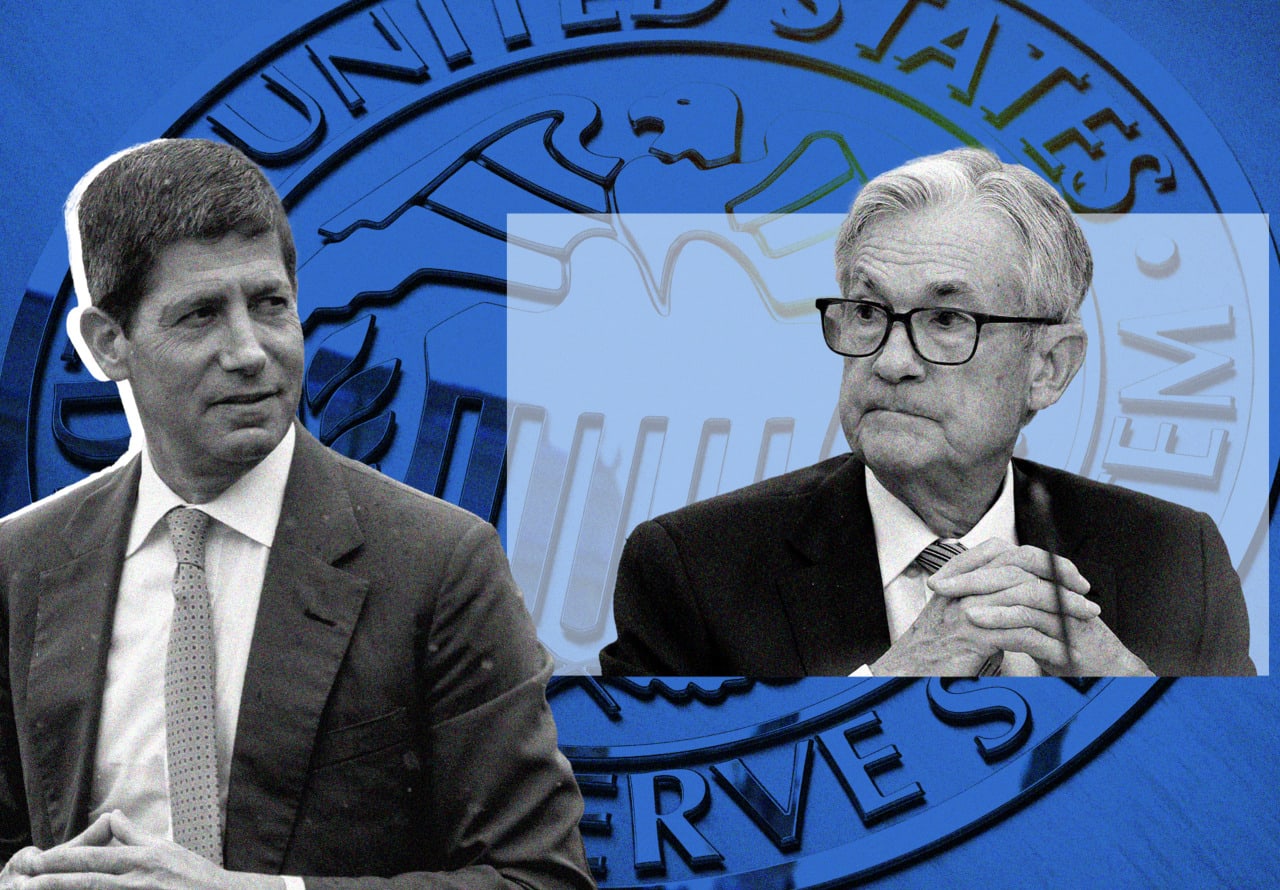
Despite no longer serving as Federal Reserve Chairman, Jerome Powell retains his voting power on interest rate policy. This status aligns his influence with other members of the Federal Open Market Committee, such as Kevin Warsh.
The Structural Reality of Fed Governance
At the heart of the Federal Reserve’s decision-making process lies the Federal Open Market Committee (FOMC), a body designed to distribute power and ensure that monetary policy is not the sole prerogative of a single individual. While the position of Fed Chair is highly visible and influential in setting the agenda, the fundamental mechanism for adjusting interest rates relies on a collective voting system. The recent clarification regarding Jerome Powell’s status—confirming that he retains a vote on rate changes despite no longer serving as Chair—underscores the institutional design that prioritizes committee consensus over autocratic control.
The Mechanics of Equal Voting Power
In the context of the FOMC, every member—whether they are a Governor or a regional Bank President—holds a singular vote. This structure exists to prevent the concentration of power and to incorporate diverse economic perspectives from across the United States. When the context highlights that Powell holds the same voting power as Kevin Warsh, it reinforces the principle that the internal hierarchy of the Fed does not translate into a weighted voting system. Once a member is seated at the table, their influence on the final decision is functionally equal to their peers.
Institutional Stability and Continuity
This distribution of power serves as a critical safeguard for the U.S. economy. By ensuring that former Chairs or other high-ranking officials still participate as equals, the Federal Reserve maintains a level of continuity and institutional memory. This prevents radical shifts in policy that might occur if the voting weight were tied strictly to current leadership titles. The fact that Powell remains a voting participant ensures that his experience and historical perspective on previous economic cycles remain an active part of the committee's deliberations.
Implications for Monetary Policy
For market participants and analysts, understanding that voting power is distributed equally is essential for predicting policy outcomes. The FOMC does not function as a top-down directive; rather, it functions as a deliberative body where each participant must weigh the economic data—such as inflation metrics and employment reports—before casting their vote. Because every vote carries equal weight, the consensus-building process is often more complex than it appears to the public, as the Chair must often persuade the other voting members to align with a specific policy path.
Future Trends in Fed Governance
Looking forward, the structure of the FOMC is likely to remain a cornerstone of American economic stability. As the Fed continues to navigate complex challenges, the reliance on a committee-based voting system will continue to be a hedge against political volatility. The ongoing participation of members like Powell, regardless of their specific leadership tenure, ensures that the committee remains anchored in a collective expertise that transcends individual roles. This organizational resilience is what allows the Federal Reserve to maintain its credibility and influence over global financial markets.
Verification Required?