Markets see Warsh endorsing a rate hike in September. Not everyone is convinced
Source Entity
US Top News and Analysis
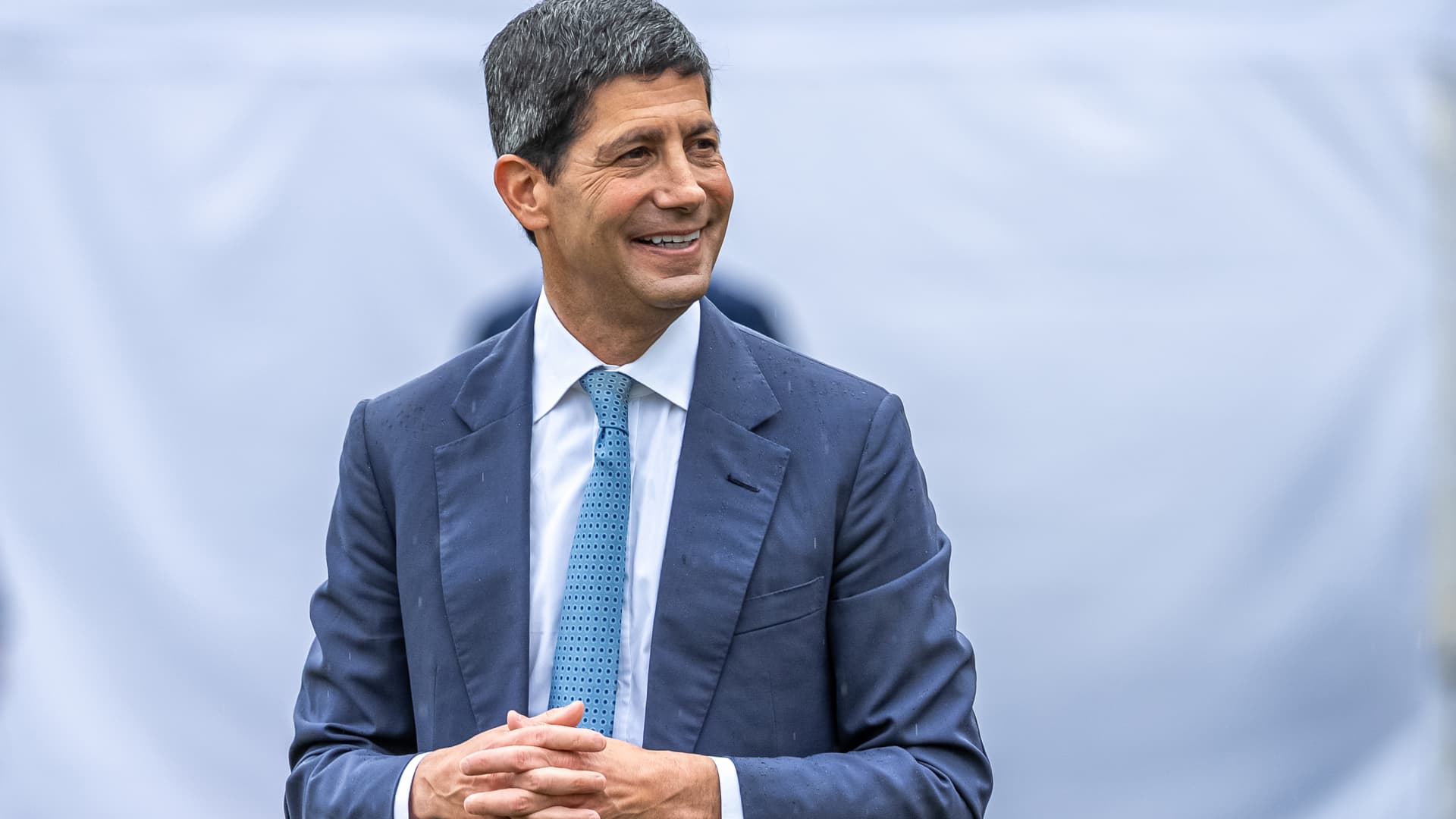
Federal Reserve Chairman Kevin Warsh has signaled a potential interest rate hike for September, shifting market expectations significantly. Despite this, analysts remain cautious as economic conditions present a cluttered path toward immediate tightening.
The Warsh Effect: Markets React to Hawkish Signals
Federal Reserve Chairman Kevin Warsh has ignited a fresh wave of speculation regarding the trajectory of U.S. monetary policy following his keynote address at the Kansas City Federal Reserve’s Jackson Hole Economic Policy Symposium. His remarks, carefully curated to address mounting inflationary pressures, have successfully recalibrated market expectations, which had previously discounted the possibility of a rate hike until the final quarter of the year. The sudden shift in sentiment underscores the immense influence wielded by the Fed Chair’s rhetoric in guiding global financial markets.
The Shift in Market Sentiment
Prior to the symposium in Wyoming, the prevailing market consensus suggested that the Federal Reserve would maintain a dovish stance, with little expectation of policy tightening before December. However, Warsh’s explicit focus on inflation has forced investors to reconsider this timeline, with many now pricing in a potential rate increase as early as September. This rapid pivot demonstrates the sensitivity of current market participants to even subtle nuances in central bank communication, particularly when such communication suggests a departure from the "wait-and-see" approach that has characterized recent months.
A Cluttered Path to Tightening
Despite the immediate market reaction, the road to a September rate hike remains fraught with complexity. While Warsh has signaled a willingness to act, the economic landscape remains nuanced, with several factors likely to deter a premature tightening of policy. Policy makers are faced with the delicate task of balancing the need to curb inflation against the risk of stifling ongoing economic growth. The "cluttered" nature of this path suggests that the Federal Reserve will require more conclusive data before committing to a definitive course of action.
The Role of Jackson Hole
Historically, the Jackson Hole symposium has served as a critical venue for central bankers to signal major policy shifts. By utilizing this platform to communicate his stance, Warsh has effectively set the agenda for the upcoming Federal Open Market Committee (FOMC) meetings. The symposium serves not just as an academic gathering, but as a strategic tool for the Fed to manage market expectations, ensuring that when policy changes do occur, they are anticipated rather than disruptive.
Future Implications and Policy Uncertainty
As the Federal Reserve approaches the September decision window, the debate among policymakers will likely intensify. While Warsh has clearly signaled a hawkish intent, the success of this move will depend on whether his colleagues share his urgency. The current environment is characterized by a high degree of uncertainty, where data points regarding employment and consumer price indices will be scrutinized with heightened intensity. Market participants should prepare for continued volatility as the Fed navigates these competing economic pressures.
Conclusion
In summary, Kevin Warsh has successfully placed a September rate hike firmly on the table, challenging the previous market complacency. However, the transition from signaling to actual policy implementation remains an open question. Investors and analysts alike remain divided, recognizing that while the intent is clear, the economic justification must be robust enough to overcome the inherent risks of tightening too quickly in an uncertain global economy.