Shein shares fall up to 10% after long-awaited trading debut
Source Entity
Nora Redmond
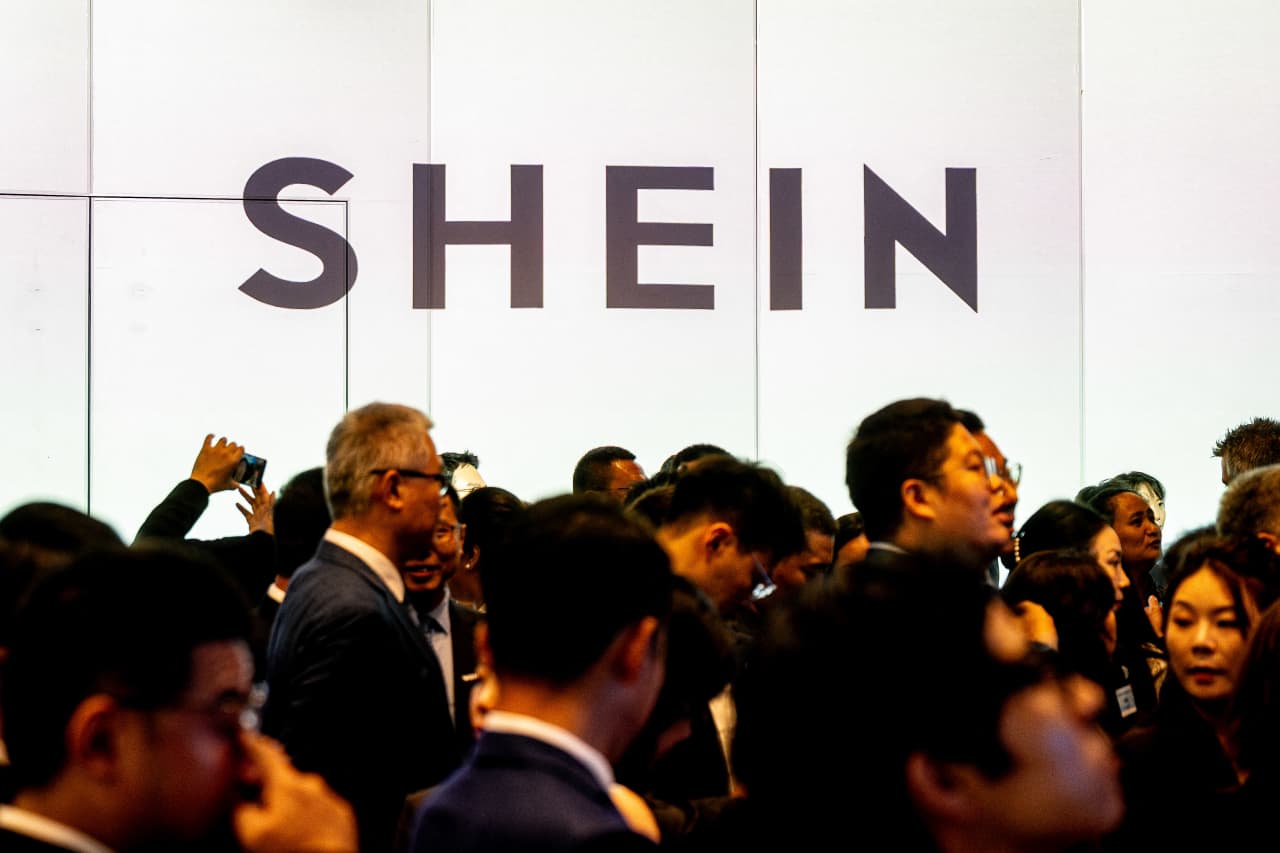
Fast-fashion giant Shein saw its shares drop up to 10% during its Hong Kong market debut. The IPO raised $1.74 billion, reflecting a sharp valuation decline to $26.5 billion from its 2022 peak of $100 billion.
Shein’s Tepid Market Debut: A Valuation Reality Check
Fast-fashion giant Shein officially commenced trading in Hong Kong on Tuesday, marking the culmination of a years-long quest to transition from a private entity to a publicly listed company. However, the debut was far from the triumphant milestone the company likely envisioned. Shares tumbled by as much as 10% during the initial session, underscoring significant investor skepticism regarding the retailer's long-term growth trajectory and current market positioning.
A Dramatic Contraction in Valuation
The most striking element of this listing is the massive gap between Shein’s former private market valuation and its current public reality. In 2022, the company was estimated to be worth nearly $100 billion. Today, following an IPO that raised 13.6 billion Hong Kong dollars ($1.74 billion) at an offer price of HK$48.56 per share, the company’s valuation has cratered to approximately $26.5 billion. This nearly 75% drop highlights a profound shift in market sentiment toward ultra-fast-fashion models.
The Long Road to Hong Kong
Shein’s path to the Hong Kong Stock Exchange was anything but straightforward. The company spent years attempting to secure a listing in the United States and the United Kingdom, both of which faced significant hurdles. These attempts were largely frustrated by intense scrutiny regarding the company’s labor practices, supply chain transparency, and environmental impact. The eventual pivot to Hong Kong reflects a strategic move to bypass Western regulatory friction, though the market response indicates that these ethical concerns remain a persistent drag on investor confidence.
Competitive Pressures and Market Headwinds
Beyond labor and ethical critiques, Shein faces a cooling appetite for its business model due to heightened global competition and geopolitical trade tensions. The company’s rise was predicated on a vast network of Chinese factories capable of churning out ultra-low-priced trends at lightning speed—a model that has become increasingly scrutinized. As competitors adapt and international trade policies tighten, maintaining the growth rates that fueled its meteoric rise has become significantly more difficult.
Future Implications for Fast Fashion
The lukewarm reception of Shein’s IPO serves as a bellwether for the fast-fashion industry. Investors are clearly signaling that the unchecked growth of the 'ultra-fast' segment is being weighed against the rising costs of regulatory compliance and the growing consumer demand for sustainability. As the company navigates its life as a public entity, it will be forced to prove that it can balance its aggressive pricing strategy with the transparency and ethical standards now demanded by institutional investors. Whether Shein can stabilize its share price will depend on its ability to evolve its business model in a more transparent and sustainable direction.
Multiple Citing Sources
Verification Required?