Warsh’s “Quiet Fed” Approach Adds a Hawkish Call at Jackson Hole
Source Entity
Yahoo Finance
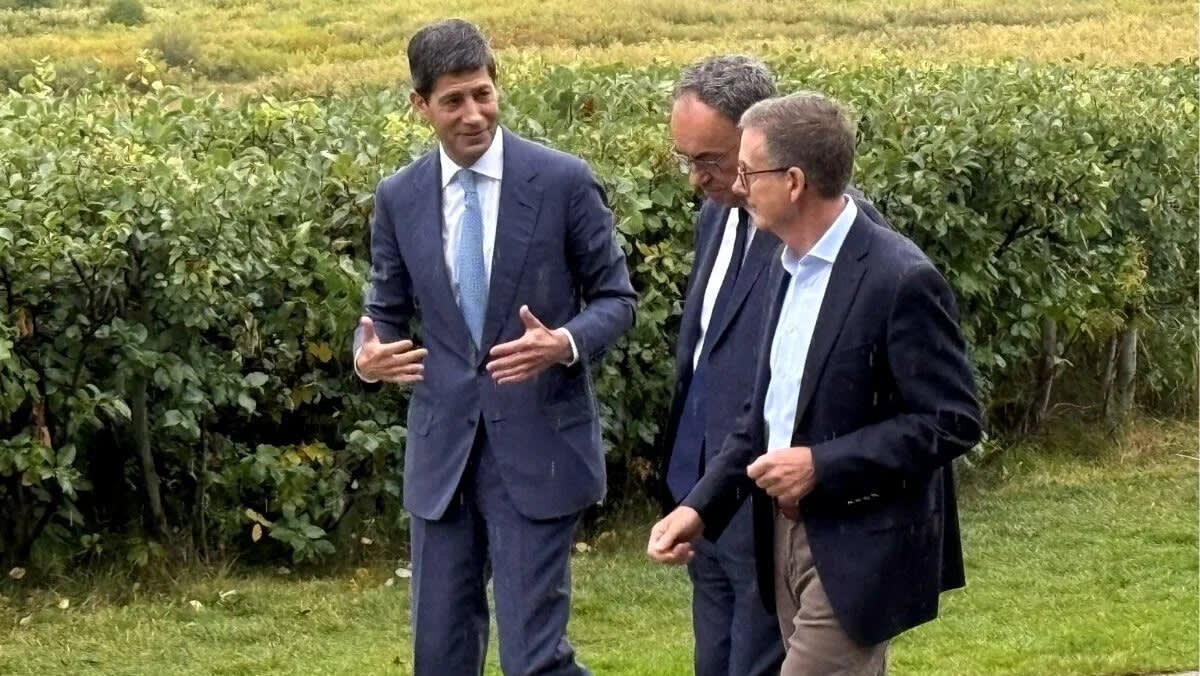
Kevin Warsh advocated for a 'quieter Fed' while signaling a potential interest rate hike due to rising inflation concerns. The upcoming payrolls report remains a critical factor that could influence the Federal Reserve's immediate policy trajectory.
The Evolving Stance of the Federal Reserve
At the recent Jackson Hole economic symposium, Kevin Warsh, in his capacity as a prominent voice within the Federal Reserve, articulated a nuanced vision for the central bank’s future. His primary argument centered on the concept of a "quieter Fed," a philosophy suggesting that the institution should exercise greater restraint in its public communication to avoid market volatility. By reducing the frequency and intensity of public signaling, Warsh believes the Fed can regain a sense of clarity and purpose that is often muddied by the constant cycle of speculation surrounding central bank rhetoric.
The Hawkish Pivot Amid Inflationary Pressure
Despite his preference for a more understated approach, Warsh delivered a clear and forceful message regarding the current economic climate. He identified inflation as an increasingly "concerning" factor, marking the strongest signal to date that the Federal Reserve is prepared to pivot toward a more hawkish monetary policy. This shift suggests that the era of ultra-loose policy may be reaching a definitive conclusion, as the central bank prioritizes price stability over the potential market disruptions that rate hikes often precipitate.
Data Dependence and Economic Volatility
However, the path toward a rate hike is not without its obstacles. The Federal Reserve’s commitment to data-driven decision-making means that upcoming economic indicators carry significant weight. Specifically, the imminent payrolls report is being watched closely by market participants and policymakers alike. This data will serve as a crucial barometer for the health of the labor market, and any unexpected results could complicate the Fed’s ability to execute a rate hike in the immediate term, forcing a recalibration of expectations.
Broader Market Implications
The tension between Warsh’s desire for a "quieter" institution and the necessity of addressing inflationary pressures highlights the delicate balancing act facing the Federal Reserve. For investors, this creates an environment of heightened uncertainty. As the market digests these signals, the focus shifts to how the central bank will reconcile its long-term communication strategy with the urgent, short-term need to manage an overheating economy. The interplay between these two objectives will likely define the market narrative for the remainder of the quarter.
Future Outlook and Policy Trajectories
Looking ahead, the Federal Reserve’s ability to navigate these competing interests will determine the stability of the broader financial system. If the upcoming payrolls data confirms a tight labor market, the case for a rate hike will strengthen, potentially leading to a more aggressive tightening cycle. Conversely, if the data suggests a cooling economy, the Fed may be forced to adopt a more cautious stance, testing the limits of Warsh’s "quiet" approach. Ultimately, the Fed remains at a crossroads where macroeconomic realities are forcing a shift in both tone and policy action.