J&K’s cricket is on the rise. Can the facilities keep up?
Source Entity
Latest News: Todays Latest News Headlines from India & World | Hindustan Times | Hindustan Times
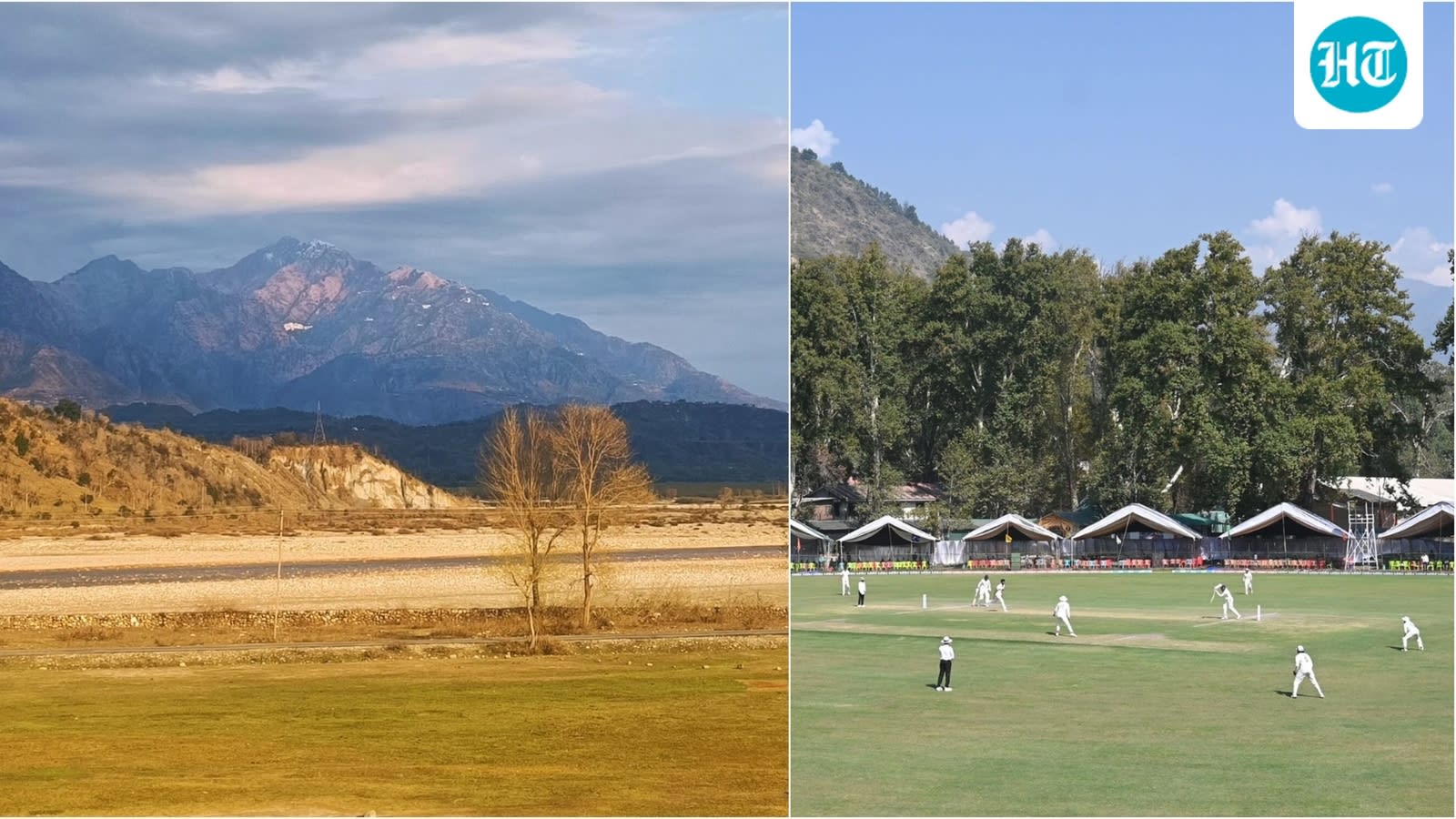
Jammu & Kashmir cricket is experiencing a resurgence following their Ranji Trophy championship win and increased national representation. However, the region now faces the critical challenge of upgrading sports infrastructure to support this newfound momentum.
The Rise of J&K Cricket: A New Era
The landscape of Indian domestic cricket has witnessed a historic shift with Jammu & Kashmir’s ascent to the pinnacle of the Ranji Trophy. This championship victory serves as more than just a trophy win; it acts as a cultural catalyst for the region, transforming the public perception of cricket from a recreational pursuit into a viable, professional career path. As players like Auqib Nabi receive national call-ups and local talent integrates into the North Zone Duleep Trophy squads, the region is finally shedding its status as an outlier in the Indian cricketing ecosystem.
Impact on Regional Aspirations
For decades, young athletes in Jammu and Kashmir faced significant systemic barriers, often lacking the visibility required to break into the national mainstream. The current success has fundamentally altered this narrative. Parents who once discouraged professional sports participation due to a lack of clear pathways are now viewing cricket as a serious future for their children. This shift in parental support is the most vital ingredient for building a sustainable talent pipeline, ensuring that the current generation of stars is not merely a fluke, but the beginning of a consistent output of high-level athletes.
Infrastructure: The Looming Bottleneck
Despite the competitive success, a profound disparity exists between the talent currently being produced and the facilities available to nurture them. The reliance on modest, natural grounds—such as the field in Akhnoor where Sunil Kumar honed his skills—highlights a lack of sophisticated, modern training environments. While the Sher-I-Kashmir stadium in Srinagar has hosted major fixtures like the Irani Cup, providing a high-profile stage, the grassroots infrastructure remains underdeveloped. The transition from a local hero to a national-level professional requires year-round access to elite coaching facilities, indoor nets, and data-driven training, all of which are currently in short supply.
Bridging the Gap
To sustain this momentum, the Jammu & Kashmir Cricket Association must prioritize the modernization of training hubs. The influx of revenue and attention from the Ranji win provides the perfect political and financial leverage to advocate for enhanced sports grants. Future trends suggest that if infrastructure fails to keep pace with the influx of talent, the region risks a "brain drain," where top-tier prospects are forced to migrate to states with superior facilities to continue their development. Establishing a robust network of district-level academies is essential to democratize access to the sport beyond the major metropolitan hubs.
Broader Implications and Future Outlook
The integration of J&K players into the North Zone team for the Duleep Trophy is a testament to the talent density in the region. However, the longevity of this success will be determined by administrative foresight. If policymakers can successfully marry the current enthusiasm with institutional investment, the region could become a permanent fixture in the Indian cricket map. The current challenge is not about finding talent—the results prove that talent exists in abundance—but about building an ecosystem that can sustain, refine, and promote that talent to the international stage.
Verification Required?