J&K House panel report: 63% water schemes non-functional due to ‘negligence’
Source Entity
Latest News: Todays Latest News Headlines from India & World | Hindustan Times | Hindustan Times
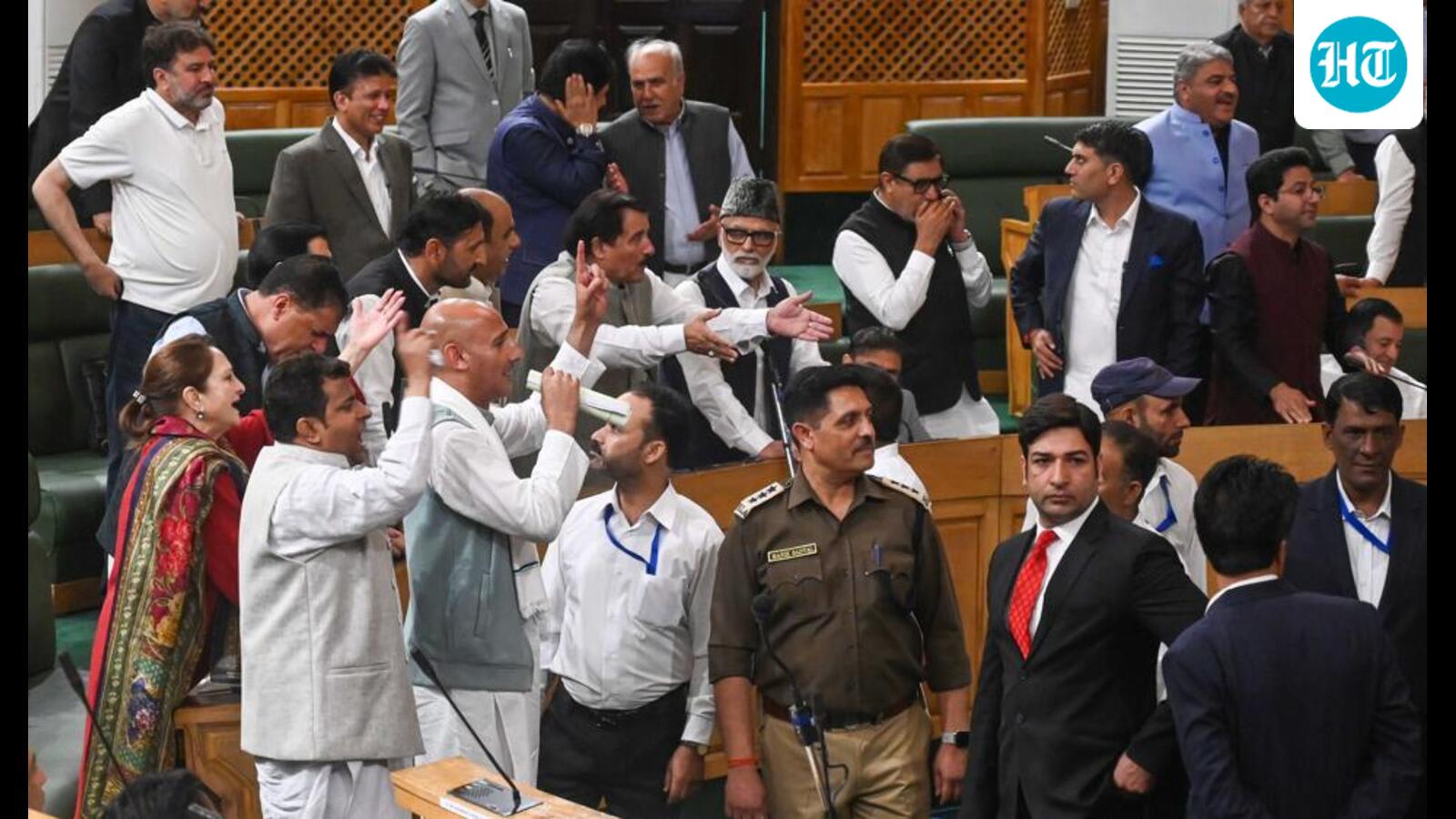
A J&K House Committee report has exposed major irregularities in the ₹1,100-crore Jal Jeevan Mission, revealing that 63% of water schemes remain non-functional. The committee has called for a high-level audit to address administrative negligence and systemic failures in project execution.
Investigation into Jal Jeevan Mission Irregularities in J&K
Overview of the Findings
A significant investigation by a 13-member J&K House Committee has unearthed systemic failures within the implementation of the Jal Jeevan Mission (JJM), a flagship central government initiative aimed at providing clean drinking water to rural households. The committee, led by retired justice Hasnain Masoodi, tabled its findings before the Assembly, revealing a stark disconnect between the massive financial outlay and the ground-level reality of water infrastructure in the Union Territory.
Financial and Operational Discrepancies
Despite an expenditure of approximately ₹7,000 crore, the committee reported that 63% of the 3,253 water supply and retrofitting schemes are currently non-functional. This represents a critical failure in the mission's objective to provide universal water access. The report explicitly highlights that while some isolated progress was noted, the overarching goals of the mission remain largely unachieved, affecting the daily lives of citizens across regional and religious divides.
Root Causes of Implementation Failure
The committee’s report attributes these failures to 'gross negligence of administrative machinery' and substandard execution. Key issues identified include poor maintenance of existing infrastructure, substandard civil works, and significant irregularities in the laying of pipe networks. Furthermore, the report points to flaws in the procurement process, specifically citing irregularities in the awarding of contracts that have undermined the integrity of the entire project lifecycle.
Governance and Accountability Issues
A major concern raised by the committee is the sidelining of Panchayati Raj institutions, which are intended to be the backbone of grassroots implementation. By excluding these local bodies, the administrative machinery reportedly failed to ensure accountability. Additionally, the report highlighted the existence of inaccurate records, which have likely masked the true state of the infrastructure for a considerable period.
Recommendations and Future Implications
In response to these findings, the House Committee has recommended a high-level audit of all projects initiated under the mission. The objective is to fix responsibility on the specific officials and engineers who oversaw these lapses. This move signals a push for greater transparency and administrative accountability in the Union Territory, as the government seeks to rectify the current state of neglect and ensure that future water supply projects meet the necessary safety and efficacy standards.
Conclusion
The J&K House Committee report serves as a stern indictment of the current management of the Jal Jeevan Mission in the region. As the Assembly processes these findings, the demand for a thorough probe and subsequent disciplinary action reflects the urgent need to restore public faith in essential infrastructure projects. Moving forward, the government must address these structural deficiencies to ensure that the mission finally fulfills its mandate of providing reliable drinking water to the rural population.
Verification Required?