In rain deficit Maharashtra, Bhira and Tamhini close in on 10,000mm mark, Solapur gets just 159.5mm
Source Entity
Latest News: Todays Latest News Headlines from India & World | Hindustan Times | Hindustan Times
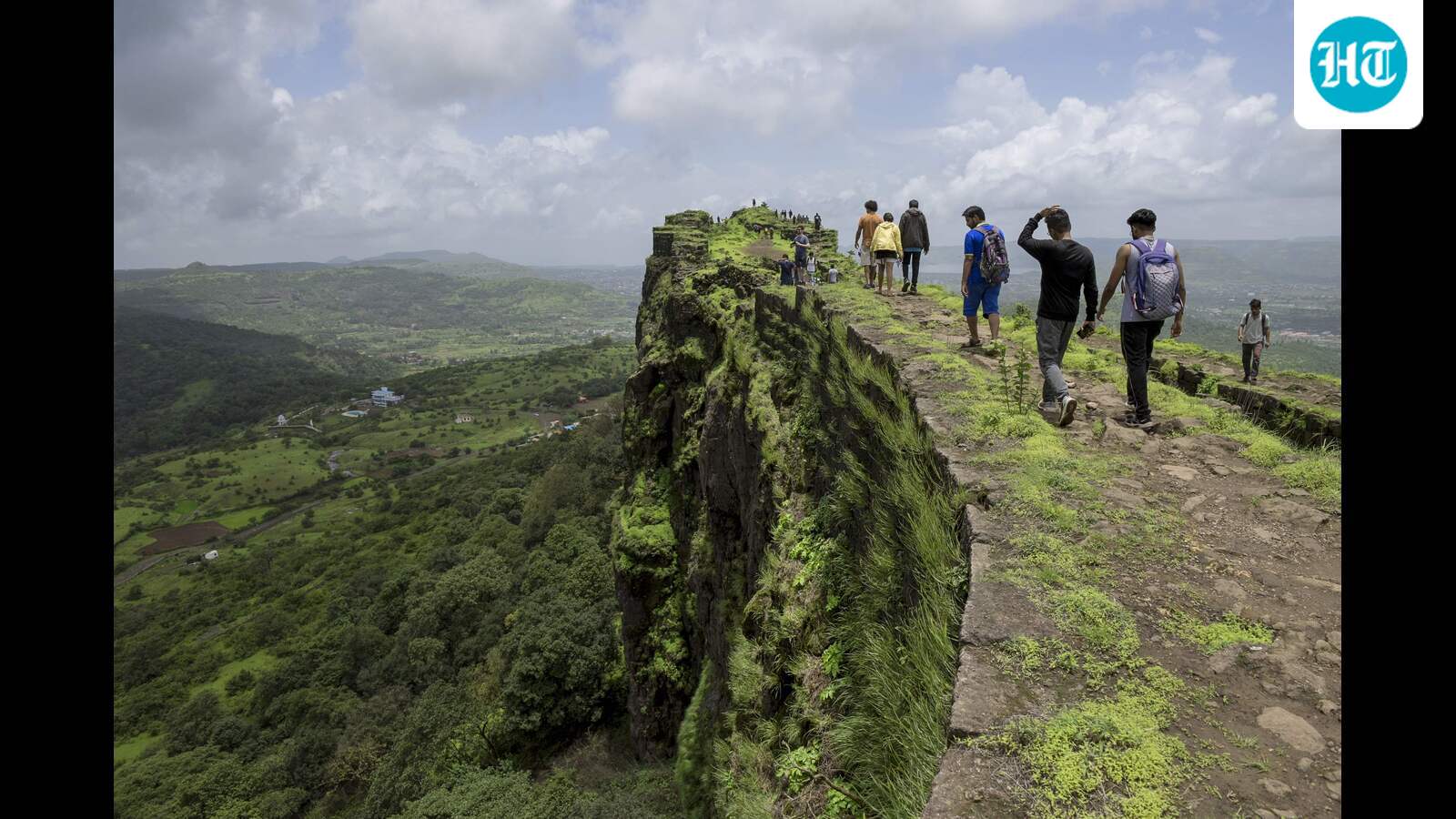
Maharashtra is set to declare a 100% drought state-wide by September-end due to an unprecedented dry spell affecting major crops. The crisis is exacerbated by extreme regional rainfall disparities, with record-breaking precipitation in the Western Ghats contrasting with severe deficits in regions like Solapur.
Maharashtra Faces Unprecedented Agrarian Crisis
Maharashtra is on the precipice of a formal declaration of a 100% drought state-wide, a move signaled by Cooperation Minister Babasaheb Patil. This anticipated declaration, expected by the end of September, marks a significant escalation in the government's response to an agricultural crisis that officials describe as the most severe within living memory. The move is anchored in the National Disaster Response Fund (NDRF) norms, which provide the framework for state intervention during climate-induced catastrophes.
The Human and Economic Toll
The impact of this dry spell is widespread, devastating critical cash crops such as soybean, cotton, and sugarcane. These crops form the backbone of the state's rural economy, and their failure threatens the livelihoods of millions of farmers. In response, the Mahayuti government has begun rolling out emergency relief measures, including the waiver of school and college fees for students, the suspension of electricity bills for affected agricultural households, and the deployment of water tankers to mitigate the acute shortage of potable water.
Geographical Extremes: A Tale of Two Monsoons
The current crisis is defined by a striking geographical paradox within the state. While regions like Bhira and Tamhini in the Western Ghats are approaching a staggering 10,000 mm of seasonal rainfall, other districts like Solapur have recorded a mere 159.5 mm since June 1. This disparity highlights the influence of the Sahyadri mountain range, which acts as a barrier to moisture-laden winds from the Arabian Sea, causing extreme precipitation on the windward side and leaving the rain-shadow regions to the east critically parched.
Meteorological Factors and Climate Sensitivity
Meteorologists point to the interaction between the southwest monsoon and the unique topography of the Western Ghats as the primary driver of this uneven distribution. While this is a known geological phenomenon, the current intensity suggests an increasing volatility in monsoon patterns. The failure of rainfall in the rain-shadow belts has proven catastrophic, as these areas lack the buffer infrastructure to manage such extreme precipitation deficits.
Broader Implications and Future Trends
The decision to declare a 100% drought highlights the urgent need for Maharashtra to modernize its water management and agricultural policies. The current reliance on traditional crop cycles in the face of erratic climate behavior is becoming unsustainable. Moving forward, the state will likely need to prioritize investments in drought-resistant crop varieties, improved irrigation infrastructure for the rain-shadow regions, and more robust early-warning systems to mitigate the impact of future climate variability.
Conclusion
As the state government prepares to formalize the drought status, the focus remains on immediate relief for the agrarian sector. However, the sheer scale of the crisis underscores a long-term challenge: balancing the needs of a diverse landscape prone to both extreme flooding and severe drought. The coming months will be a critical test of the state's administrative capacity to provide relief while planning for a more resilient agricultural future.
Verification Required?