Why Shimla monkey menace poses questions beyond human-wildlife conflict
Source Entity
Saurabh Parashar
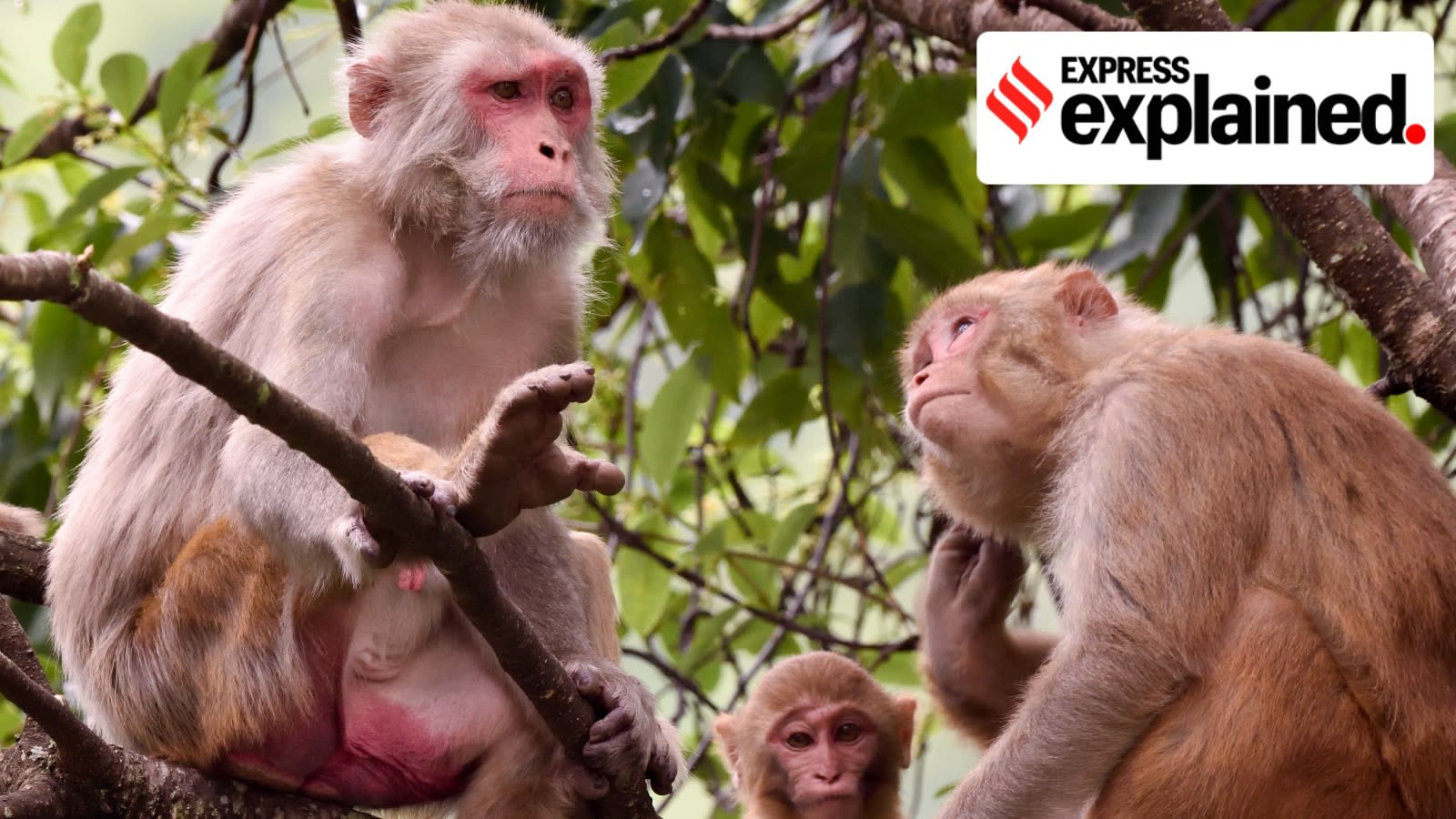
The tragic death of Satya Devi Chauhan in Shimla following a rhesus macaque attack has reignited concerns over human-wildlife conflict. The incident underscores the complexities of managing protected species following recent legislative changes to the Wild Life (Protection) Act.
The Tragic Case of Satya Devi Chauhan
The recent death of 63-year-old Satya Devi Chauhan in Shimla highlights the escalating severity of the human-wildlife conflict in Himachal Pradesh. On August 30, Chauhan was attacked by a pack of rhesus macaques while on the roof of her residence, sustaining critical injuries, including severe spinal damage. Despite receiving intensive care at the Indira Gandhi Medical College & Hospital, she succumbed to her injuries on September 5, marking a grim turning point in the local discourse regarding public safety and primate management.
Legislative Shifts and Legal Protections
This incident has cast a spotlight on the evolving legal status of the rhesus macaque in India. Historically, the Wild Life (Protection) Act of 1972 afforded these animals rigorous protection by listing them under Part I of Schedule II. However, the landscape of animal control shifted significantly with the enactment of the Wild Life (Protection) Amendment Act, 2022, which removed the rhesus macaque from this protected status. This legislative change was intended to provide authorities with more flexibility in addressing the growing nuisance caused by these primates, yet it has sparked debates on the efficacy of population control versus animal welfare.
The Complexity of Urban Human-Wildlife Coexistence
Shimla’s unique topography and urban development patterns have created an environment where rhesus macaques have increasingly encroached upon human habitats. The transition of these primates from forest dwellers to urban foragers has led to aggressive behavioral adaptations, often resulting in direct physical confrontations with residents. The case of Satya Devi Chauhan serves as a stark reminder that these encounters are no longer mere nuisances but represent a genuine threat to life and limb for the elderly and vulnerable populations living in high-density areas.
Administrative Challenges in Mitigation
Managing primate populations in a sensitive ecological zone like Shimla presents a formidable challenge for local administration. While the 2022 amendment offers a pathway for more aggressive management, the implementation of these policies on the ground remains fraught with difficulty. Authorities are tasked with balancing the urgent need to protect human citizens from further harm with the ethical considerations and ecological responsibilities inherent in managing local wildlife populations.
Future Outlook and Policy Implications
Moving forward, the death of Chauhan is likely to act as a catalyst for a re-evaluation of how Shimla manages its wildlife interface. Future trends suggest a move toward more integrated strategies that combine habitat management, deterrent technologies, and potentially stricter population control measures. As urban centers continue to expand into traditional wildlife corridors, the necessity for a robust, science-based approach to conflict mitigation has never been more critical to ensuring both public safety and the sustainable management of India's indigenous species.