JNU cancels booking of auditorium for discussion on Umar Khalid’s book, tags PM, Amit Shah, Education Minister on X post
Source Entity
Vidheesha Kuntamalla
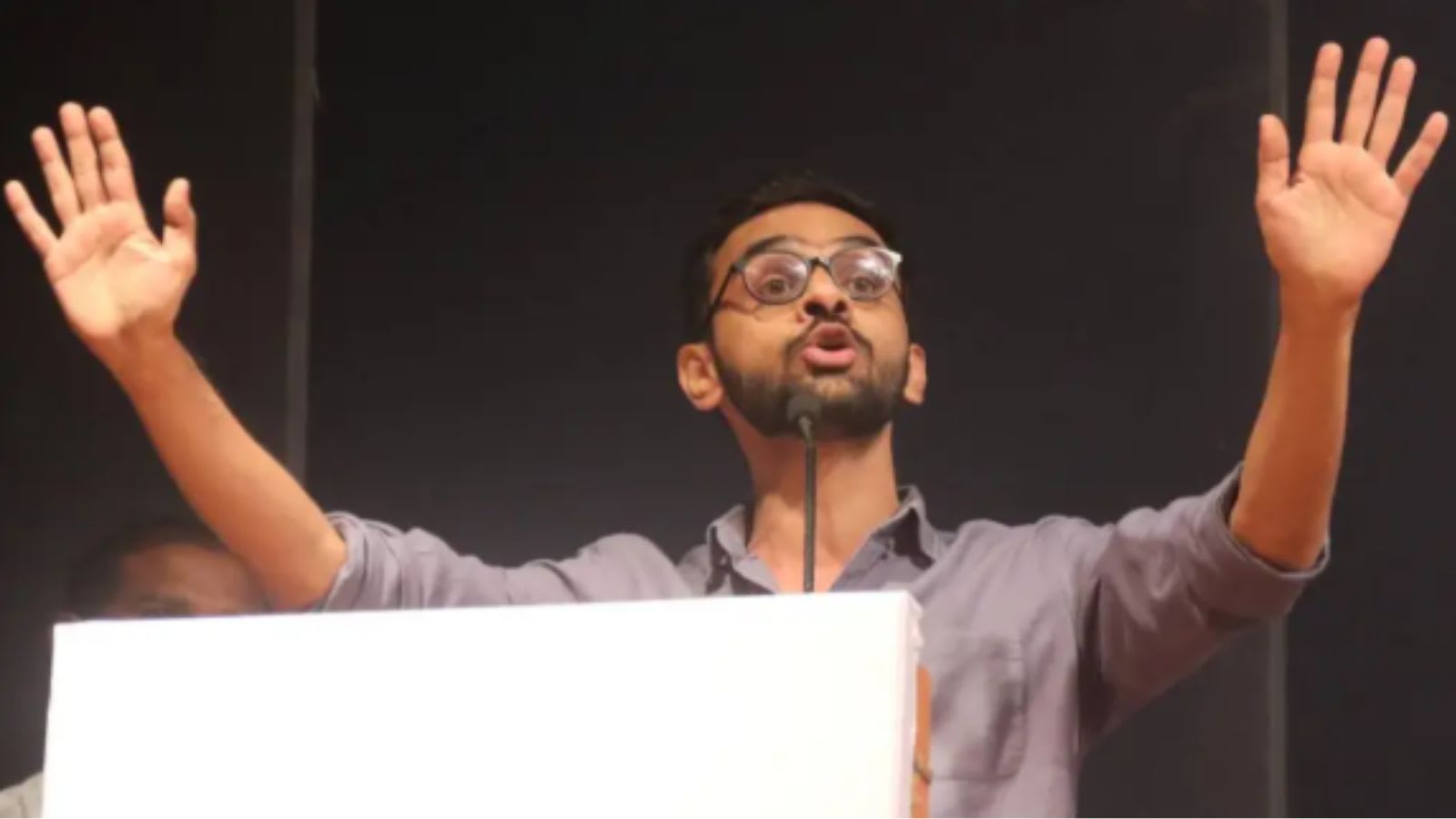
Jawaharlal Nehru University has canceled a scheduled campus book discussion on Umar Khalid's PhD-based work, citing incomplete information. The JNUSU, which organized the event, plans to relocate the session despite the administration's intervention.
JNU Cancels Book Discussion on Umar Khalid's Work
Jawaharlal Nehru University (JNU) has become the center of a fresh controversy following the sudden cancellation of a booked auditorium for a discussion on Fractured Communities: Adivasi Histories and the Politics of Power. The book, authored by former student and currently incarcerated activist Umar Khalid, is based on his PhD thesis from the university. The event, organized by the Jawaharlal Nehru University Students' Union (JNUSU), was initially scheduled for August 10 at the School of Social Sciences-I (SSS-I) auditorium to coincide with the International Day of the World's Indigenous Peoples.
Administrative Justification vs. Student Claims
The university administration cited a "non-disclosure of the full facts about the program" as the primary reason for withdrawing permission for the venue. This decision was communicated shortly after the JNUSU reported that the auditorium booking had been revoked without a clear, specific explanation provided to the organizers at the time of the cancellation. The discrepancy between the administration's stated bureaucratic rationale and the students' assertion of a lack of communication highlights the ongoing tension regarding the regulation of political and academic discourse on campus.
Context of the Author and the Work
Umar Khalid, a former JNU scholar, has remained in jail for six years, with his trial yet to commence. The book in question represents his academic output during his time at the university. By centering the discussion on his thesis regarding Adivasi histories and the politics of power, the JNUSU intended to highlight both the academic merit of the work and the broader socio-political implications of the author’s continued incarceration. The event serves as a focal point for debates regarding academic freedom and the space afforded to controversial or politically sensitive figures within university environments.
Pattern of Campus Restrictions
This cancellation is not an isolated incident at JNU. Reports indicate that this action follows the recent cancellation of another event that was set to feature an ISKCON representative. This pattern suggests a tightening of administrative oversight regarding campus programming. The university’s requirement for full disclosure of event details is being interpreted by student bodies as a mechanism to exert control over the types of speakers and topics allowed to be hosted within university facilities.
Broader Implications for Academic Discourse
The move to shift the event to an alternate venue indicates that the JNUSU intends to proceed with the discussion despite the administration's obstruction. This standoff reflects a broader struggle over the autonomy of student organizations and the role of public universities in hosting diverse, sometimes polarizing, intellectual conversations. As the debate over free speech in Indian higher education continues, the case of the JNU book discussion underscores the friction between institutional administrative mandates and student-led academic initiatives.
Conclusion
While the JNU administration maintains that the cancellation was a procedural necessity due to incomplete documentation, the event has reignited concerns regarding the narrowing scope for political and academic debate on campus. As the JNUSU moves to find an alternate location, the situation remains a clear example of the complex intersection between institutional governance, student activism, and the legacy of scholars who find themselves at the center of national political discourse.