Delhi Confidential: Hike Hopes
Source Entity
The Indian Express
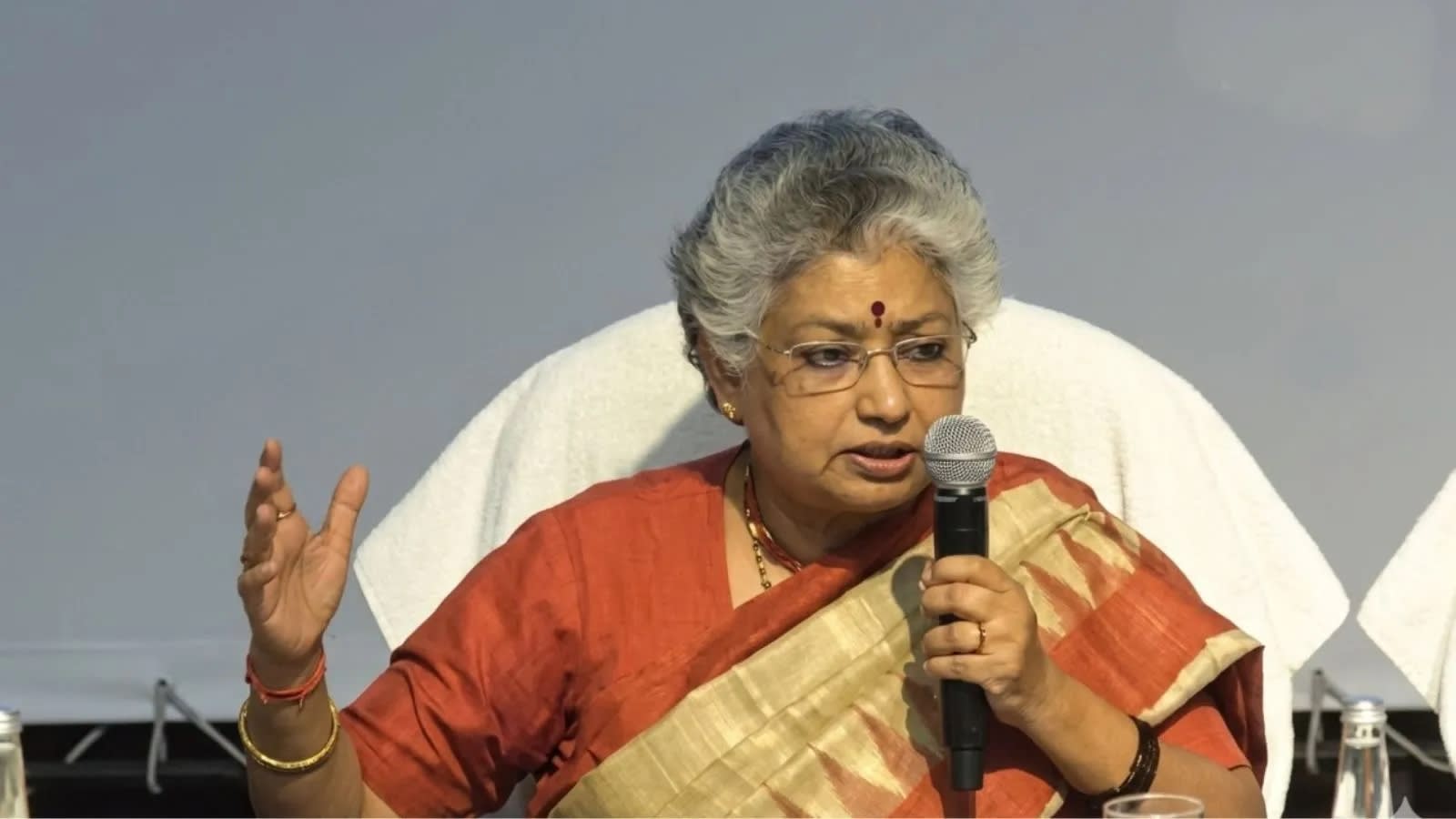
Supreme Court Justice B.V. Nagarathna has advised disabled former military cadets to seek redressal for ex gratia grievances through the 8th Pay Commission. She noted that the Commission, led by Justice Ranjana Prakash Desai, may offer a more compassionate approach to these long-standing issues.
Judicial Guidance on Military Disability Grievances
In a recent observation made during court proceedings, Supreme Court Justice B.V. Nagarathna provided significant guidance to former military cadets who were discharged due to disabilities sustained during their training. The core of the issue involves the complex and often protracted nature of obtaining ex gratia payments and disability benefits for those whose military careers were curtailed before they could fully begin. By directing these individuals to the 8th Pay Commission, the court is signaling a preference for administrative resolution over prolonged litigation.
The Role of the 8th Pay Commission
The 8th Pay Commission serves as a critical mechanism for adjusting the compensation structures for government employees and defense personnel in India. These commissions are tasked with reviewing salary scales, allowances, and benefits to keep pace with inflation and changing economic realities. Justice Nagarathna’s recommendation highlights the commission's role not just in salary adjustments, but as a potential forum for addressing systemic inequities faced by former service members who have been sidelined by disability.
The Human Element in Policy
Justice Nagarathna’s comments emphasized the significance of leadership within the Commission. By noting that Justice Ranjana Prakash Desai, a former woman judge, is heading the body, the Supreme Court suggested that the current leadership might bring a heightened level of empathy and "compassion" to the review process. This reflects a broader understanding that while policy frameworks are rigid, the interpretation and application of these rules can be significantly influenced by the personal perspectives of those in charge.
Broader Implications for the Judiciary and Defense
The observation also touched upon the universal nature of compensation reviews, with Justice Nagarathna noting that even the judiciary anticipates salary adjustments every decade. This creates a parallel between the civil service, the judiciary, and the armed forces, suggesting that the drive for fair remuneration is a shared experience across the pillars of the state. For the armed forces, this is particularly poignant, as the unique physical and psychological risks of military training necessitate a robust support system for those who suffer permanent injuries.
Future Trends and Administrative Redressal
Moving forward, the reliance on Pay Commissions to resolve specific grievance categories may become a more standard judicial recommendation. This approach aims to reduce the burden on the court system while ensuring that specialized administrative bodies handle complex compensation issues. By encouraging these cadets to make a formal representation, the court is essentially streamlining the path to justice, ensuring that the needs of disabled veterans are addressed by the very body empowered to restructure government compensation packages.
Conclusion
The advice provided by Justice Nagarathna acts as a bridge between judicial oversight and administrative action. By positioning the 8th Pay Commission as a viable and empathetic avenue for relief, the court has provided a clear roadmap for disabled former cadets. Whether this leads to a shift in policy remains to be seen, but the intervention underscores the ongoing commitment to ensuring that those who trained for the service of the nation are treated with the dignity and financial security they deserve.