Jojo the gorilla has spent his life alone. Can he finally find a companion?
Source Entity
BBC News
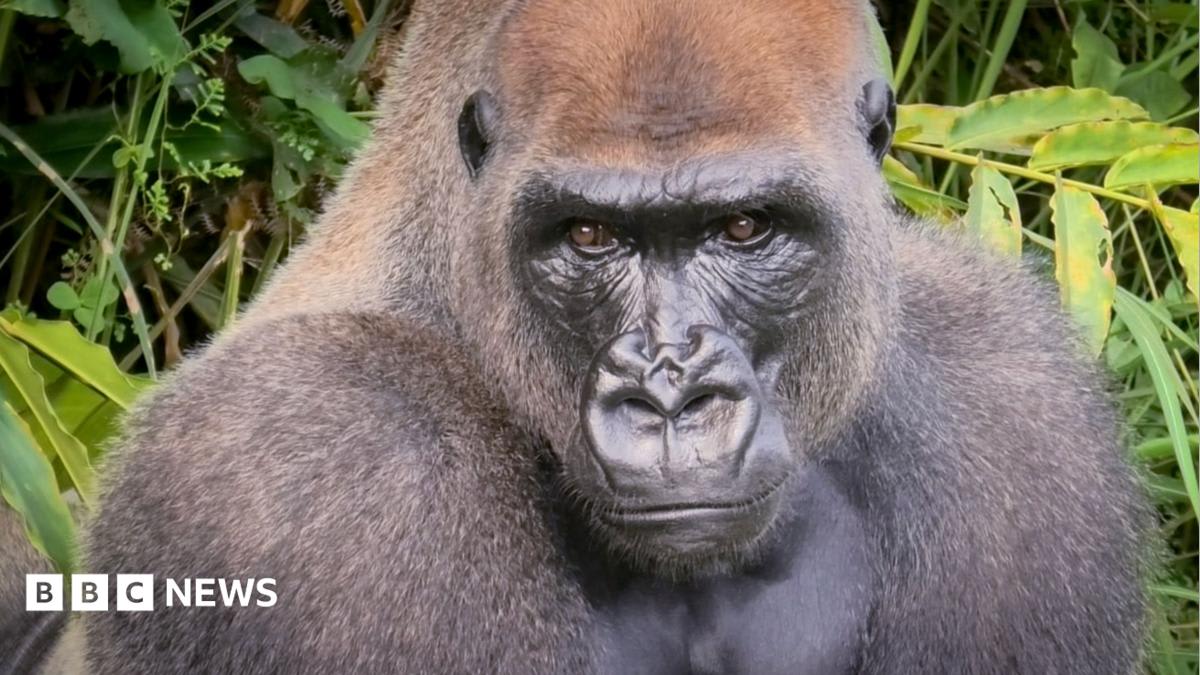
Jojo, a gorilla rescued from a private zoo in Gabon after being orphaned by poachers, is struggling with lifelong isolation. Caretakers at the Lekedi Foundation are currently seeking a compatible companion to help him socialize and recover from his traumatic upbringing.
The Tragic Case of Jojo: A Life Defined by Isolation
Jojo’s story is a harrowing testament to the devastating impact of illegal wildlife trade on great apes. Poached as an infant after his family was killed, Jojo spent over a decade confined to a cramped cage in a private zoo in Gabon. This early-life trauma stripped him of the foundational social behaviors inherent to gorilla development, leaving him as one of the most extreme cases of isolation ever documented in a great ape.
The Long Road to Rehabilitation
In 2015, Jojo’s life reached a turning point when he was moved to the Lekedi Foundation. For the first time, he experienced the tactile sensation of grass beneath his feet, a small but significant step toward reclaiming a semblance of his natural existence. However, physical freedom does not equate to psychological recovery. Having been deprived of maternal care and troop dynamics during his formative years, Jojo remains a solitary figure, highlighting the profound difficulty of rehabilitating animals that have been severed from their natural social structures.
The Complexities of Social Integration
Caretakers at the Lekedi Foundation are now tasked with the delicate mission of finding Jojo a companion. While the goal is to provide him with the social interaction he lacks, the process is far from straightforward. Introducing a new gorilla to an individual with such limited social experience carries significant risks. Animals raised in isolation often lack the nuanced communication skills required to navigate dominance hierarchies and bonding rituals, which can lead to conflict or further distress.
Challenges in Captive Rehabilitation
Finding a suitable candidate—whether another rescued gorilla or a zoo-bred individual—requires careful consideration of temperament, age, and background. Experts must ensure that any potential companion is not only compatible but also capable of handling Jojo's unique behavioral deficiencies. This process underscores the broader challenges in wildlife conservation: rescuing an animal is merely the first step in a long, resource-intensive journey toward true rehabilitation.
Broader Implications for Wildlife Conservation
Jojo’s situation serves as a stark reminder of the long-term consequences of poaching. Beyond the immediate loss of life, the removal of infants from the wild creates a cycle of psychological damage that conservationists must spend years, or even decades, trying to mitigate. His experience emphasizes the need for stricter enforcement of wildlife protection laws to prevent the initial capture of these highly social creatures, whose complex emotional needs are impossible to replicate in captivity.
Looking Toward a Social Future
As the Lekedi Foundation continues its efforts, the scientific community watches closely. Jojo represents a unique case study in the resilience of great apes. If he can eventually form a bond with another gorilla, it would be a monumental success for animal welfare experts. Ultimately, his journey is a poignant call to action for the protection of primate habitats and the eradication of the illegal trade that continues to tear families apart.