Judge declines long-term ban on Trump’s taxpayer-funded political ads
Source Entity
PRIYANKA JAISWAL
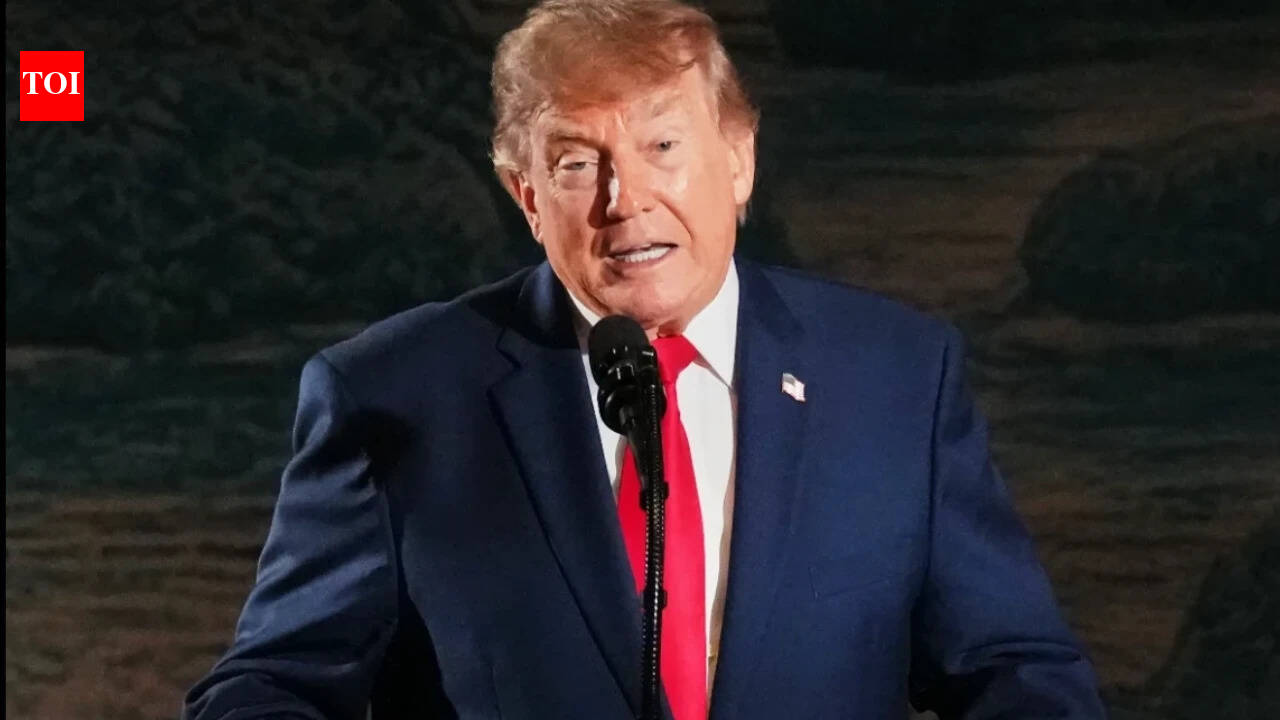
A federal judge has refused to issue a long-term injunction against taxpayer-funded political ads from the Trump administration. The court ruled that plaintiffs failed to prove ongoing irreparable harm following the conclusion of the midterm elections.
Judicial Ruling on Taxpayer-Funded Political Advertising
The Court’s Decision
In a significant legal development, a US federal judge has declined to impose a long-term ban on the Trump administration’s use of taxpayer-funded political advertisements. US District Judge Jennifer L. Rochon, presiding in New York, issued the ruling on Friday, effectively dismissing the request for a permanent injunction. The lawsuit, spearheaded by a coalition including the government watchdog group Common Cause, sought to halt the practice, arguing that such expenditures crossed the line between official government messaging and partisan political promotion.
The Question of 'Imminent Harm'
At the heart of Judge Rochon’s decision was the legal standard of 'imminent and irreparable harm.' The court determined that the plaintiffs failed to adequately demonstrate that these advertisements continued to pose an immediate threat following the conclusion of the November 3 midterm elections. The judicial reasoning emphasizes that the urgency initially presented by the plaintiffs was inextricably linked to the electoral cycle, which has since passed, thereby rendering the request for immediate temporary relief moot in the eyes of the court.
The Role of Watchdog Groups
Groups like Common Cause play a vital role in the American democratic ecosystem by scrutinizing the intersection of federal funding and political messaging. By filing this lawsuit, the coalition aimed to establish a precedent regarding the limitations of executive branch communications. While this particular effort to secure a long-term ban did not succeed, the litigation highlights the ongoing tension regarding transparency and the ethical boundaries of how government resources are utilized during sensitive political windows.
Historical Context and Precedent
This case touches upon the long-standing debate over the 'incumbency advantage' and the use of federal agencies to amplify political messaging. Historically, administrations have often faced scrutiny for the timing and content of taxpayer-funded communications. The judiciary remains cautious, however, about intervening in executive branch functions unless there is a clear, ongoing violation of law that results in concrete, non-speculative harm to the citizenry or the integrity of the election process.
Broader Implications for Governance
The ruling serves as a reminder of the high burden of proof required to stop government activities through injunctive relief. While the immediate threat of the midterm cycle has subsided, the debate over 'official' versus 'political' communication remains a staple of American political discourse. Future trends suggest that watchdogs will continue to leverage the court system to challenge administrative practices, forcing a continuous re-evaluation of where the line is drawn between informing the public and influencing the electorate.
Conclusion
In summary, Judge Rochon’s refusal to grant a long-term ban marks a victory for the administration in this specific legal challenge, grounded largely in the procedural requirement of showing ongoing harm. As the political landscape shifts, the precedent set by this ruling regarding 'urgency' and 'harm' will likely influence how future challenges to government advertising are framed and adjudicated in federal courts.