Ladakh Set For First Local Body Polls Since Becoming Union Territory
Source Entity
NDTV News Search Records Found 1000
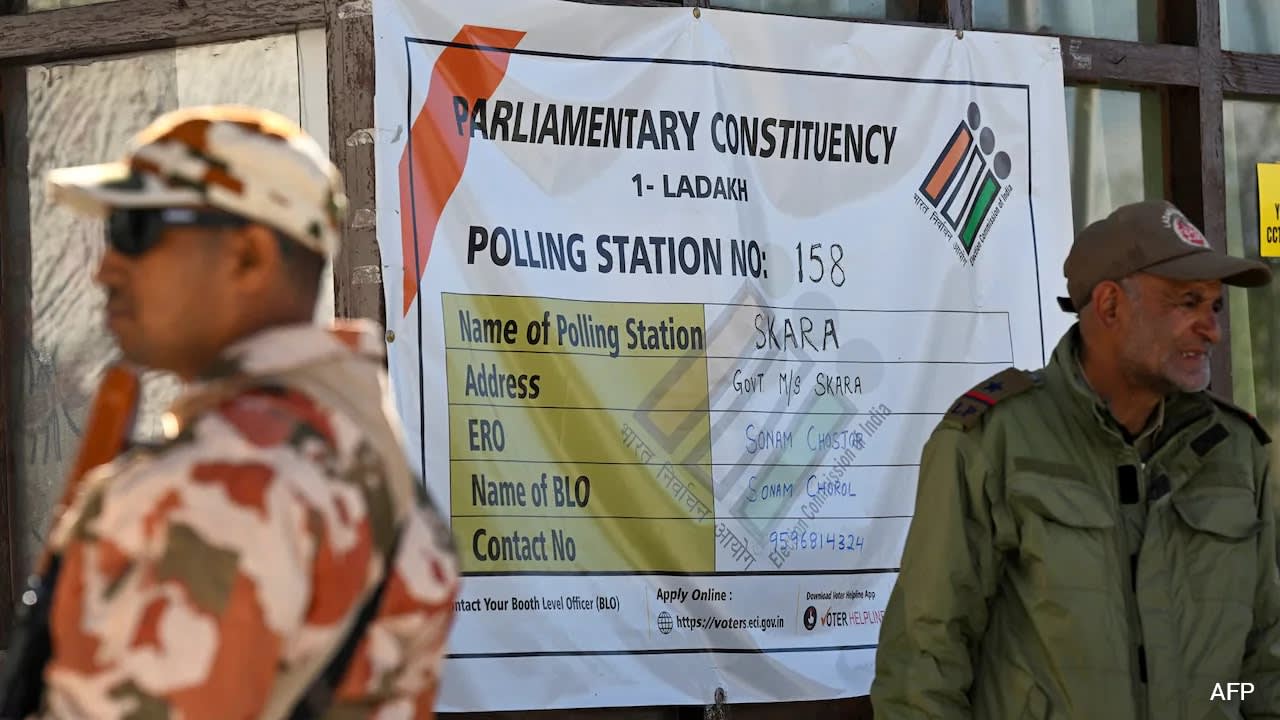
Ladakh is conducting its first local body elections since becoming a Union Territory in 2019. Voters are participating in municipal and panchayat polls across the high-altitude region despite freezing temperatures.
Ladakh Marks a Democratic Milestone
On November 21, 2026, the Union Territory (UT) of Ladakh achieved a significant democratic milestone by holding its first municipal and panchayat elections since the region was carved out of the erstwhile state of Jammu and Kashmir on August 5, 2019. This event represents a critical transition in the administrative governance of the cold desert, as residents head to the polls to elect representatives for local bodies that have been vacant following the completion of their terms between late 2023 and early 2024.
The Logistics of High-Altitude Democracy
Conducting elections in Ladakh presents unique geographical and climatic challenges. With polling stations spread across 59,146 square kilometers, election officials have managed the massive task of deploying materials and staff to serve 1.87 lakh electors. The logistical feat is underscored by the extreme environment, with voting occurring at altitudes reaching 15,075 feet at Korzok and 10,800 feet in Drass. As temperatures plummet to between -7°C and -9°C, the dedication of the polling personnel—who navigated remote regions like the Nubra valley—highlights the commitment to ensuring universal franchise in one of India’s most isolated terrains.
Political Landscape and Competition
These elections are defined by a direct contest between the Bharatiya Janata Party (BJP) and the Indian National Congress (INC). In the Leh Municipal Council, all 21 wards are being contested, while in the Kargil Municipal Council, four of the 17 wards have already seen representatives elected unopposed. The intensity of the campaigning, evidenced by the 541 candidates who filed nominations, reflects the importance local stakeholders place on these grassroots institutions.
Historical Context and Governance
For nearly eight years, the region has seen varied administrative structures. The last local body polls were conducted in 2018, while Ladakh was still part of the Jammu and Kashmir administrative framework. The current polls serve to restore the local democratic tier that is essential for the effective implementation of welfare schemes and development projects at the village and municipal levels. By empowering these local bodies, the administration aims to improve service delivery and community-level decision-making.
Future Implications for the Union Territory
These elections are likely to set the tone for political engagement in the UT for the coming years. By establishing a functional local government, the region is better positioned to address the specific needs of its diverse population, ranging from urban infrastructure in Leh and Kargil to rural development in the interior valleys. As the results unfold, the strength of the mandate will provide a clear indicator of the political pulse of Ladakh, influencing future administrative policies and the trajectory of local development initiatives.
Verification Required?