'Sonia was real owner of Maruti': BJP's Nishikant Dubey makes big claim
Source Entity
ABHISHEK MISHRA
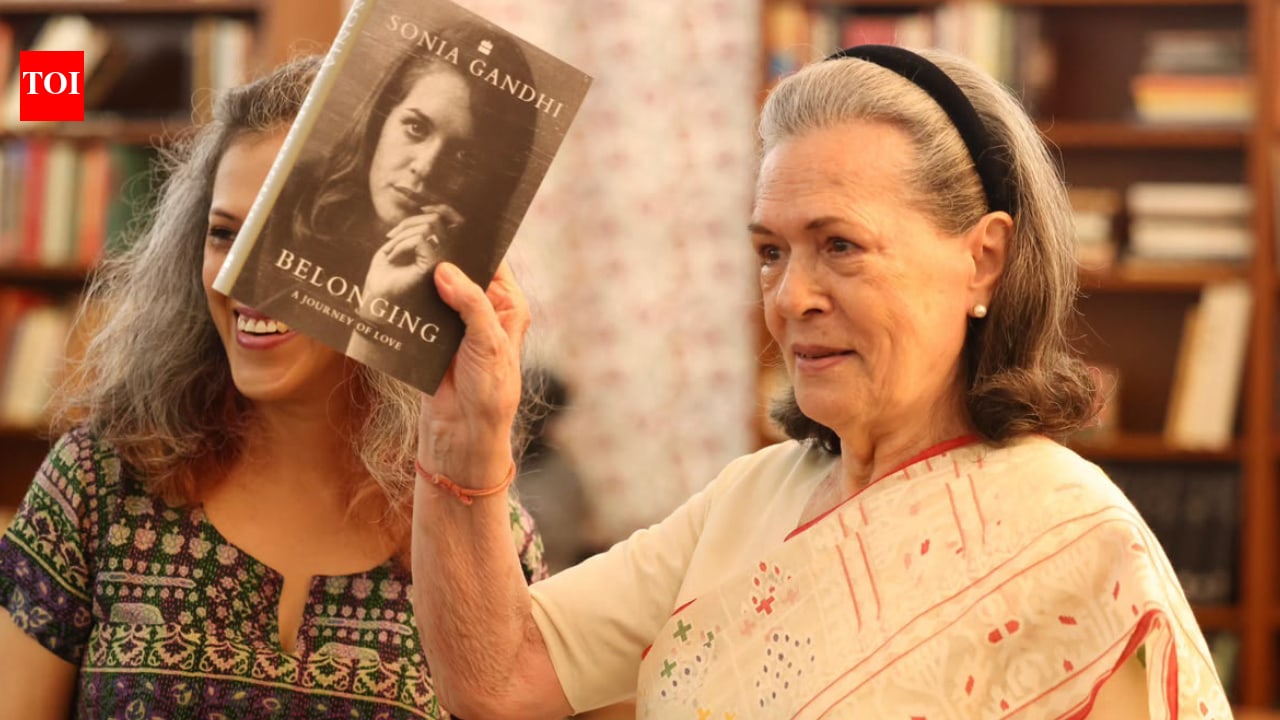
BJP MP Nishikant Dubey has alleged that Sonia Gandhi was the 'real owner' of Maruti, questioning a 1970s-era business deal. The claim has sparked a fresh political debate regarding historical corporate-political ties in India.
The Maruti Ownership Controversy: A Political Retrospective
The Claim Against the Gandhi Family
BJP Member of Parliament Nishikant Dubey has recently leveled a significant allegation, claiming that former Congress President Sonia Gandhi was the "real owner" of Maruti. This assertion, which centers on a purported "1970 deal," seeks to re-examine the historical origins of one of India's most iconic automobile manufacturers. By casting doubt on the ownership structure during the company's nascent stages, Dubey is attempting to draw a direct line between the Gandhi family's political influence and the industrial landscape of the 1970s.
Historical Context of the 1970 Deal
To understand the gravity of these claims, one must look back at the early 1970s, a period marked by intense state intervention in the Indian economy. Maruti Limited was incorporated in 1971, during a time when the automotive sector was heavily regulated. The controversy surrounding the company's early years has been a recurring theme in Indian political discourse for decades, often resurfacing during election cycles or periods of heightened parliamentary scrutiny. Dubey's latest statement serves as a continuation of this long-standing narrative that seeks to hold the Congress leadership accountable for past economic policies.
Political Implications and Allegations
Nishikant Dubey’s claims are not merely about corporate history but represent a broader strategy to challenge the ethical foundations of the Congress party's long-term dominance. By suggesting that prominent political figures held hidden stakes in major industrial ventures, the BJP aims to characterize the Congress era as one of "crony capitalism." This tactic is designed to resonate with voters who are critical of the historical nexus between political power and industrial growth, thereby undermining the legacy of the Gandhi family.
The Burden of Proof and Parliamentary Conduct
In the arena of Indian parliamentary politics, such inflammatory claims carry significant weight. When a sitting MP raises questions about a decades-old business deal, it often triggers demands for formal investigations or white papers. However, verifying ownership structures from the 1970s presents a complex challenge due to the evolution of corporate records and the passage of time. The discourse surrounding this claim highlights the difficulty of separating historical fact from politically motivated rhetoric in the high-stakes environment of the Lok Sabha.
Future Trends in Political Discourse
As the political landscape in India continues to evolve, the focus on historical accountability is likely to intensify. We can expect more instances where political leaders leverage archival data or purported "hidden deals" to contest the reputations of their opponents. This trend suggests that the "history war" in Indian politics will remain a central pillar of the electoral strategy, with both ruling and opposition parties digging into the past to frame the narrative of the present. The debate over the ownership of Maruti will likely serve as a case study for how historical corporate dealings are weaponized in contemporary political battles.