Why Paramount could win if it loses the Warner Bros. Discovery deal
Source Entity
Mark Hulbert
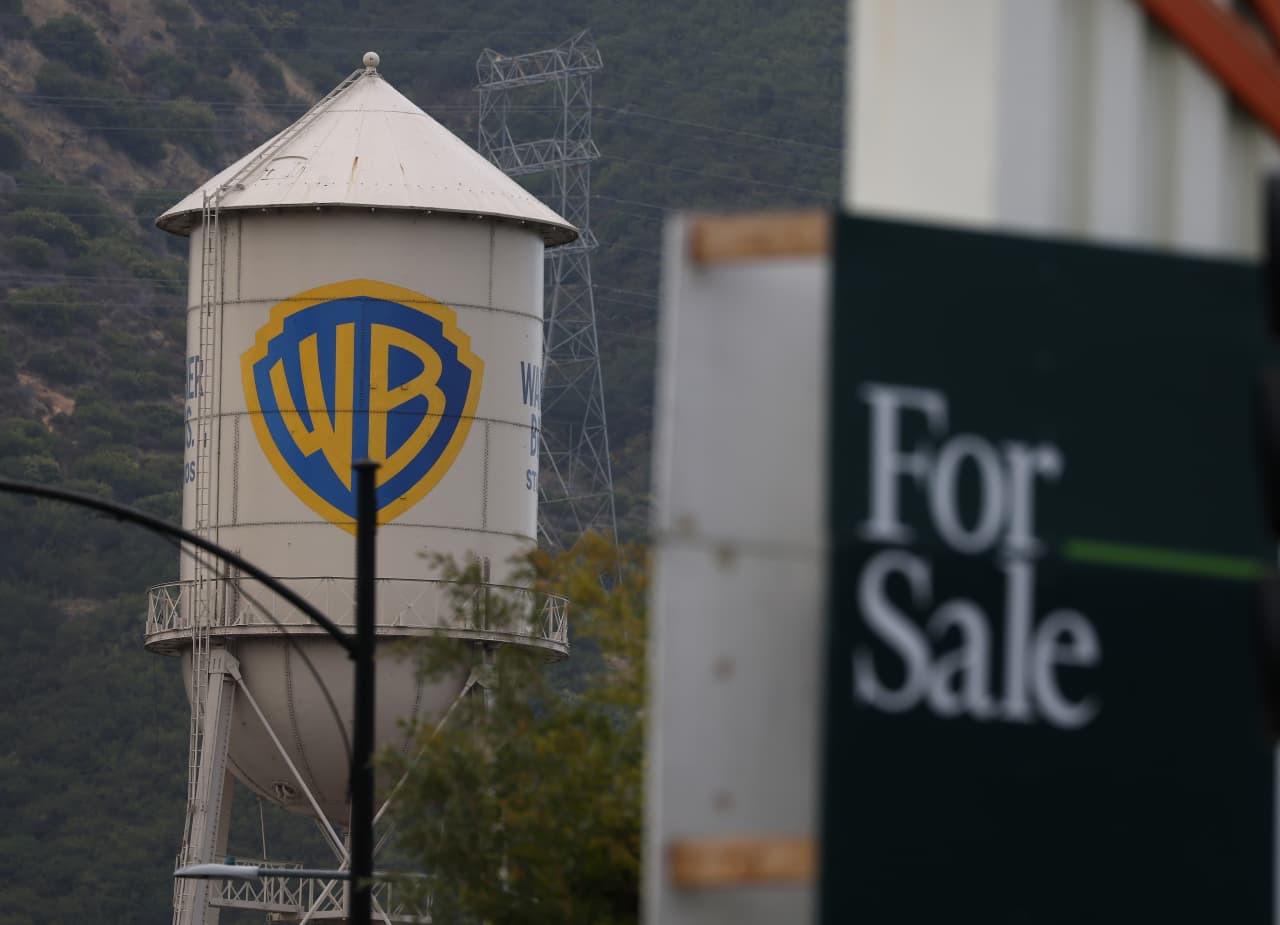
A federal judge has issued a temporary restraining order halting the proposed multi-billion dollar merger between Paramount and Warner Bros. Discovery. The ruling follows a lawsuit from 12 states arguing the consolidation would violate antitrust laws and harm market competition.
Legal Intervention in Media Consolidation
In a significant development for the entertainment industry, U.S. District Judge Araceli Martínez-Olguín has granted a temporary restraining order (TRO) halting the proposed merger between Paramount and Warner Bros. Discovery. The deal, which has been reported with valuations ranging from $81 billion to $111 billion, now faces a critical roadblock as a coalition of 12 states—led by California—seeks to prevent its completion. This judicial action marks a pivotal moment in the ongoing debate over media concentration and consumer choice.
The Antitrust Argument
The core of the litigation rests on the assertion that this massive consolidation would "extinguish competition" within the Hollywood landscape. By combining two of the world's most influential media entities, the states argue that the resulting market share would create an environment where consumer choice is severely diminished. Judge Martínez-Olguín noted that the court is persuaded to presume the merger is "likely to violate antitrust laws," highlighting the potential for irreparable harm to the public if the integration of these operations were allowed to proceed unchecked.
Procedural Context and the 14-Day Window
The current order serves as a temporary stop-gap, effective for 14 days. This timeframe allows the court to evaluate the merits of the states' claims, specifically focusing on whether to convert the TRO into a preliminary injunction. Should the court grant such an injunction, the companies would be barred from finalizing the merger until the broader legal battle is fully resolved. The states’ legal strategy hinges on the necessity of this pause to prevent the companies from consolidating their operations while the case is under review.
The Role of State Attorneys General
This challenge is led by a diverse group of states, including Arizona, Colorado, Connecticut, Massachusetts, Minnesota, Nevada, New Jersey, New Mexico, New York, Oregon, and Washington, alongside California. Their proactive stance underscores a growing trend of state-level intervention in federal competition matters, particularly when such deals threaten to impact local cable customers and moviegoers. The companies’ refusal to voluntarily delay the closing of the transaction necessitated this formal court intervention.
Broader Industry Implications
The outcome of this case will likely set a significant precedent for future mega-mergers in the media and technology sectors. If the court finds that the market share of the combined entity poses a definitive threat to competition, it could signal a more aggressive regulatory environment for legacy media companies attempting to survive in the streaming era. As the industry continues to pivot toward digital consolidation, the scrutiny placed on these deals by both state and federal authorities remains a critical factor for investors and stakeholders alike.
Future Trends and Conclusion
Looking ahead, the next two weeks are crucial for the future of both Paramount and Warner Bros. Discovery. The legal battle will test the boundaries of current antitrust interpretations in an era of rapid technological and structural shifts in entertainment distribution. Whether the deal is eventually modified, blocked entirely, or allowed to proceed under strict conditions, the judiciary's role in maintaining a competitive marketplace has been firmly re-established by this ruling.
Multiple Citing Sources
Verification Required?