The July jobs numbers are due out Friday. Here's what to expect
Source Entity
US Top News and Analysis
The upcoming July jobs report is projected to show a modest gain of 83,000 nonfarm payrolls while maintaining a 4.2% unemployment rate. This data will be critical for Federal Reserve officials balancing labor market stability against ongoing inflation concerns.
The July Labor Market Outlook: A Stagnant Trend
As the U.S. economy moves through the summer of 2026, the upcoming July jobs report is highly anticipated by market analysts and policymakers alike. Current expectations suggest a cooling labor market, with nonfarm payrolls anticipated to grow by only 83,000. This follows a period of sluggish hiring in June, underscoring a broader trend of deceleration in the American workforce. The unemployment rate is projected to remain steady at 4.2%, suggesting a labor market that is neither crashing nor expanding rapidly, but rather entering a state of equilibrium.
Implications for Federal Reserve Policy
The figures released this Friday will serve as a vital diagnostic tool for the Federal Reserve. While officials have recently expressed confidence in the underlying resilience of the labor market, they remain vigilantly focused on persistent inflationary pressures. The delicate balance between maintaining full employment and curbing price growth has led to discussions regarding potential interest rate hikes. The July data will ultimately determine if the Fed perceives the labor market as strong enough to withstand tighter monetary policy or if the cooling trend warrants a more cautious approach.
Beyond the Headline Numbers
While the headline nonfarm payroll and unemployment figures capture the most attention, experts are looking deeper into the structural health of the economy. Key metrics such as labor force participation rates, wage growth trends, and sector-specific hiring patterns will provide a more granular view of market health. These indicators are essential for understanding whether the current hiring slowdown is a temporary "dog days of summer" phenomenon or a sign of deeper structural shifts in how industries are approaching recruitment.
The Reality for Job Seekers
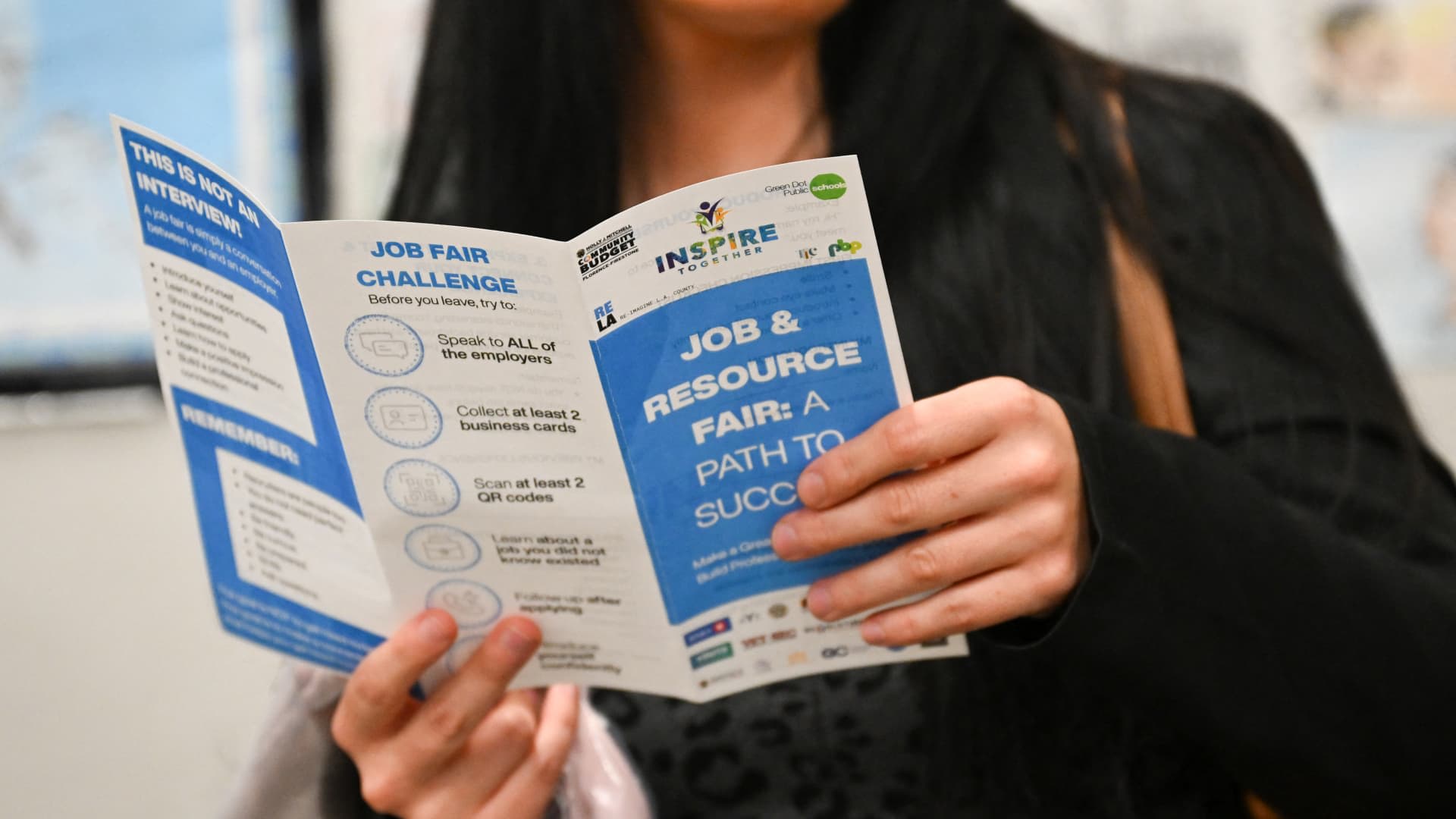
Visual evidence of these economic shifts can be found on the ground, such as at the Inspire Together job and resource fair in Los Angeles. The presence of job seekers utilizing services like free resume preparation highlights the competitive and challenging nature of the current job market. For the average worker, the data reflects a period of limited momentum—a market that is not necessarily deteriorating further, but one that is certainly not offering the aggressive growth seen in previous recovery phases.
Economic Projections and Future Trends
The consistency of the 4.2% unemployment rate suggests that the labor market has reached a plateau. If the July report confirms this slow pace of hiring, it may reinforce the narrative that the U.S. economy is entering a period of prolonged moderation. Investors and policymakers will be watching closely to see if this trend continues into the autumn, as the interplay between consumer demand, corporate hiring, and central bank intervention will likely define the economic landscape for the remainder of the year.