Jury discharged in Palestine Action Elbit raid trial
Source Entity
BBC News
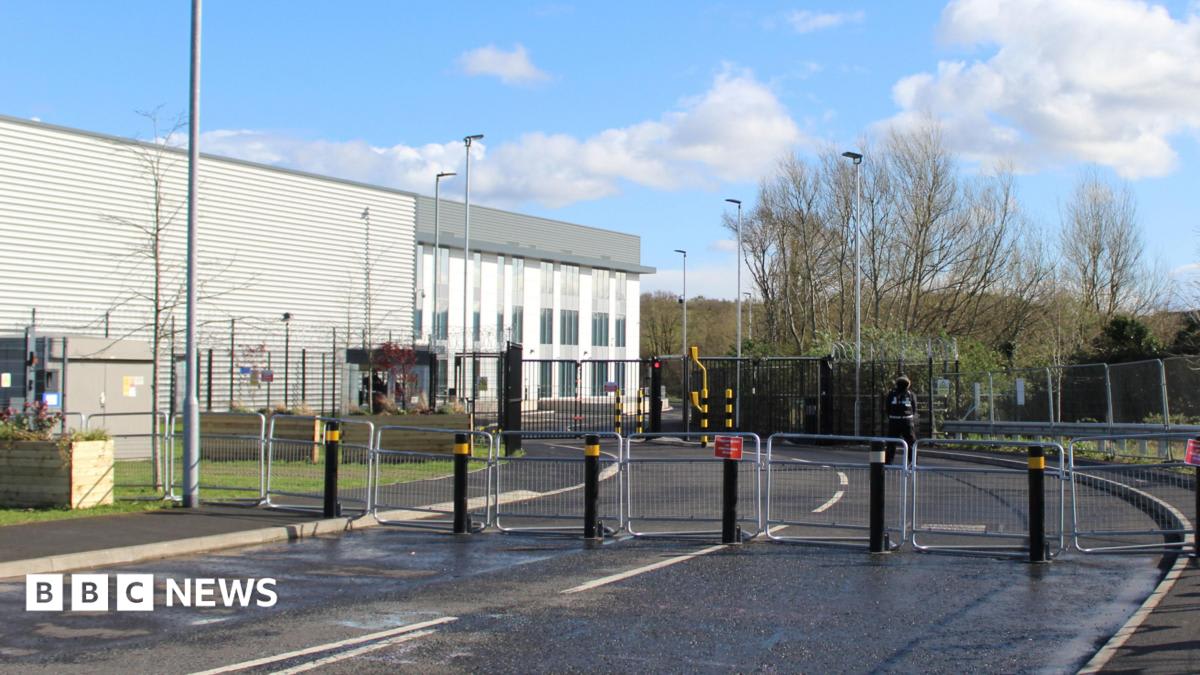
A jury at the Old Bailey has been discharged after 37 hours of deliberations in the trial of eight activists accused of organizing an August 2024 raid on Elbit Systems. The defendants faced charges including criminal damage and violent disorder, though the trial ended without a verdict.
Legal Standoff: Jury Discharged in Elbit Systems Activist Trial
The Collapse of Deliberations
In a significant development at the Old Bailey, Judge Patrick Field has officially discharged the jury following 37 hours of intensive deliberations. The jury was tasked with weighing the evidence against eight activists—Ian Sanders, Aleksandra Herbich, Teuta Hoxha, Sean Middleborough, Julija Brigadirova, Hannah Davidson, Madeleine Norman, and William Plastow—who were accused of orchestrating a raid on the UK facility of Elbit Systems, an Israel-based defense firm located in Filton, near Bristol.
Nature of the Charges
The legal proceedings, which commenced on June 22, centered on allegations of criminal damage and violent disorder. The prosecution’s case was notable for its focus on the organizational aspects of the protest; the court heard testimony that none of the eight defendants were physically present at the Elbit site during the August 2024 incident. Instead, they were alleged to have played key roles in planning or assisting the raid from external locations, raising complex questions regarding the legal thresholds for secondary liability in protest-related criminal activities.
Historical Context of Direct Action
This trial represents a growing trend of high-profile legal battles involving Palestine Action and their methods of targeting defense manufacturers. By focusing on the supply chains and physical infrastructure of companies like Elbit Systems, these activists aim to disrupt operations they deem complicit in international conflicts. The judicial system is increasingly forced to balance the right to protest against the protection of private property and public order, a tension that has become a defining feature of recent UK political discourse.
The Complexity of 'Violent Disorder'
The inclusion of 'violent disorder' charges underscores the severity with which the Crown Prosecution Service has approached these demonstrations. Notably, the trial saw a partial resolution for William Plastow, who was previously found not guilty of this specific charge. The inability of the jury to reach a consensus on the remaining charges highlights the polarized nature of these cases, where the definition of 'disorder' in the context of political activism is frequently contested by defense counsel.
Implications and Future Trends
The discharge of the jury without a verdict leaves the legal status of the defendants in a state of uncertainty. As the judiciary grapples with these cases, we can expect a continued debate over the limits of protest and the extent to which organizers can be held liable for the actions of those they inspire or coordinate. This case will likely serve as a reference point for future trials involving environmental and political activist groups, as the courts refine their approach to the intersection of civil disobedience and criminal law.