Virginia moves refuge parking lot 2.5 miles so dunes and saltmarsh can return
Source Entity
TOI WORLD DESK
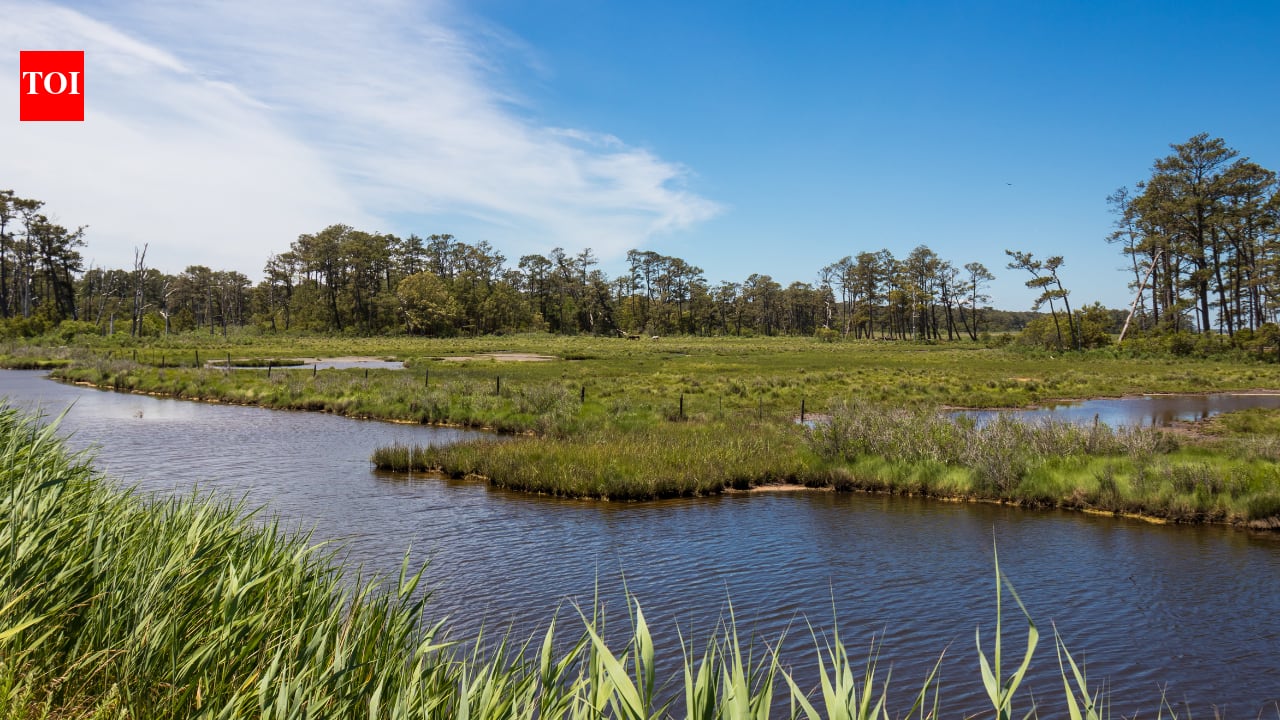
The Chincoteague National Wildlife Refuge is relocating its beach parking lot 2.5 miles north to avoid recurring storm damage. This project allows the original site to return to its natural state while ensuring long-term visitor access.
Strategic Managed Retreat at Chincoteague National Wildlife Refuge
Addressing the Vulnerability of Barrier Islands
The Chincoteague National Wildlife Refuge, located on a dynamic barrier island in Virginia, has long grappled with the inherent instability of its coastal geography. Barrier islands are naturally ephemeral, constantly reshaped by tides, currents, and severe weather events. The decision to relocate the refuge’s recreational beach parking lot 2.5 miles north marks a significant shift in land management strategy, moving away from reactive, high-cost repairs toward a proactive model of managed retreat.
The Catalyst: Lessons from the 2015 Storms
The impetus for this relocation stems from the catastrophic damage sustained during a severe 2015 storm. The event not only destroyed the existing parking infrastructure but also highlighted the futility of maintaining permanent concrete structures in a high-energy coastal zone. By choosing to move the facilities rather than rebuild in the same vulnerable spot, the U.S. Fish and Wildlife Service is acknowledging that some coastal areas are better left to the forces of nature than to human development.
Ecological Restoration and Natural Defense
Once the parking infrastructure is decommissioned at the former site, the refuge intends to allow the land to revert to its native ecosystem. This includes the restoration of dunes and saltmarshes, which are essential components of coastal resilience. These natural features act as buffers against storm surges and provide critical habitat for migratory birds and local wildlife. By removing the hardened surfaces of a parking lot, the refuge is effectively restoring a natural protective barrier that will benefit the island's long-term environmental health.
Economic Implications of Proactive Planning
Beyond the ecological benefits, this project is a fiscally responsible maneuver. Repeatedly repairing infrastructure damaged by flooding is an expensive, unsustainable cycle. By relocating to a more geologically stable position, the refuge expects to significantly reduce future maintenance costs. This transition demonstrates how public land managers can optimize limited budgets by aligning infrastructure development with the natural movement of the coastline.
Future Trends in Coastal Management
This project represents a growing trend in how coastal regions deal with climate-driven instability. As sea levels rise and storm frequency increases, the model of 'defending' the coast with static infrastructure is becoming increasingly untenable. Chincoteague’s approach offers a blueprint for other coastal managers, proving that visitor access can be maintained while simultaneously prioritizing the integrity of the natural landscape.
Conclusion
The relocation of the Chincoteague National Wildlife Refuge parking facilities is a pragmatic solution to a complex environmental challenge. By balancing the need for public recreation with the reality of a shifting, storm-prone coastline, the refuge is ensuring that both the visiting public and the local ecosystem can thrive for decades to come. This project serves as a model for sustainable coastal development in an era of environmental uncertainty.