3 Khasi Students' Union Leaders Sent To Jail Over Shillong Violence
Source Entity
NDTV News Search Records Found 1000
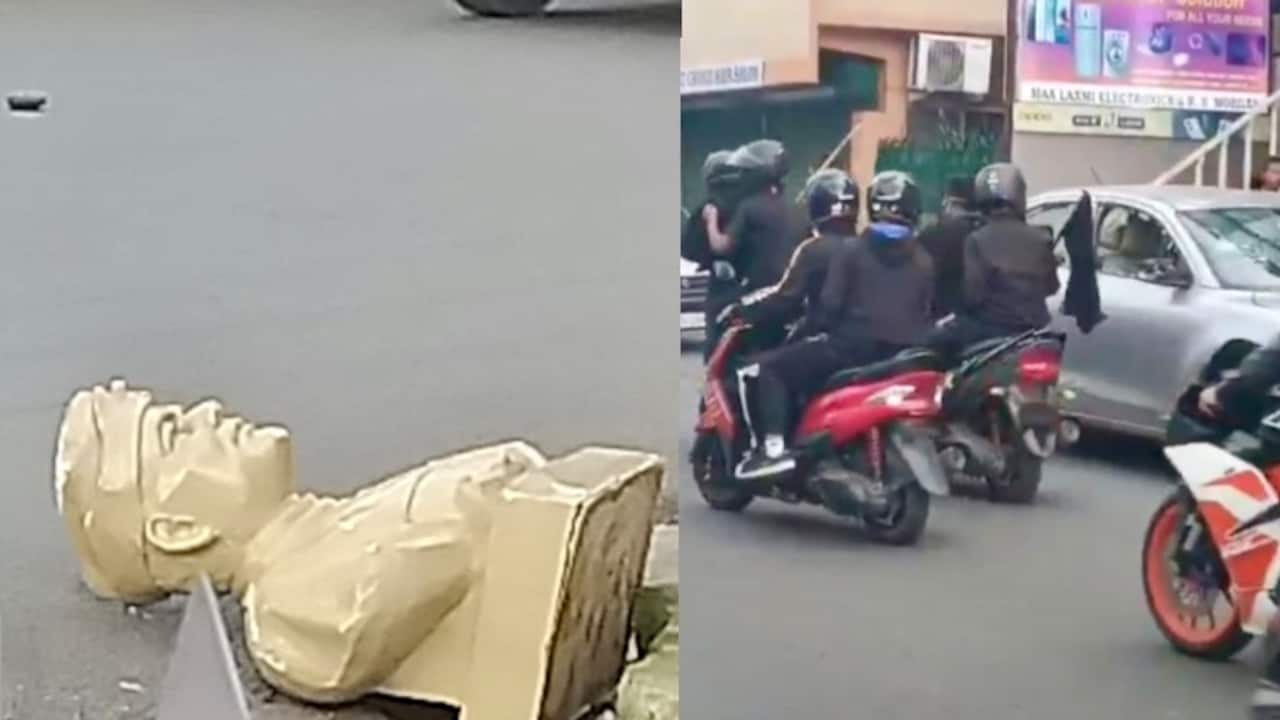
Three leaders of the Khasi Students' Union have been jailed following violence during a black-flag bike rally in Shillong. The incident involved the vandalism of historical statues and vehicle arson, leading to ongoing border tensions.
Tensions Escalate in Shillong Following KSU Rally Violence
The recent arrest of three leaders from the Khasi Students' Union (KSU) marks a significant turning point in the ongoing civil unrest within Shillong, Meghalaya. The arrests follow a volatile black-flag bike rally organized by the union, which descended into chaos, resulting in the destruction of public property and the desecration of revered historical figures.
Desecration of National Icons
Central to the public outcry is the vandalism of statues depicting Swami Vivekananda and Netaji Subhas Chandra Bose. These figures are not merely historical icons but are deeply embedded in the cultural and national identity of India. The destruction of these monuments during the KSU-led rally has transformed a localized protest into a matter of broader national concern, heightening sensitivities regarding regional identity versus national heritage.
The Mechanics of the Unrest
The violence was not limited to statue vandalism; reports confirm that several vehicles were torched, signaling a sharp escalation in tactical aggression during the protest. The use of a black-flag rally as a vehicle for such destructive behavior suggests a breakdown in the peaceful conduct of student-led demonstrations. The subsequent police action, resulting in the incarceration of three KSU leaders, represents an attempt by local authorities to restore order in a city currently grappling with high-stakes social friction.
Border Instability and Economic Impact
The repercussions of the Shillong rally have rippled beyond the city limits, manifesting as protests at the Assam-Meghalaya border. The emergence of a 'tit-for-tat' cab blockade indicates that the unrest has disrupted vital logistical routes, impacting the mobility and economic activities of citizens in both states. This border-centric tension highlights the fragility of inter-state relations when localized student movements trigger broader regional retaliation.
Future Implications and Social Stability
Looking forward, the situation remains precarious. The ongoing blockade suggests that the grievances driving the KSU rally have not been addressed, and the arrests may serve as a catalyst for further mobilization rather than a deterrent. Authorities face the complex challenge of balancing the right to protest with the urgent need to protect public property and maintain inter-state peace. The long-term stability of the region will likely depend on the success of de-escalation efforts and the ability of stakeholders to address the root causes of these protests without resorting to further violence.
Multiple Citing Sources
Verification Required?