JW PEI renames viral ‘maxi dress’ as ‘saree-inspired gown'
Source Entity
Latest News: Todays Latest News Headlines from India & World | Hindustan Times | Hindustan Times
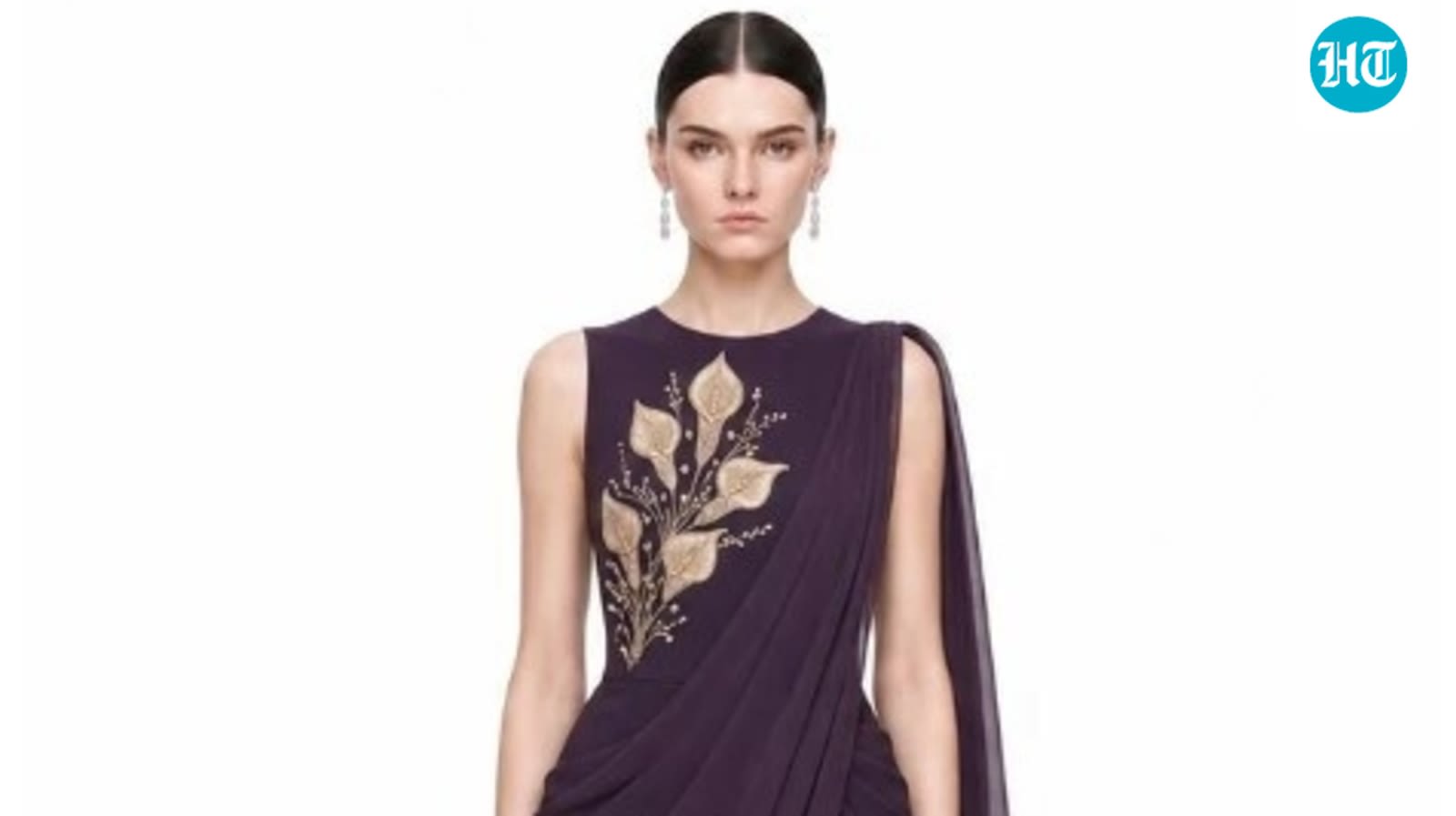
Los Angeles-based fashion brand JW PEI faced intense backlash for mislabeling a traditional saree as a 'maxi dress' on its website. The brand subsequently updated the listing to 'saree-inspired gown' following widespread criticism regarding cultural appropriation.
The Controversy of Cultural Erasure in Global Fashion
Recent events involving the Los Angeles-based fashion label JW PEI have ignited a firestorm across social media, centering on the ethics of cultural representation in the global marketplace. The brand initially listed a traditional, pre-draped navy blue saree—complete with its signature waist pleats and cascading pallu—as a "Botanical Embellished Draped Overlay Maxi Dress" with a price tag of approximately €199,95 (roughly ₹26,000). This deliberate stripping of the garment's cultural identity triggered an immediate and widespread backlash from the South Asian diaspora and fashion enthusiasts alike.
The Mechanics of Cultural Appropriation
At the heart of the outrage is the concept of cultural extraction. By marketing a heritage garment as a generic "maxi dress," the brand was perceived as attempting to make the piece more palatable or "marketable" to a Western audience while simultaneously erasing the historical and cultural labor of the communities that created it. Critics on platforms like Threads argued that this practice reflects a broader, systemic issue where traditional designs are co-opted for profit without acknowledging their origins, effectively sanitizing culture for consumer consumption.
The Power of Digital Accountability
This incident highlights the growing influence of digital activism in holding global brands accountable. The controversy gained significant momentum following a viral call-out by creator Arshia Moorjani and intense reporting by media outlets like HT City. The collective voice of Indian fashion designers and social media users forced the brand to address the erasure. This serves as a potent reminder that in the age of global e-commerce, brands are increasingly subject to the scrutiny of a connected, culturally conscious consumer base that demands authenticity and respect for traditional craftsmanship.
Corporate Response and the 'Saree-Inspired' Pivot
In response to the relentless criticism, JW PEI quietly updated its website listing to "Saree-Inspired Draped Gown." While this change marks a formal acknowledgment of the garment's South Asian roots, it has sparked further debate regarding the adequacy of such revisions. Critics argue that while the name change is a step toward transparency, the underlying issue of why the original "maxi dress" label was deemed appropriate in the first place remains a point of contention in the fashion industry.
Broader Implications for the Fashion Industry
This event is not an isolated incident but rather a symptom of a larger trend where heritage clothing is often rebranded under Western nomenclature to increase its perceived value in global markets. The incident underscores a critical need for fashion labels to engage in rigorous cultural due diligence before listing products that hold deep significance in other cultures. As consumers become more educated and vocal, the industry must pivot toward a model of appreciation rather than appropriation, ensuring that credit is given where it is due.
Conclusion: Moving Toward Ethical Fashion
The JW PEI saga serves as a case study for the modern fashion house. It demonstrates that the commodification of culture is no longer a passive process; it is one that invites immediate global feedback. Moving forward, the industry must prioritize cultural literacy as a core component of its design and marketing strategies to avoid the pitfalls of erasure and to foster a more inclusive, respectful global fashion ecosystem.
Multiple Citing Sources
Verification Required?