Man-eater leopard captured in Pune a month after woman’s death
Source Entity
The Indian Express
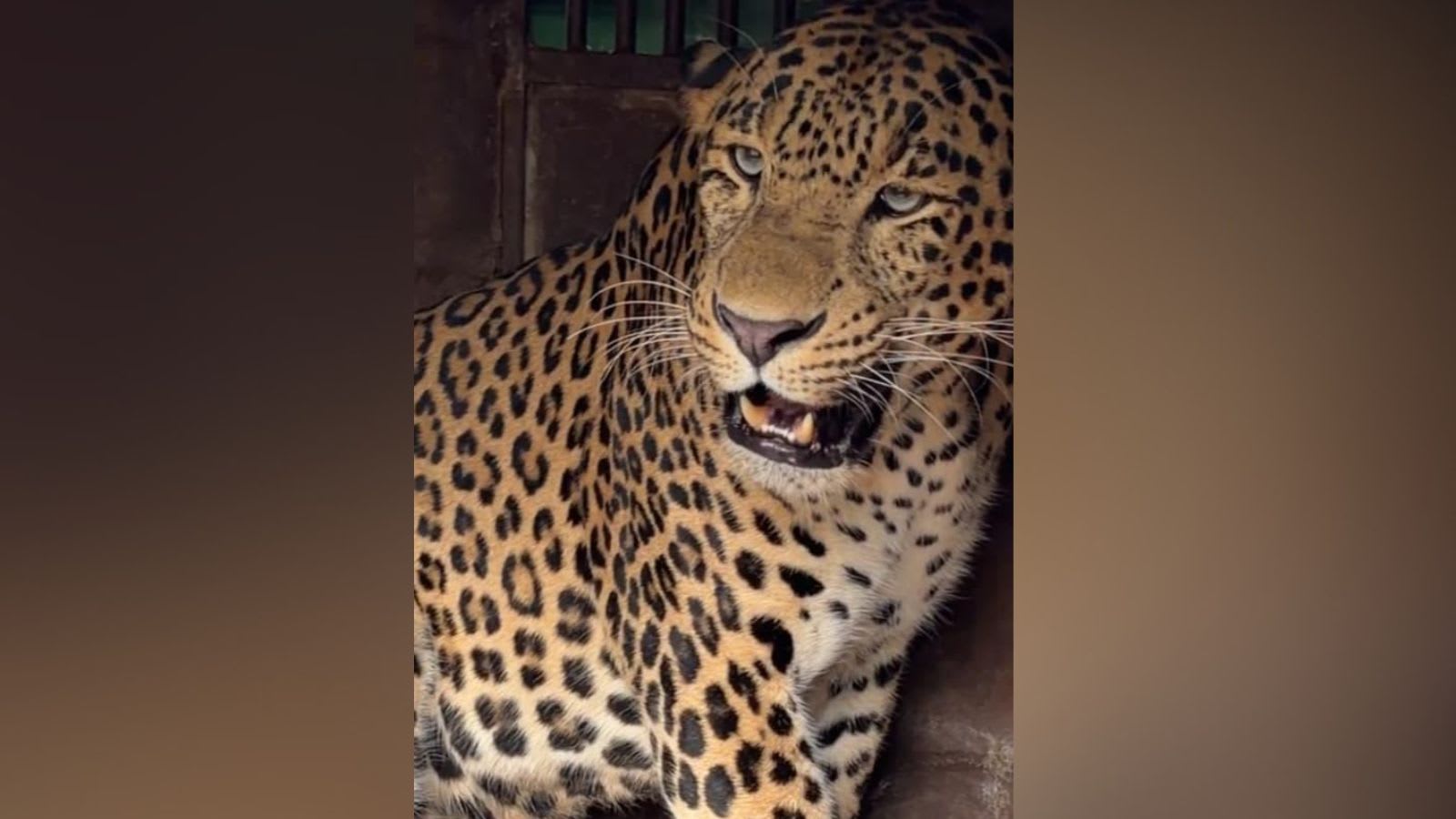
Maharashtra forest officials have successfully captured a man-eater leopard in Pune's Inamgaon area. The animal was linked to a fatal attack on a woman in Shirur last month and has been transferred to the Manikdoh Leopard Rescue Centre.
Leopard Captured in Pune Following Fatal Attack
Maharashtra forest officials have successfully concluded a month-long operation to capture a leopard identified as a 'man-eater' in the Pune district. The animal, which had been the subject of intense search efforts, was spotted at a farm owned by Shrinivas Ghadge in Nalgemala, Inamgaon, during the early hours of Saturday. The successful tranquilization and capture, which occurred at approximately 3:30 am, marks a significant turning point for the local community that has been living in fear.
Context of the Conflict
This operation follows a tragic incident exactly one month prior, where the leopard was implicated in the death of a woman in Pimpalsuti village, located in the Shirur region. The brutality of the attack served as a catalyst for widespread civil unrest in the area. The local populace, gripped by fear and frustration, responded to the incident by staging massive protests and road blockades, demanding immediate action from the forestry department to neutralize the threat posed by the predator.
Official Response and Containment
Range Forest Officer Nilkanth Gavhane confirmed that the specialized team utilized tactical observation to locate the animal before safely administering tranquilizers. By confirming the leopard's involvement in recent human attacks, officials were able to justify the removal of the animal from the wild habitat. Following its capture, the leopard was transported to the Manikdoh Leopard Rescue Centre in Junnar, a facility renowned for managing human-wildlife conflict cases and rehabilitating large carnivores.
Broader Implications of Human-Wildlife Conflict
This incident highlights the escalating tension between expanding human settlements and the territorial requirements of apex predators in Maharashtra. As agricultural activities and human infrastructure encroach further into traditional leopard habitats, the frequency of such encounters is likely to rise. The protests witnessed in Pimpalsuti underscore the urgent need for better wildlife management protocols, including advanced monitoring systems and public safety awareness programs to mitigate the risks of future encounters.
Future Trends and Conservation Challenges
Looking ahead, the challenge for forest authorities lies in balancing the ecological necessity of protecting leopard populations with the safety of residents in rural Pune. The successful capture and relocation of this specific animal provide temporary relief, but the underlying issue of habitat fragmentation remains. Future trends suggest that if local authorities do not implement more robust monitoring, such as early-warning sensor systems or improved fencing, human-leopard conflict will continue to strain the relationship between conservationists and the local farming communities.