Dismantling the Roadless Rule threatens to disrupt wildlife and water in US
Source Entity
Mariah Meek and Travis Belote, The Conversation
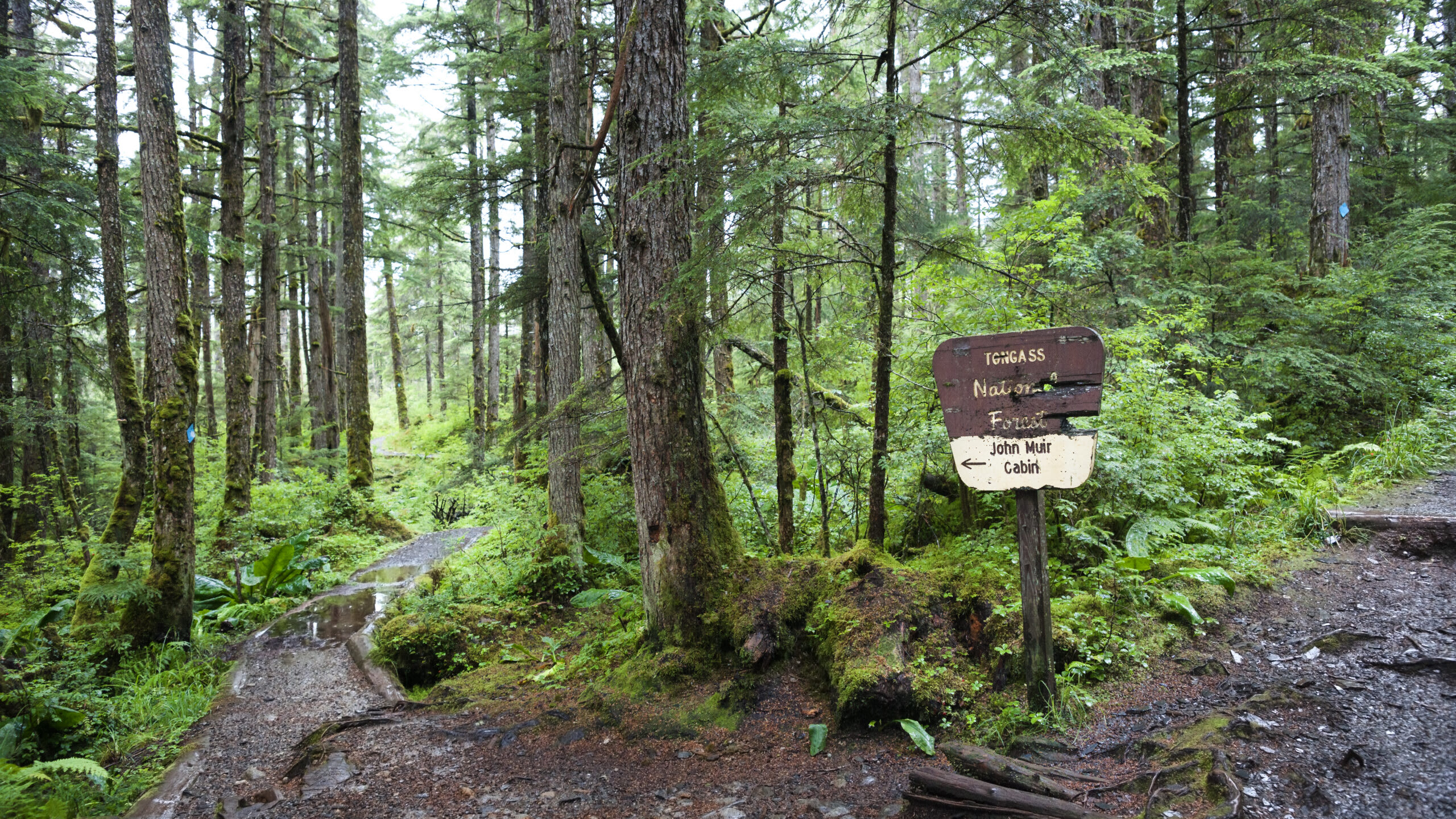
The Trump administration's proposal to roll back the 2001 Roadless Rule threatens the integrity of remaining pristine US wilderness areas. This policy shift risks significant ecological damage to habitats like Alaska’s Tongass National Forest, impacting wildlife and water resources.
The Erosion of America's Pristine Wilderness
The American landscape is defined by a dense tapestry of infrastructure, with over 4.2 million miles of public roads spanning the lower 48 states. This network is so extensive that it could reach the moon and back nearly nine times. Amidst this pervasive human development, only 5 percent of the contiguous United States remains as inventoried roadless areas or designated wilderness. These pockets of land represent the last vestiges of true wild, serving as critical buffers against environmental degradation and habitat fragmentation.
The 2001 Roadless Rule Under Siege
The 2001 Roadless Rule was established to protect these critical areas by limiting road construction and timber harvesting. By restricting access, the rule preserved the ecological integrity of millions of acres, ensuring that wildlife corridors remained intact and watersheds remained undisturbed. However, the current Trump administration’s proposal to rollback these protections marks a significant pivot in federal land management, prioritizing industrial access and resource extraction over the preservation of undisturbed ecosystems.
Ecological Risks in the Tongass National Forest
A primary focal point of this policy shift is the Tongass National Forest in southeast Alaska. As the largest national forest in the United States, the Tongass is a vital "old-growth" coastal forest that supports a complex web of life. Species such as eagles, salmon, and bears rely on this undisturbed environment to thrive. Introducing roads into these areas would not only fragment the habitat but could also lead to increased sedimentation in salmon-bearing streams, directly threatening the water quality and the survival of species that define the region’s biodiversity.
Broader Implications for Water and Wildlife
The implications of dismantling the Roadless Rule extend far beyond individual species. Roads act as conduits for pollutants, invasive species, and human encroachment, all of which disrupt the delicate balance of ecosystems. When forests are opened up to road construction, the natural filtration systems provided by old-growth vegetation are compromised, leading to increased runoff and potential degradation of drinking water sources. The cumulative impact of these small-scale road projects can lead to a systemic decline in the ecological services that these wild lands provide to the public.
Future Trends and Conclusion
If the rollback proceeds, the future of American conservation faces a period of heightened uncertainty. The removal of these protections sets a precedent that could lead to the gradual industrialization of the last remaining 5 percent of roadless areas. As the administration moves to rescind these regulations, the long-term trend suggests a shift toward resource development at the expense of permanent wilderness preservation. Protecting these areas is not merely an environmental preference but a necessity for maintaining the biological resilience of the United States.