Kalka-Shimla toy train tracks left hanging in air as soil beneath bridge washes away, service suspended
Source Entity
The Indian Express
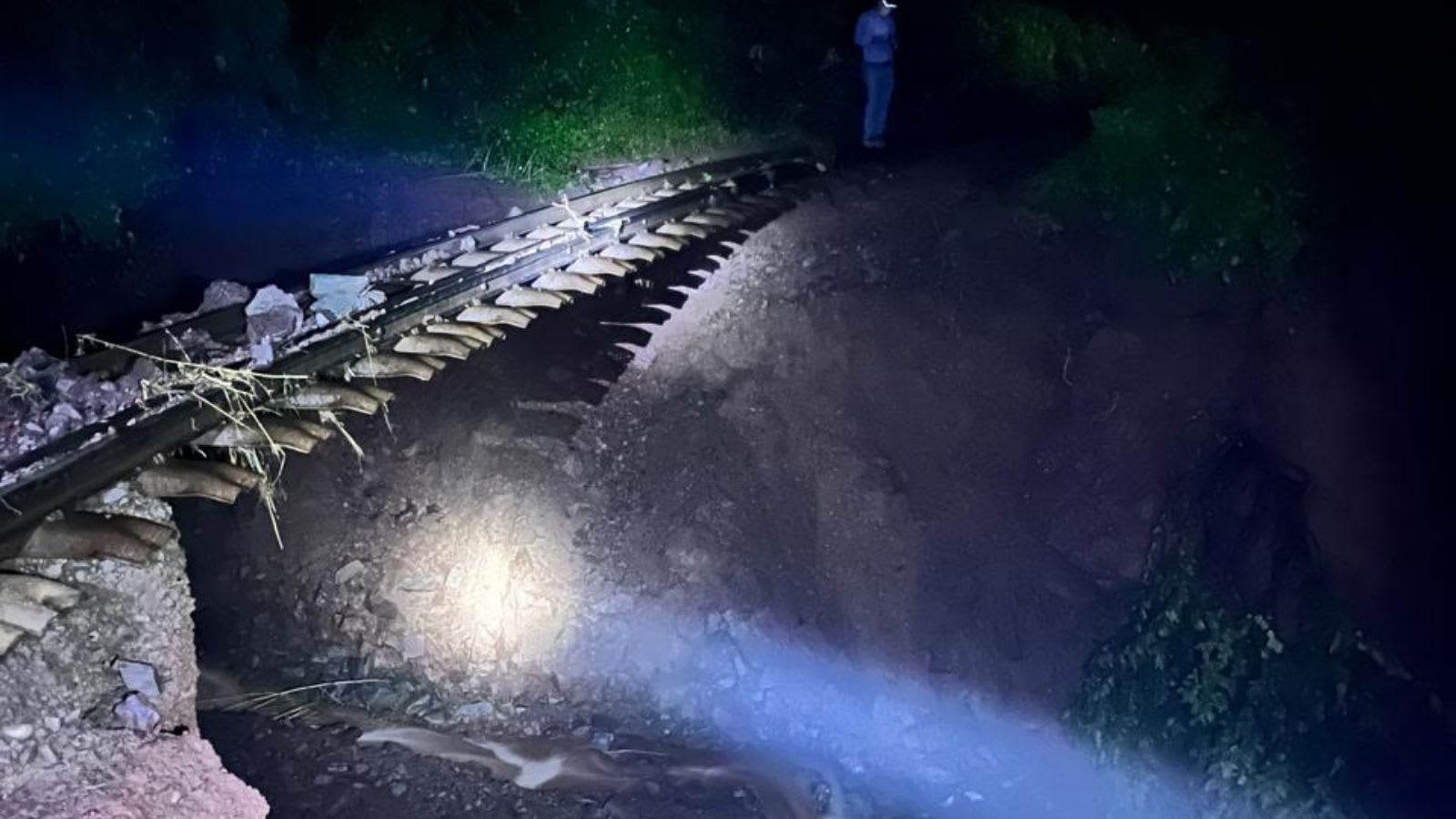
Heavy monsoon rains in Himachal Pradesh have caused severe soil erosion, leaving a section of the UNESCO-listed Kalka-Shimla heritage railway track suspended in mid-air. Authorities have cancelled ten trains and initiated emergency passenger rescue operations to ensure public safety.
Infrastructure Crisis on the UNESCO Heritage Route
The iconic Kalka-Shimla railway, a celebrated UNESCO World Heritage site known for its engineering marvels, is currently facing a critical infrastructure crisis. Following intense monsoon rainfall in Himachal Pradesh, a significant stretch of track between Koti and Gumman stations has been left suspended in the air. This occurred after the soil supporting approximately 10 to 15 meters of the track was washed away, rendering the line unsafe for passage and forcing immediate operational suspension.
Immediate Impact and Passenger Safety
The disruption resulted in the cancellation of ten train services, causing widespread inconvenience for travelers who had booked in advance. Railway authorities acted swiftly following the discovery of the damage at Bridge Number 57. Over 400 passengers were successfully rescued through alternative road transport arrangements, while several incoming trains—including those designated as 52456, 52452, 52460, and 52454—were short-terminated at Koti, Solan, and Dharampur Himachal to prevent further risk.
The Broader Monsoon Context in Himachal Pradesh
This incident is not an isolated event but rather symptomatic of a broader environmental challenge facing the state. Himachal Pradesh has experienced a devastating monsoon season, characterized by severe weather events that have led to over one hundred deaths and sixty-four major road closures across the state. The fragility of the mountainous terrain, combined with extreme precipitation, has placed immense strain on the state's transport network.
Engineering and Historical Significance
The Kalka-Shimla line, which was completed in 1903, represents a masterpiece of mountain railway engineering. However, maintaining such infrastructure in the face of modern climate volatility presents a daunting challenge. The current damage highlights the vulnerability of heritage structures that were built in a different era, now struggling to withstand the increasing frequency of extreme weather events associated with changing climate patterns.
Future Outlook and Maintenance Trends
Looking ahead, the Northern Railway faces the difficult task of restoring the track while ensuring the long-term stability of the surrounding slopes. Future trends suggest that heritage routes will require more advanced geological monitoring and reinforced soil engineering to prevent similar failures. As authorities wait for conditions to stabilize to perform repairs, the incident serves as a stark reminder of the delicate balance between preserving historical assets and ensuring modern public safety in a high-risk topography.