Where are Kannada cinema’s next stars?
Source Entity
India Latest News: Top National Headlines Today & Breaking News | The Hindu
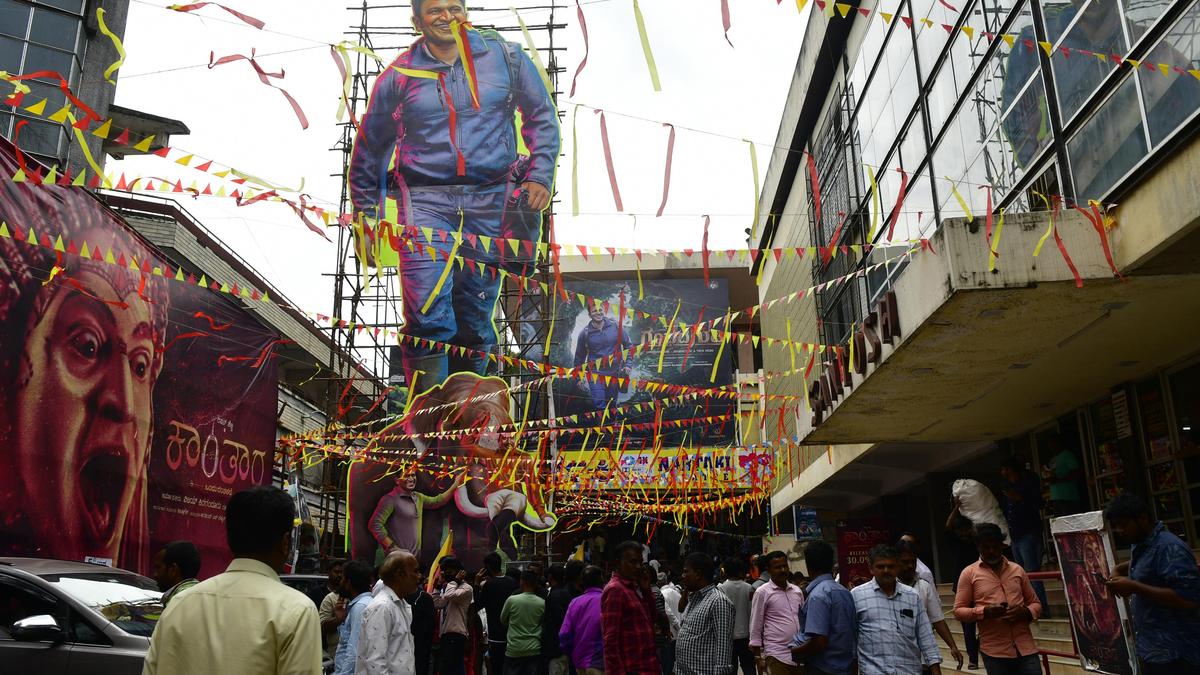
Kannada cinema faces a critical need to evolve beyond traditional male-centric narratives. The success of female-led films like 'Maa Inti Bangaaram' highlights a missed opportunity to leverage diverse talent and shifting audience preferences.
The Stagnation of Kannada Cinema: A Call for Structural Evolution
The landscape of regional Indian cinema is undergoing a seismic shift, yet Kannada cinema remains anchored in a traditionalist framework that prioritizes established male stars and formulaic storytelling. As observed on June 23, 2026, in Bengaluru, the enthusiastic reception of the Telugu film Maa Inti Bangaaram, starring Samantha Ruth Prabhu, serves as a stark contrast to the local industry’s current output. While Kannada audiences are actively seeking out high-octane, female-led entertainment, the local production ecosystem continues to lean heavily on 'macho' archetypes that are increasingly out of sync with contemporary viewership demands.
The 'Lady Superstar' Phenomenon and Box Office Realities
The massive success of Maa Inti Bangaaram, which has surpassed the ₹50 crore mark at the worldwide box office, underscores a vital market truth: audiences are hungry for dynamic female leads who can carry action, comedy, and stunts with equal proficiency. When a film sustains high occupancy rates on a Monday afternoon, it signals a level of commercial viability that many Kannada productions struggle to replicate. The industry's failure to cultivate or invest in similar star power for female performers represents a significant missed opportunity in terms of both cultural relevance and revenue generation.
Underutilization of Talent and the Gender Gap
A recurring critique within the industry is the persistent lack of stories told from a woman’s perspective. Kannada cinema possesses a wealth of gifted female performers; however, these actors are frequently relegated to supporting roles rather than being positioned as the primary drivers of a narrative. This systemic underutilization is not merely an artistic oversight but a strategic miscalculation. By failing to provide platforms for female-led stories, the industry inadvertently limits its own scope and alienates a significant portion of its demographic that is clearly demonstrating a preference for more diverse representation.
Challenges to Industry Growth
Beyond the gender imbalance, the industry is grappling with broader structural issues, such as the rise of paid reviews, which complicates the genuine gauging of audience sentiment. This 'new headache' suggests an industry struggling to maintain authenticity in a digital age. When marketing tactics overshadow the need for substantive, fresh storytelling, the disconnect between the screen and the audience grows. The reliance on 'tried-and-true' heroes is becoming a crutch that prevents the emergence of a new generation of talent capable of steering the industry toward a more inclusive future.
Future Trends and the Need for Evolution
For Kannada cinema to remain competitive in a pan-Indian market, it must evolve. The path forward requires a deliberate pivot toward diversifying narratives and empowering creators who can offer fresh perspectives. If the industry continues to ignore the success of films like those featuring Samantha Ruth Prabhu, it risks becoming a legacy industry rather than a vibrant, growing one. The audience has already signaled its readiness for change; the question remains whether the production houses and creative leads in Bengaluru are willing to shed their traditionalist armor to embrace a more equitable and innovative cinematic era.
Verification Required?