'File Defamation Case If Report Untrue': Kapil Sibal On Election Commission Dissent Row
Source Entity
NDTV News Search Records Found 1000
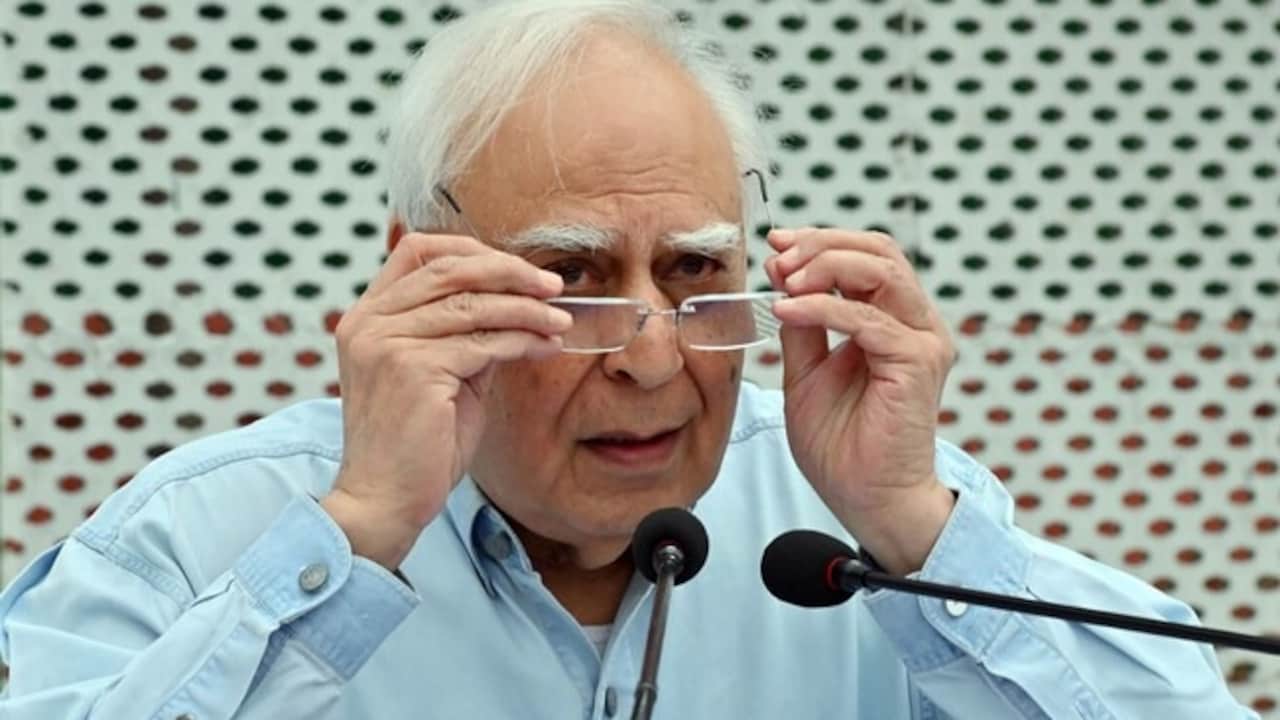
Senior advocate Kapil Sibal has challenged the Election Commission regarding alleged irregularities in the Systematic Voters' Education and Electoral Participation (SVEEP) data. He has urged the Supreme Court to intervene and suggested that defamation proceedings should be initiated if the reports are proven false.
The SVEEP Controversy: A Legal and Electoral Challenge
Recent statements by senior advocate Kapil Sibal have brought a spotlight onto the Election Commission of India (ECI) regarding alleged irregularities in the Systematic Voters' Education and Electoral Participation (SVEEP) program. By calling for the Supreme Court to take formal notice of these discrepancies, Sibal has escalated a simmering debate over the transparency and integrity of electoral data management in the country.
The Call for Judicial Oversight
Kapil Sibal’s intervention suggests that the current mechanisms for internal audit or public clarification by the ECI may be insufficient to address growing public and political skepticism. By explicitly requesting the Supreme Court to investigate the alleged irregularities in the SIR (SVEEP-related reports), he is positioning the judiciary as the ultimate arbiter of electoral data accuracy. This move underscores a broader tension between constitutional bodies regarding the oversight of administrative processes during election cycles.
The Defamation Ultimatum
In a pointed remark, Sibal stated, 'File a defamation case if the report is untrue,' effectively throwing down a gauntlet to the Election Commission. This challenge is significant because it shifts the burden of proof. Rather than dismissing claims of irregularity as mere political rhetoric, Sibal is pushing for a formal legal engagement that would require the ECI to verify the data in a court of law, thereby forcing a public record of the truth or falsity of the allegations.
Implications for Electoral Integrity
The SVEEP program is designed to increase voter awareness and participation, yet it has now become a focal point for institutional scrutiny. If the data underlying these reports is found to be flawed, it could undermine public trust in the ECI’s ability to manage electoral infrastructure. The demand for judicial intervention reflects a growing trend where political actors seek to use the courts to ensure that administrative electoral data remains beyond reproach.
Historical Context and Future Trends
Historically, the ECI has enjoyed a high degree of autonomy and public trust; however, recent years have seen increased scrutiny of its methodologies. The push for greater transparency in how voter data is collected and reported is likely to become a permanent feature of Indian electoral discourse. Moving forward, we can expect that any discrepancy in electoral reporting will be met with immediate legal challenges, forcing the ECI to adopt more rigorous, perhaps even real-time, transparency standards to avoid such controversies.
Conclusion
Kapil Sibal's call for the Supreme Court to intervene in the SVEEP irregularities highlights the critical need for absolute precision in electoral reporting. Whether these allegations lead to a high-profile legal battle or a comprehensive internal audit, the outcome will undoubtedly impact the relationship between the ECI and the political class, setting a new precedent for institutional accountability in the Indian democratic process.
Verification Required?