Karnataka Cabinet approves Agritech Mission 2026, 15,000 teacher recruitment, AI centre and major development projects
Source Entity
Latest News: Today's Latest News Headlines from India & World | Hindustan Times | Hindustan Times
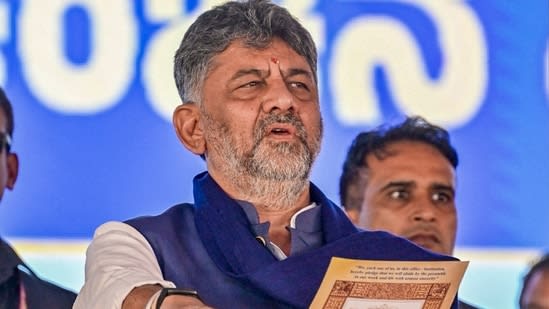
The Karnataka Cabinet has approved the Agritech Mission 2026, the recruitment of 15,000 teachers, and the establishment of an AI centre. Additionally, CM D K Shivakumar announced various welfare schemes and infrastructure projects for the state.
Comprehensive Analysis of Karnataka Cabinet's Strategic Development Initiatives
In a significant move toward state-wide modernization and social upliftment, the Karnataka Cabinet, led by Chief Minister D K Shivakumar, has ratified a series of high-impact decisions. These measures span several critical sectors, including agriculture, education, technology, and social welfare. The breadth of these approvals suggests a governance strategy aimed at balancing rapid technological advancement with grassroots infrastructure development and administrative accountability.
Transforming Agriculture via Agritech Mission 2026
The approval of the Karnataka Agritech Mission 2026 represents a pivotal shift toward precision farming and data-driven agriculture. By integrating technology into the farming ecosystem, the state aims to increase crop yields, optimize resource usage, and mitigate the risks associated with climate volatility. Historically, Karnataka has been a leader in diverse crop production, and this mission is likely to introduce IoT-based monitoring and AI-driven soil analysis to empower farmers. The long-term implication is a transition from traditional subsistence farming to a more sustainable, commercially viable agritech economy that can attract private investment and reduce post-harvest losses.
Strengthening Human Capital through Education and AI
One of the most immediate impacts of the Cabinet's decisions is the sanctioning of 15,000 new teacher recruitments. This move addresses a critical gap in the state's education system, aiming to improve the teacher-student ratio and enhance the quality of primary and secondary schooling. Parallel to this investment in traditional education is the establishment of a new AI centre. Given Karnataka's status as India's technology hub, particularly with Bengaluru, this center is poised to foster research and development in artificial intelligence. By combining a strengthened teaching workforce with cutting-edge AI infrastructure, the government is positioning the state to cultivate a future-ready workforce capable of competing in a global digital economy.
Holistic Infrastructure and Social Welfare
The government has also prioritized inclusive growth through approved welfare initiatives for backward classes and nomadic communities. These measures are essential for bridging the socio-economic divide and ensuring that marginalized groups have access to state resources. Furthermore, the clearance of new medical infrastructure, irrigation, and road development projects indicates a focus on the 'last-mile' delivery of basic services. Improved irrigation is particularly crucial for the success of the Agritech Mission, while enhanced road networks will facilitate better market access for rural produce and improved emergency response times for the new medical facilities.
Administrative Integrity and Governance
Beyond developmental projects, the Cabinet has addressed critical governance issues. The ratification of the Governor's suspension of the Karnataka Public Service Commission (KPSC) Chairman Shivashankarappa S Sahukar signals a commitment to maintaining the integrity of the state's recruitment processes. Additionally, CM D K Shivakumar's clarification regarding the SIR process—stating that officers are functioning under the command of the Election Commission (EC) without government interference—emphasizes a respect for democratic autonomy and the neutrality of electoral machinery. This transparency is vital for maintaining public trust in state institutions during sensitive political cycles.
Conclusion and Future Outlook
The collective decisions of the Karnataka Cabinet reflect a multi-dimensional approach to governance. By simultaneously investing in the 'old economy' (irrigation, roads, and basic education) and the 'new economy' (Agritech and AI), the state is attempting a balanced leap forward. If implemented effectively, these initiatives will likely result in improved agrarian productivity, a more skilled youth population, and a more equitable distribution of wealth and services across different social strata. The success of these projects will depend on the efficiency of the bureaucratic execution and the seamless integration of technology into the rural landscape.
Verification Required?