Southern states deserve fairer share of national wealth based on earnings: Karnataka Chief Minister D.K. Shivakumar
Source Entity
India Latest News: Top National Headlines Today & Breaking News | The Hindu
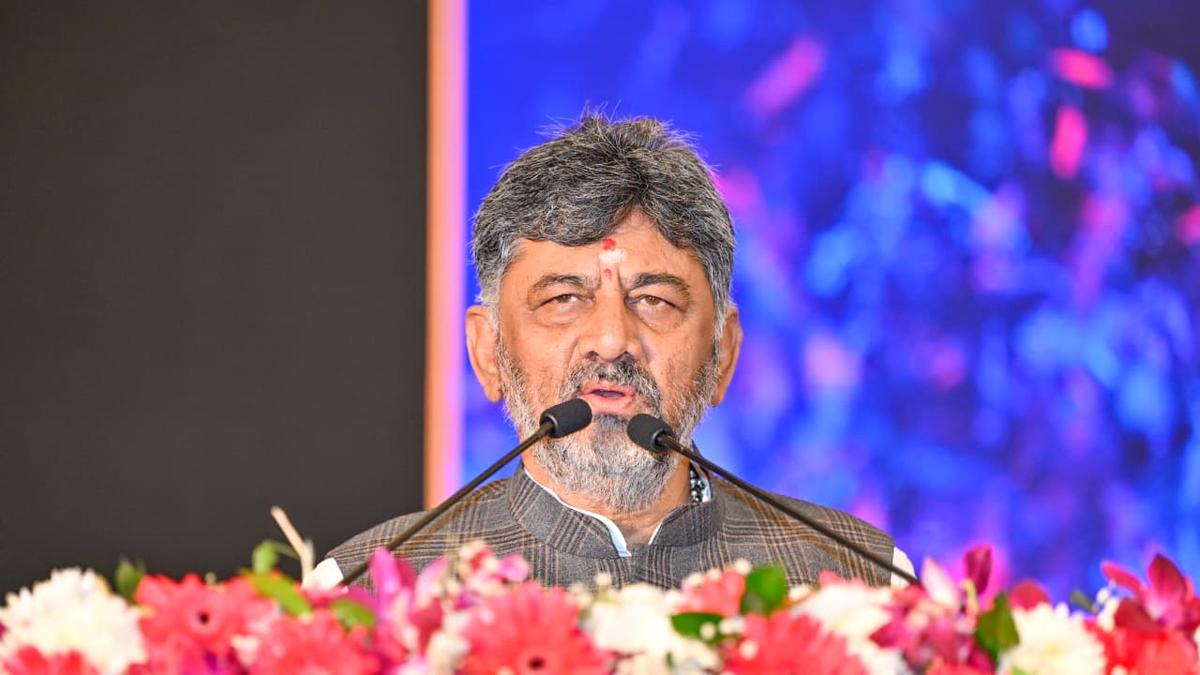
Karnataka CM D.K. Shivakumar has advocated for a more equitable distribution of national resources, citing the state's significant tax contributions. He also warned that aggressive regulatory enforcement is prompting high-net-worth individuals to relocate abroad.
The Call for Fiscal Federalism in India
Karnataka Chief Minister D.K. Shivakumar’s recent address at the ICAI conference in Bengaluru has reignited a critical debate regarding fiscal federalism in India. By asserting that southern states, particularly Karnataka, deserve a fairer share of national resources, he has highlighted the growing tension between the economic engines of the nation and the mechanisms of central revenue redistribution. As one of India's largest taxpayers and a primary hub for exports and technology, Karnataka’s demand underscores the perceived imbalance between the tax revenue generated by industrialized states and the support they receive in return.
Economic Contribution vs. Resource Allocation
Historically, the southern states have been drivers of India’s economic narrative, consistently ranking high in GST collections and industrial output. Mr. Shivakumar’s argument is rooted in the principle that states contributing significantly to the national exchequer should have a greater say in how those resources are utilized to foster further development. This friction is not new, but it is intensifying as the economic gap between various regions of the country becomes more pronounced, leading to calls for a reform in how the Finance Commission allocates funds.
The Impact of Regulatory Enforcement
Beyond fiscal policy, Mr. Shivakumar raised a poignant concern regarding the current business climate: the impact of aggressive enforcement actions on high-net-worth individuals (HNIs). He cautioned that the perception of excessive regulatory pressure is driving wealthy businesspersons to seek residency or citizenship in other countries. This phenomenon, often referred to as 'wealth flight,' poses a long-term risk to India’s capital retention and domestic investment landscape, as these individuals are often the primary drivers of job creation and industrial innovation.
Balancing Compliance and Business Sentiment
While regulatory compliance is a cornerstone of a healthy democracy, the Chief Minister’s remarks suggest a need for a more balanced approach that does not stifle entrepreneurship. The challenge for policymakers is to maintain strict adherence to law while ensuring that the regulatory environment remains conducive to growth. If the business community perceives that the cost of compliance includes the risk of undue harassment, the resulting capital flight could have significant repercussions for India's broader macroeconomic stability.
Future Implications for India's Growth
As India aims to become a global economic powerhouse, the synergy between state governments and the central authority will be paramount. The concerns voiced by the Karnataka government are reflective of a broader need for a collaborative model that respects the contributions of high-performing states while addressing regional disparities. Moving forward, the national discourse will likely focus on how to incentivize economic productivity at the state level while safeguarding the interests of the business ecosystem against over-regulation.
Conclusion
In summary, D.K. Shivakumar’s address serves as a multifaceted critique of current fiscal and regulatory paradigms. By linking the demand for equitable resource distribution with the necessity of a business-friendly environment, he has identified two critical pillars of India’s future development. Whether these concerns will lead to a shift in policy remains to be seen, but they undoubtedly form a central component of the ongoing conversation regarding the future of India's federal structure.
Verification Required?