Farmers demand water from Bhadra reservoir for plantations
Source Entity
India Latest News: Top National Headlines Today & Breaking News | The Hindu
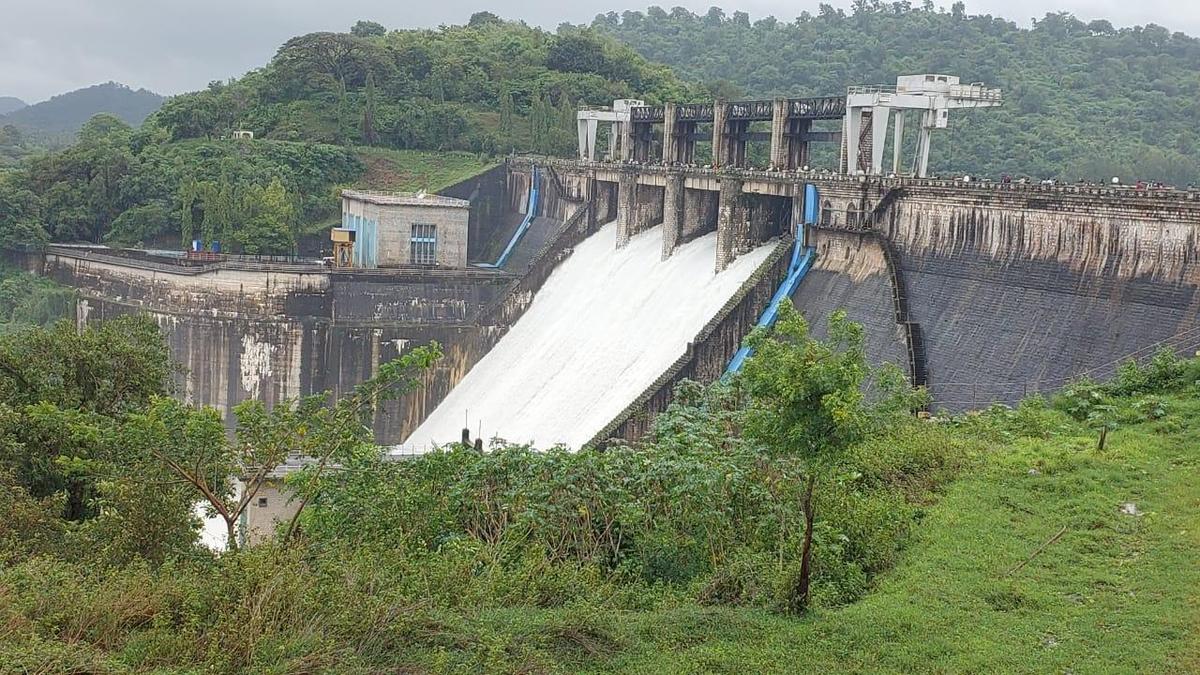
The Karnataka Rajya Raitha Sangha and Green Brigade have urged Deputy CM D.K. Shivakumar to release water from the Bhadra reservoir for plantation crops. They argue that current storage levels are sufficient to support irrigation during the ongoing drought.
Urgent Demands for Water Release in Karnataka
The Karnataka Rajya Raitha Sangha and the Green Brigade have formally petitioned Deputy Chief Minister D.K. Shivakumar to initiate an immediate release of water from the Bhadra reservoir. This request stems from a critical need to sustain plantation crops that are currently threatened by severe drought conditions. The request highlights the precarious balance between agricultural preservation and water resource management in the region.
Current Reservoir Status and Capacity
According to H.R. Basavarajappa, the State president of the Sangha, the Bhadra reservoir currently holds a total of 55.734 tmcft of water. After accounting for essential dead storage and allocating 7 tmcft specifically for drinking water requirements, the organization estimates that approximately 33 tmcft remains available for irrigation purposes. This data point is central to the farmers' argument that a release is not only necessary but logistically feasible without compromising essential water security.
Irrigation Infrastructure and Distribution
The proposal suggests channeling this water through the Left Bank, Right Bank, and Gondi canals. By utilizing this existing infrastructure, the farmers believe the government can effectively reach the command area where crops are currently struggling. The systematic distribution of these 33 tmcft would provide a vital lifeline to growers who are facing the prospect of significant economic losses due to the lack of rainfall and soil moisture.
Broader Implications for Agriculture
This situation underscores the growing vulnerability of Karnataka’s agrarian sector to climate-induced water scarcity. Plantation crops often require consistent irrigation cycles to remain productive, and prolonged drought can lead to long-term damage that extends beyond a single harvest season. The agitation by the Sangha reflects a broader trend of farmers increasingly relying on government intervention to manage reservoir levels as traditional water sources dry up.
Planning for Future Summer Cycles
Beyond the immediate request, the agricultural unions have emphasized the need for a long-term strategy. Specifically, they are calling for the government to ensure a consistent water supply for a 100-day period in the upcoming summer. This proactive request highlights the necessity of early planning to prevent the total failure of agricultural yields, which are a cornerstone of the regional economy.
Conclusion and Future Outlook
As the administration reviews these demands, the decision will hinge on balancing the immediate needs of the farming community with the long-term conservation of the Bhadra reservoir. Should the government move forward with this release, it may provide a temporary reprieve for the affected farmers. However, the recurring nature of these crises suggests that sustainable water management policies will remain a critical political and social issue in Karnataka for the foreseeable future.
Verification Required?