Karnataka High Court: Can governor suspend KPSC chief before presidential reference?
Source Entity
Mustafa Plumber
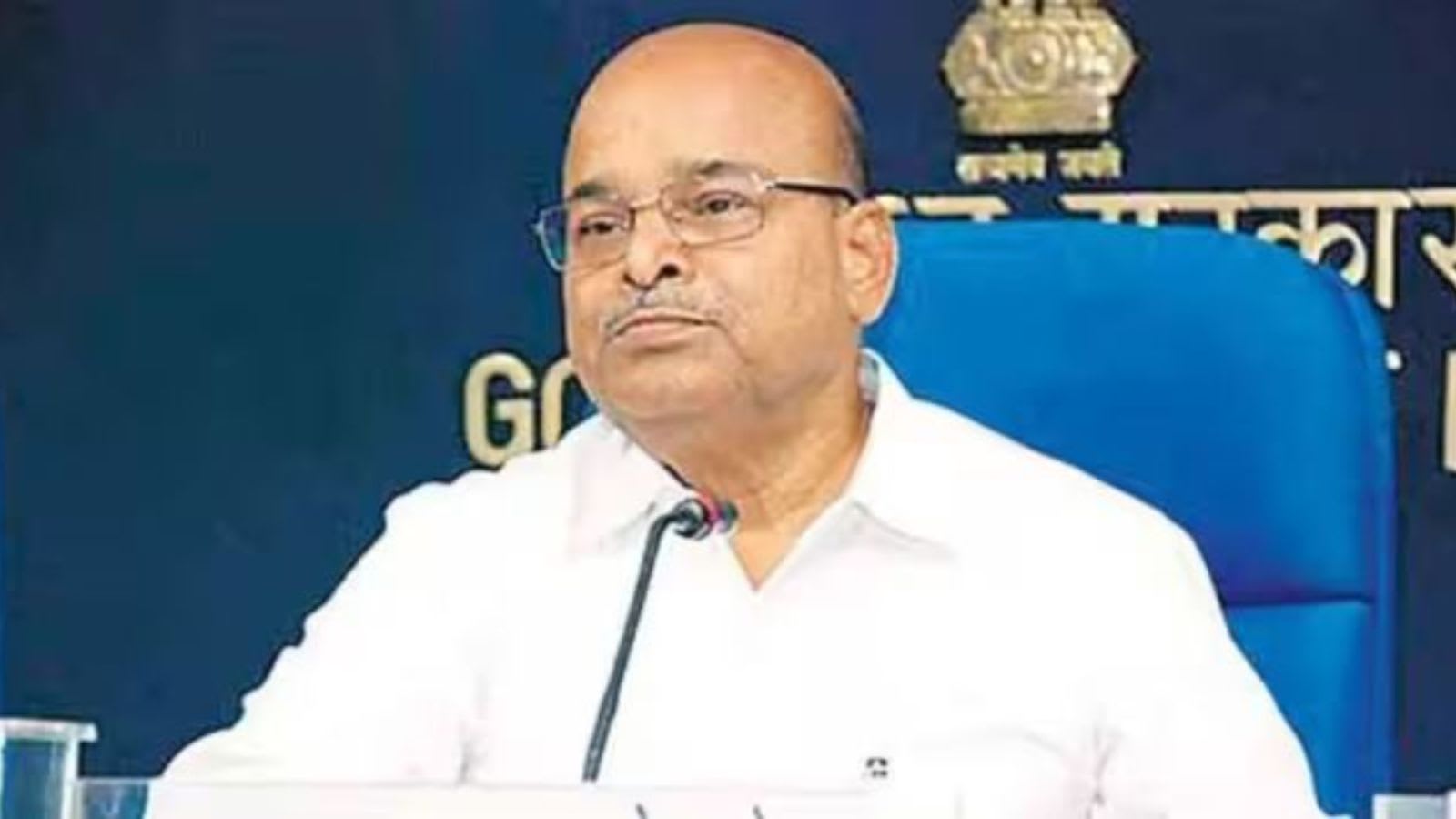
Shivashankarappa S Sahukar has challenged his suspension as the Chairman of the Karnataka Public Service Commission (KPSC) in the Karnataka High Court, questioning the legality of Governor Thawarchand Gehlot's action prior to a presidential reference.
Constitutional Conflict: The Suspension of the KPSC Chairman
In a significant legal challenge that touches upon the intersection of gubernatorial authority and constitutional safeguards, Shivashankarappa S Sahukar has approached the Karnataka High Court. The petition challenges the decision of Governor Thawarchand Gehlot to suspend Sahukar from his position as the Chairman of the Karnataka Public Service Commission (KPSC). The central legal question before the court is whether the Governor possesses the unilateral power to suspend the head of a constitutional body before a formal reference has been made to the President of India, a procedure typically mandated for the removal of such high-ranking officials.
The Role of the KPSC and Constitutional Protections
To understand the gravity of this case, it is essential to recognize the role of the Karnataka Public Service Commission. As a constitutional body, the KPSC is tasked with the critical responsibility of recruiting civil servants to ensure meritocracy and neutrality within the state administration. To protect the commission from political interference, the Indian Constitution provides stringent protections for its members. Under Article 317, the removal or suspension of a member or the chairman of a Public Service Commission is not a simple administrative act but a quasi-judicial process that generally requires the President's involvement, ensuring that officials are not removed based on the whims of the state executive.
Analyzing the Governor's Authority vs. Due Process
The core of the dispute lies in the timing and nature of the Governor's action. By suspending the Chairman before the presidential reference was initiated, the Governor's office has effectively bypassed a critical check-and-balance mechanism. The petitioner argues that such a move is an overreach of power and a violation of the principles of natural justice. If the Governor can suspend a constitutional head without following the prescribed presidential route, it creates a precarious precedent where the independence of the KPSC could be compromised, potentially leaving the commission vulnerable to political pressure from the state government or the Raj Bhavan.
Broader Implications for Administrative Independence
This case is not merely about one individual's tenure but about the institutional integrity of state-level constitutional bodies. If the High Court rules in favor of the Governor, it could broaden the interpretation of gubernatorial discretionary powers, potentially weakening the security of tenure for other constitutional appointees. Conversely, a ruling in favor of Sahukar would reinforce the sanctity of Article 317 and reaffirm that the President of India remains the ultimate authority in the removal of PSC heads, thereby shielding the recruitment process from local political volatility.
Historical Context of Gubernatorial Friction
Historically, the role of the Governor in India has often been a flashpoint for conflict between the elected state government and the central government's representative. While the Governor acts on the aid and advice of the Council of Ministers, their discretionary powers—especially regarding the removal of officials—have frequently been litigated. This specific instance in Karnataka mirrors a broader national trend where the boundaries of the Governor's authority are being tested in courts, reflecting a systemic tension between state autonomy and federal oversight.
Future Trends and Legal Precedents
The outcome of this petition is expected to set a vital precedent for administrative law in Karnataka and potentially across other states. Legal experts suggest that the court will likely scrutinize the 'rules of business' and the specific wording of the Constitution to determine if 'suspension' is distinct from 'removal' in a way that allows the Governor to act preemptively. Future trends indicate an increasing judicial inclination to protect the independence of constitutional bodies from executive overreach, suggesting that the court may demand a strict adherence to the presidential reference process.
Summary
The legal battle between Shivashankarappa S Sahukar and Governor Thawarchand Gehlot represents a critical test of constitutional law. By questioning the legality of a suspension that preceded a presidential reference, the case highlights the delicate balance between executive power and the independence of the KPSC. The Karnataka High Court's decision will ultimately determine whether the safeguards provided under Article 317 are absolute or if the Governor holds sufficient discretionary power to intervene in the tenure of constitutional heads.