Karnataka tests petrol samples at 67 locations over ethanol blending complaints: CM Shivakumar
Source Entity
India Latest News: Top National Headlines Today & Breaking News | The Hindu
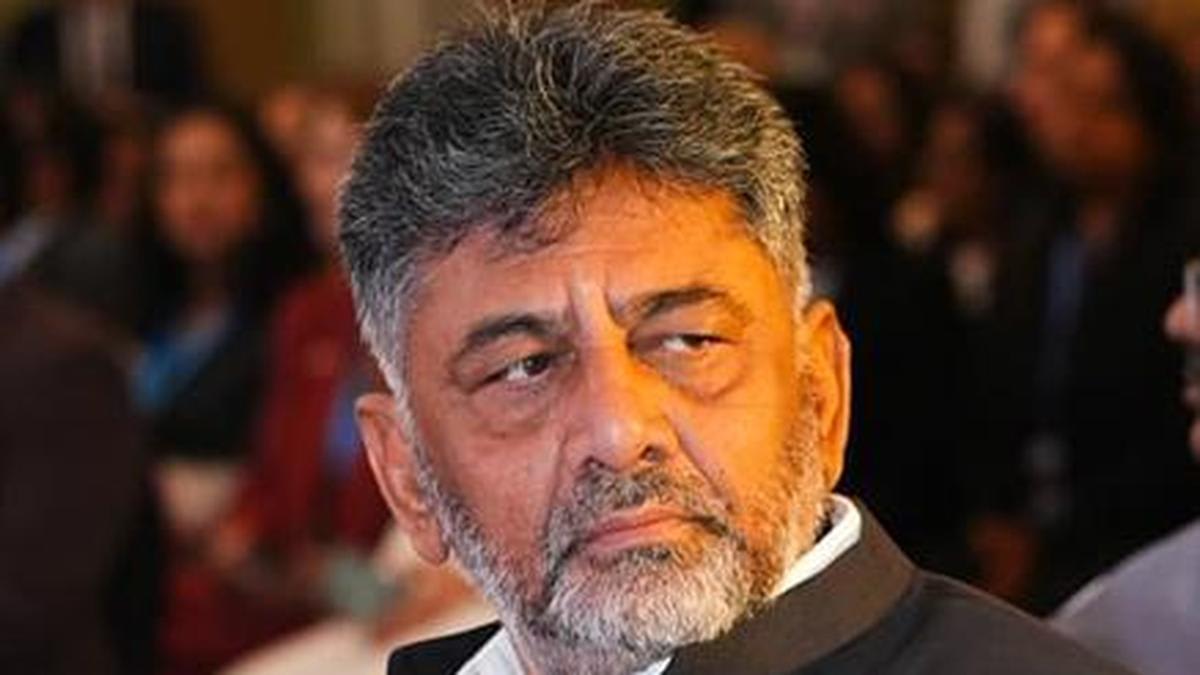
Karnataka and Kerala have launched investigations into fuel quality following reports of unauthorized ethanol blending exceeding the 20% limit. Officials allege some samples contained up to 31.5% ethanol, causing widespread vehicle performance issues.
Ethanol Blending Controversy: A Crisis of Fuel Quality
The Allegation of Excess Ethanol
Recent developments in Karnataka and Kerala have brought the national ethanol-blending program under intense scrutiny. Karnataka Chief Minister D. K. Shivakumar recently announced that the state government has conducted inspections at 67 locations, including petrol pumps and distribution centers. These actions were prompted by widespread complaints from thousands of motorists who reported significant vehicle issues, including reduced mileage, unexpected engine stalls, and failure to meet standard performance benchmarks. The core of the accusation is that some fuel samples tested in Karnataka contained as much as 31.5% ethanol, far exceeding the government-mandated limit.
Official Stance and Verification Efforts
Minister Rizwan Arshad, overseeing Food, Civil Supplies, and Consumer Affairs, has doubled down on these findings. The state government maintains that it followed rigorous, standardized testing protocols when analyzing 63 samples collected from across Karnataka. By publicizing these findings, the state is effectively challenging Oil Marketing Companies (OMCs) to provide transparency regarding their blending practices. Arshad has criticized these companies for allegedly evading accountability, urging them to justify the discrepancy between the claimed blend and the tested reality.
Regional Expansion and Regulatory Oversight
Recognizing the potential for a regional crisis, the government of Kerala has mirrored Karnataka’s actions. Following the reports from its neighboring state, the Kerala administration launched its own series of inspections and sample testing across select districts. This move is a precautionary measure to verify if the alleged malpractice—selling fuel with ethanol content exceeding the 20% threshold prescribed by the Union Ministry of Petroleum and Natural Gas—is prevalent across the southern region. The Kerala Civil Supplies Minister, Anoop Jacob, has officially instructed the Commissioner of Civil Supplies to investigate fuel outlets to ensure consumer protection.
Impact on Vehicle Performance and Consumer Choice
At the heart of this controversy is the technical limitation of internal combustion engines. While the E20 mandate (20% ethanol) is designed to reduce carbon emissions and dependency on crude oil imports, engines not specifically calibrated for higher concentrations can suffer mechanical degradation. The reported stalling and mileage drops suggest that the fuel being supplied may be incompatible with the current fleet of vehicles on the road. Consequently, Minister Arshad has proposed a policy shift, advocating that consumers should be granted the freedom to choose between various fuel grades, such as E10, E20, or even pure gasoline, based on their vehicle's specific requirements.
Broader Implications and Future Trends
This situation highlights a growing tension between national green energy goals and the practical realities of fuel distribution infrastructure. As India moves toward higher ethanol blending targets, the need for stringent quality control and transparent testing at every stage of the supply chain becomes paramount. If the allegations of 31% blending are confirmed at the national level, it could necessitate a massive overhaul of how OMCs manage their blending facilities. Future trends will likely see increased pressure on the Union Government to standardize testing procedures and potentially mandate clearer labeling at the pump, ensuring that consumers are fully informed about the fuel composition they are purchasing for their vehicles.
Multiple Citing Sources
Verification Required?