Excess ethanol in E20 petrol: Samples collected from Kannur fuel pumps for testing
Source Entity
India Latest News: Top National Headlines Today & Breaking News | The Hindu
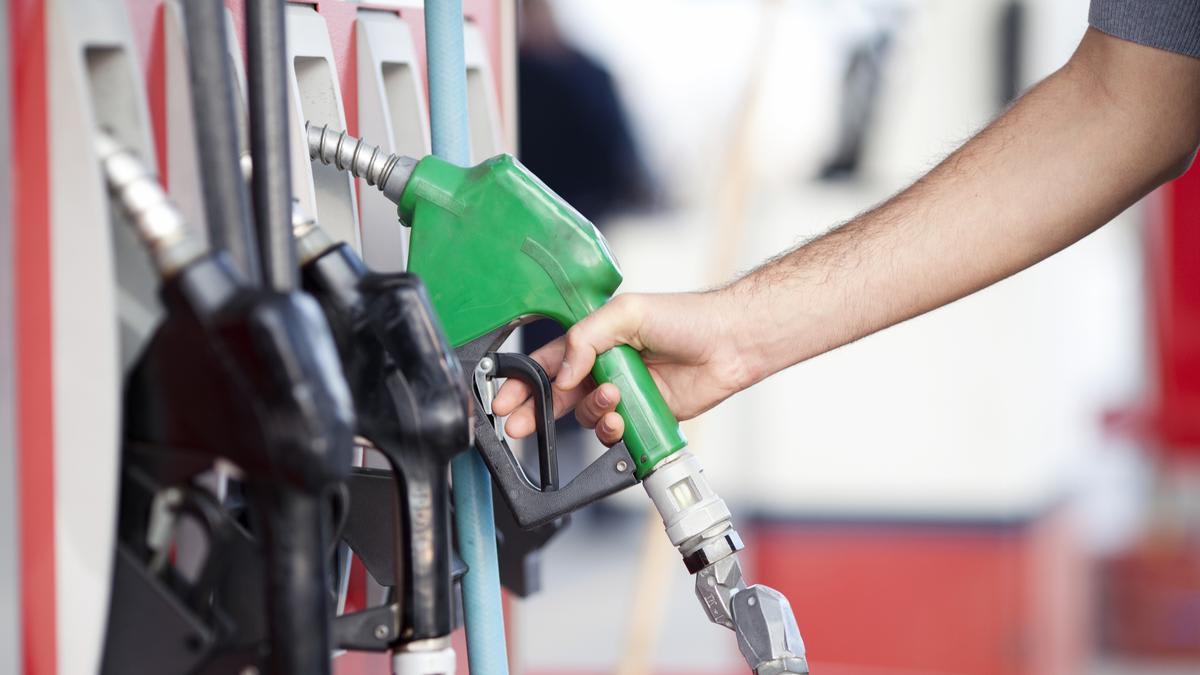
Karnataka and Kerala have launched investigations into fuel quality following reports of excessive ethanol blending. Officials are testing petrol samples to address widespread motorist complaints regarding engine performance and reduced mileage.
Karnataka and Kerala Launch Investigations into Ethanol Blending
Recent developments in Southern India have brought the national ethanol blending program under intense scrutiny. Karnataka Chief Minister D. K. Shivakumar announced that the state has conducted testing at 67 locations, including blending and distribution units, following widespread public complaints. These reports, which allege that some fuel contains up to 31.5% ethanol, have sparked concerns over vehicle health, with motorists reporting engine stalling and significantly reduced mileage.
The Regulatory Framework and Alleged Violations
The Union Ministry of Petroleum and Natural Gas currently mandates that oil companies may blend ethanol into petrol up to a limit of 20%. The allegations emerging from Karnataka suggest a significant breach of these guidelines. By purportedly exceeding the 20% threshold, fuel suppliers are being accused of compromising the chemical integrity of the fuel, which can lead to mechanical failures in vehicles not specifically calibrated to handle high ethanol concentrations.
Expanding Concerns and State Responses
The ripple effects of Karnataka’s findings were immediate, prompting the government of Kerala to initiate its own inspection regime. Civil Supplies Minister Anoop Jacob has ordered the Commissioner of Civil Supplies to conduct widespread testing at fuel outlets across Kerala. This inter-state response highlights the growing anxiety among policymakers regarding the supply chain integrity of petroleum products and the potential for systemic malpractice in the distribution network.
Impact on Vehicle Performance and Consumer Safety
At the heart of this issue is the consumer experience. Thousands of motorists have reported that their vehicles are failing to cover expected distances, a direct consequence of ethanol's lower energy density compared to pure gasoline. When the blend ratio is manipulated or exceeds safety standards, it can lead to phase separation—where water absorbs into the fuel—and degradation of engine components, creating both a financial burden and a safety hazard for commuters.
Broader Implications for India’s Energy Policy
India’s push for ethanol blending is a cornerstone of its strategy to reduce crude oil imports and promote greener energy. However, these investigations serve as a critical reminder that the success of such policies depends entirely on the accuracy of the supply chain. If blending units are not properly regulated, the environmental and economic benefits of the transition could be undermined by mechanical failures and a loss of public trust in alternative fuel initiatives.
Future Outlook and Regulatory Oversight
As Karnataka prepares to release its official findings, the results will likely serve as a benchmark for how other states handle fuel quality complaints. Moving forward, the Central Government will likely face pressure to implement more rigorous, real-time monitoring systems at distribution hubs. The outcome of these investigations could necessitate a more transparent verification process to ensure that the 20% blending mandate is strictly adhered to, protecting both the consumer and the long-term viability of India’s biofuel roadmap.
Verification Required?