Karnataka CM: Ethanol probe covered blending units; findings today
Source Entity
TNN
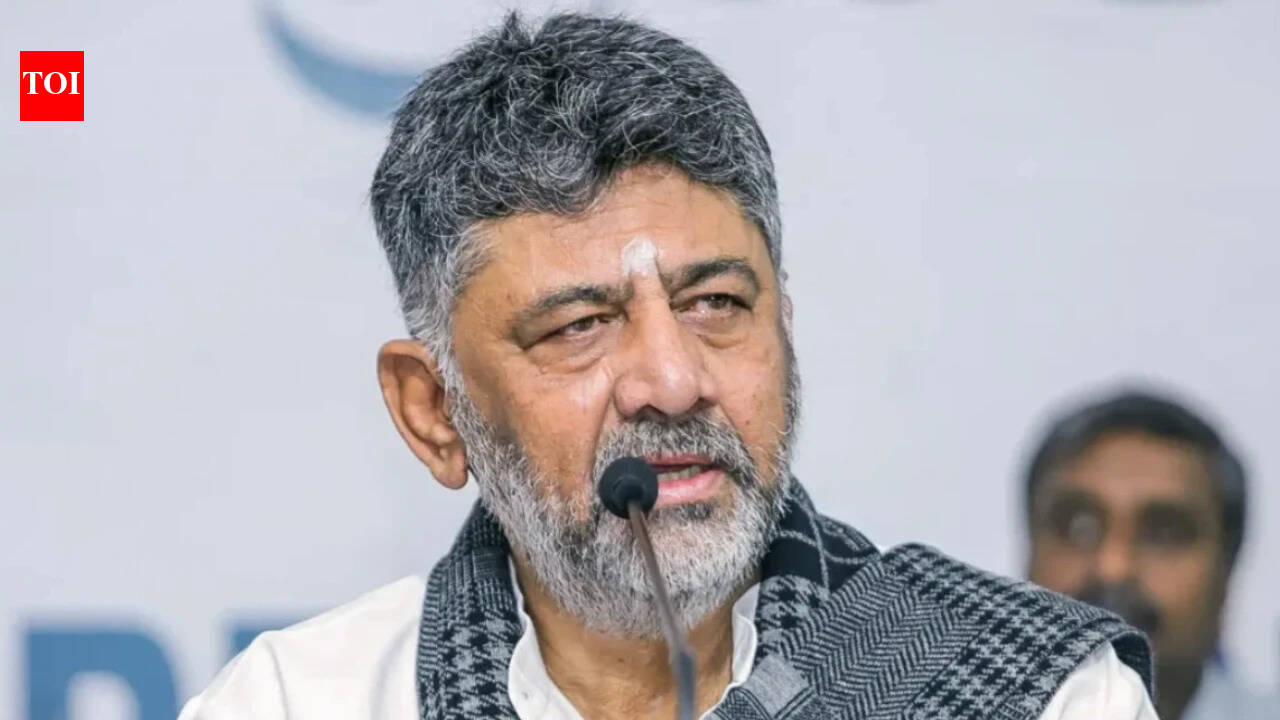
Karnataka and Kerala have launched investigations into fuel quality following widespread consumer complaints regarding excessive ethanol blending in petrol. Both states are testing samples to ensure compliance with the Union Ministry's 20% limit after reports of engine failure and reduced mileage.
Karnataka and Kerala Launch Investigations into Ethanol Blending Standards
The Crisis of Fuel Quality
Recent reports from Karnataka have triggered a significant regional investigation into the quality of petrol supplied at fuel outlets. Karnataka Chief Minister D. K. Shivakumar confirmed that the state government has initiated testing at 67 locations following widespread grievances from motorists. These complaints, which cite reduced mileage and dangerous engine stalling, suggest that the actual concentration of ethanol in the fuel may be significantly higher than the authorized limits, with some allegations pointing toward a 31.5% blend.
Regulatory Framework and Allegations
Under the current guidelines established by the Union Ministry of Petroleum and Natural Gas, oil marketing companies are mandated to cap ethanol blending at 20%. This policy, aimed at reducing carbon emissions and dependence on imported crude oil, is predicated on the assumption that modern engines can handle this specific mixture. However, the claims emerging from Karnataka suggest a systemic failure in the distribution chain, prompting the state government to extend inspections beyond retail pumps to include the actual blending and distribution units.
Regional Ripple Effects
The concerns raised in Karnataka have not remained contained within its borders. Recognizing the potential for a cross-border supply chain issue, the government of Kerala has proactively launched its own series of inspections. Civil Supplies Minister Anoop Jacob has instructed the Commissioner of Civil Supplies and Consumer Affairs to verify fuel samples across select districts. This coordinated administrative response highlights the seriousness with which state governments are treating the potential for malpractice in fuel supply.
Technical and Economic Implications
For the average consumer, the implications of excessive ethanol blending are both financial and mechanical. Ethanol has a lower energy density than gasoline, meaning that even at the approved 20% level, there is a noted impact on fuel efficiency. When that percentage is exceeded, as alleged, it can lead to phase separation, corrosion of fuel system components, and significant engine performance degradation. The financial burden on motorists, coupled with the potential for costly vehicle repairs, has necessitated this high-level government intervention.
Future Outlook and Accountability
As the investigation proceeds, the findings are expected to provide clarity on whether the issue stems from accidental mismanagement at blending units or deliberate adulteration. The involvement of the Central Government, as indicated by Chief Minister Shivakumar, suggests that this will likely become a point of contention between state and federal authorities regarding oversight. Future trends will likely see stricter monitoring protocols and perhaps a more transparent reporting mechanism for fuel quality to restore consumer confidence in the national ethanol blending program.
Multiple Citing Sources