Karnataka prepares for power supply during summer as consumers grapple with outages
Source Entity
India Latest News: Top National Headlines Today & Breaking News | The Hindu
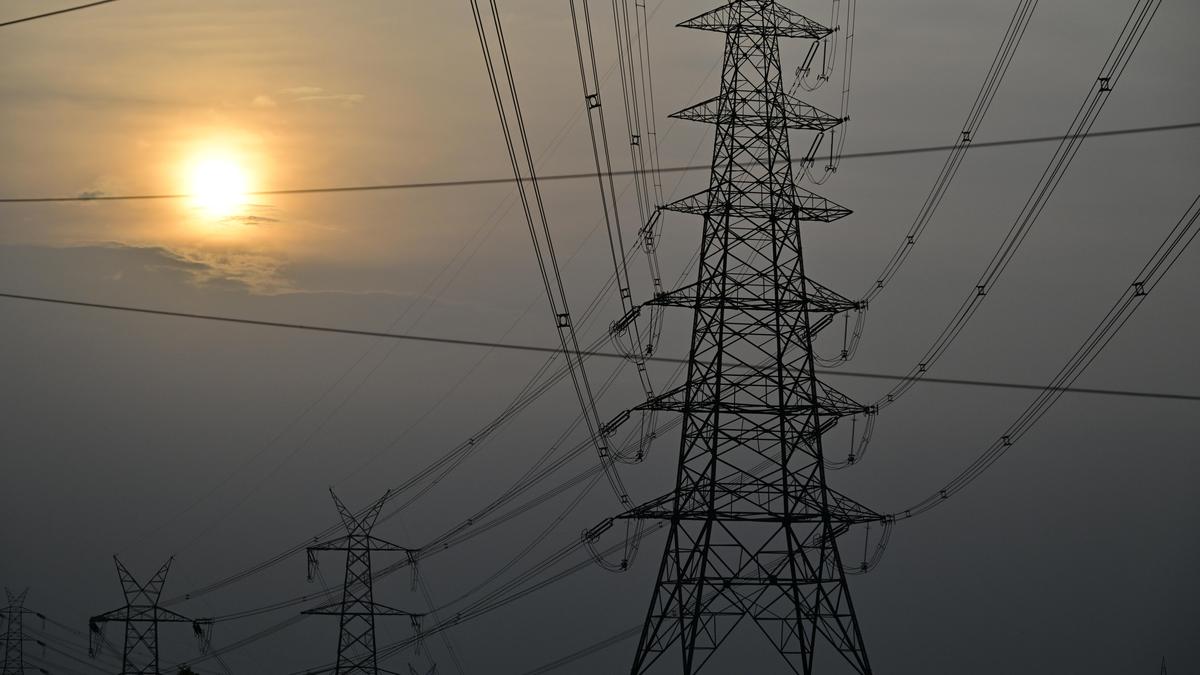
Karnataka is managing power demand fluctuations as recent rainfall helps stabilize supply. The state has increased capacity by 3,000 MW to address ongoing outage complaints and prepare for future peak loads.
Karnataka's Power Grid: Balancing Demand and Supply
The state of Karnataka is currently navigating a complex energy landscape as officials work to stabilize the power grid amid a surge in consumer complaints regarding outages. While the energy sector in Karnataka is often seen as more robust than its neighbors, the recent strain on the infrastructure highlights the vulnerability of the grid during shifting weather patterns and fluctuating consumption levels.
Analyzing Demand Fluctuations
Recent data from the State Load Dispatch Centre provides a clear window into these fluctuations. On September 30, power demand was recorded at 298 million units (MU), a notable decrease from the 340 MU levels observed just weeks prior in early and mid-September. Officials attribute this dip primarily to the positive impact of recent rainfall, which has likely reduced the agricultural and domestic demand for irrigation and cooling systems.
Scaling Up Infrastructure
To mitigate the impact of persistent power cuts, the Energy Department has taken proactive steps by scaling up supply capacity by more than 3,000 MW. This augmentation is being achieved through a multi-pronged strategy that includes ramping up thermal power generation, procuring additional electricity from the central grid, and tapping into independent power generators. This diversification is essential for maintaining grid reliability when demand spikes unpredictably.
The Challenge of Reliability
Despite these efforts, consumers in major urban hubs like Bengaluru continue to face disruptions. The disconnect between the state’s reported supply capacity and the ground-level experience of the public suggests that distribution bottlenecks or maintenance issues may be contributing to the outages. While officials maintain that Karnataka remains in a better position compared to other South Indian states, the ongoing complaints indicate that infrastructure resilience remains a top priority.
Looking Toward Future Trends
As Karnataka moves toward the summer season, the pressure on the energy grid is expected to intensify. The current strategy of increasing capacity is a necessary short-term fix, but the state will likely need to focus on long-term grid modernization and renewable energy integration to handle future demand surges. By addressing these supply chain gaps now, the Energy Department aims to prevent the widespread outages that typically plague the region during peak heat months.
Conclusion
In summary, Karnataka is currently managing a transitional phase in its power sector. The combination of increased procurement and favorable weather has provided some temporary relief, yet the underlying demand volatility requires sustained attention. Strengthening the distribution network will be the next critical step in ensuring that the state's growing economy is supported by a stable and uninterrupted energy supply.
Verification Required?