Huge quantity of PDS rice seized in crackdown
Source Entity
India Latest News: Top National Headlines Today & Breaking News | The Hindu
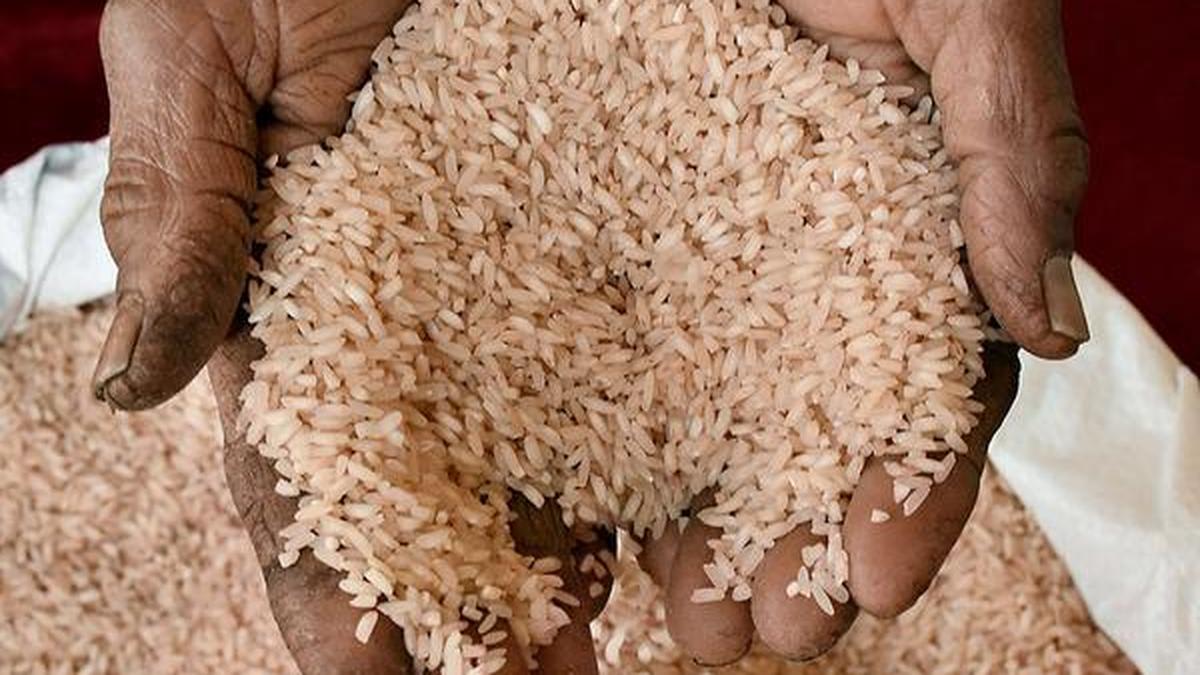
Karnataka authorities have seized 565 tonnes of PDS rice valued at ₹1.34 crore, uncovering a racket diverting subsidized grain for illegal export to Africa. The state has registered six criminal cases and seized 20 transport vehicles to disrupt this black-market supply chain.
Karnataka Cracks Down on Massive PDS Rice Diversion Racket
In a significant enforcement operation, Karnataka state authorities have successfully intercepted 565 tonnes of subsidized rice intended for the Public Distribution System (PDS). The seizure, valued at approximately ₹1.34 crore, marks a decisive blow against a sophisticated black-market syndicate that had been siphoning grain from the Food Corporation of India (FCI) for illicit international trade. This three-day statewide operation highlights the persistent challenges state governments face in securing social safety nets against profit-driven exploitation.
The Mechanics of the Illicit Network
The investigation has exposed a complex supply chain designed to bypass domestic food security mandates. According to officials, Mandya-based Annapurneshwari Enterprises allegedly purchased grain directly from local FCI godowns before funneling the stock to Sailar Exports Ltd, based in Madhya Pradesh. The ultimate objective of this operation was to transport the subsidized rice to the Chennai port for illegal export to African markets. By stripping the PDS of its intended inventory, these actors not only violated the Essential Commodities Act, 1981, but also directly undermined the food security of the vulnerable populations the system is designed to support.
Multi-Agency Enforcement and Accountability
The operation was characterized by a high degree of inter-departmental coordination, involving the Food and Civil Supplies Department, Commercial Taxes, Agricultural Marketing, the Police, and Excise departments. Beyond the recovery of 564,992 kg of rice, the authorities seized 20 transport vehicles valued at ₹3.41 crore, effectively crippling the logistical capabilities of the syndicate. The state government has demonstrated a commitment to internal accountability as well, initiating disciplinary action against two officials in Belagavi district for their failure to regulate an illegal storage facility operated by Ravi Traders in Bastawad village.
Broader Implications for Food Security
This incident underscores the systemic risks inherent in managing large-scale food distribution networks. When subsidized goods are diverted to the global export market, it creates an artificial shortage within the local economy, potentially driving up prices for the very citizens who rely on the PDS. The involvement of multiple states—Karnataka, Madhya Pradesh, and Tamil Nadu—suggests that these diversion rackets are often inter-state in nature, necessitating a more robust, centralized monitoring mechanism for FCI grain movement to prevent future leakages.
Future Trends and Regulatory Outlook
As the government moves forward with the prosecution of the nine individuals booked under the Essential Commodities Act, the focus will likely shift toward tightening the digital tracking of grain from godown to beneficiary. Experts suggest that the future of PDS integrity lies in blockchain-based tracking or enhanced real-time auditing of transport logs. By exposing this international smuggling route, Karnataka has set a precedent for aggressive enforcement, but long-term success will require sustained vigilance to ensure that subsidized resources remain within the borders they were intended for.
Verification Required?