Supreme Court seeks Centre, states’ response on deaths of 32 tribal children in MP
Source Entity
Latest News: Todays Latest News Headlines from India & World | Hindustan Times | Hindustan Times
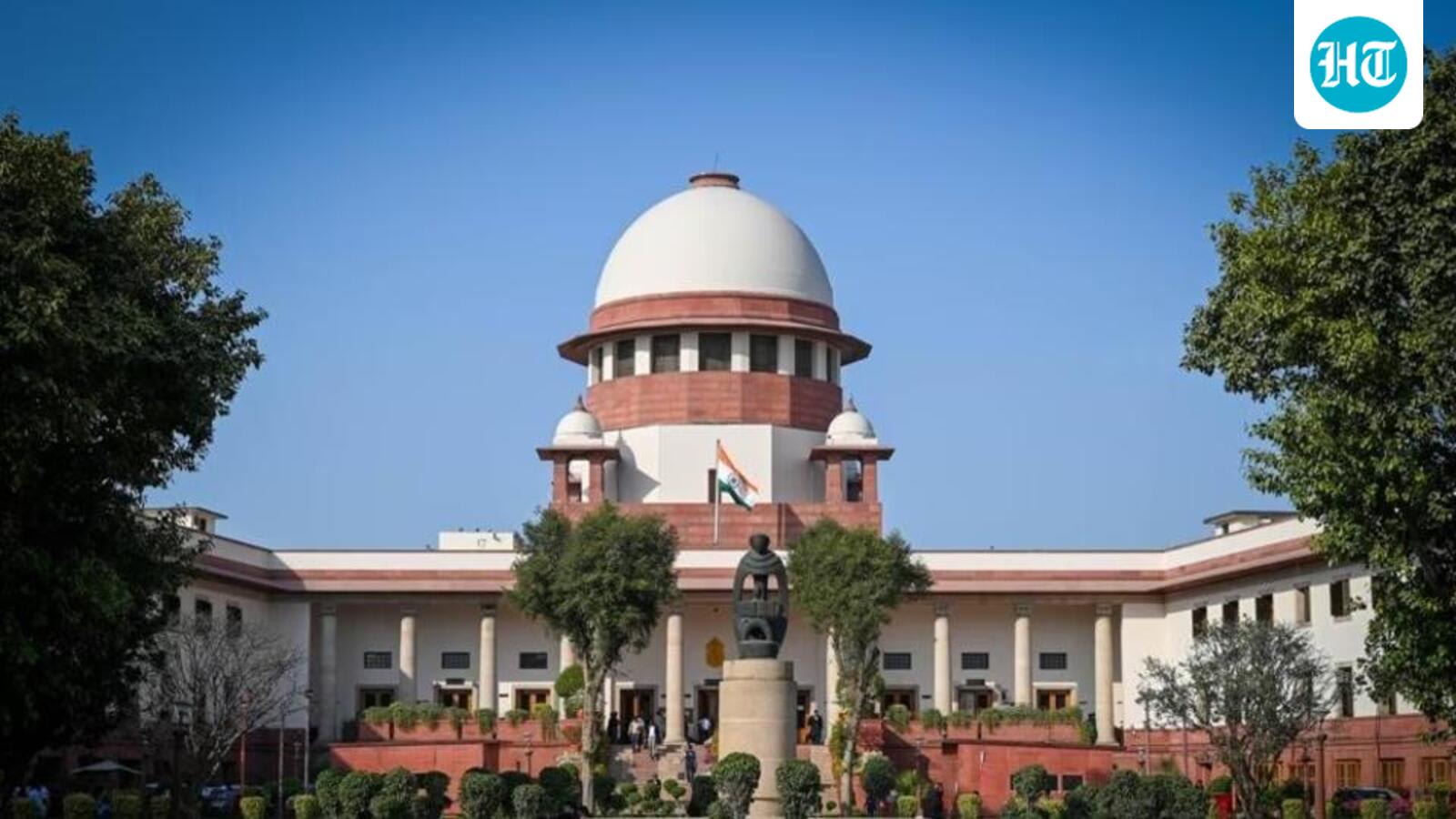
The Supreme Court has issued notices to the Centre, Madhya Pradesh, and Chhattisgarh regarding the tragic deaths of 32 Baiga tribal children in Balaghat. The court is seeking urgent responses on compensation for families and systemic improvements to address malnutrition and water scarcity.
Judicial Intervention in the Balaghat Tribal Tragedy
A Crisis of Accountability
The Supreme Court’s recent intervention regarding the death of 32 Baiga tribal children in Madhya Pradesh’s Balaghat district marks a critical juncture in the discourse on tribal welfare in India. By labeling the event as "most unfortunate" and issuing notices to the Centre, the Madhya Pradesh government, and the Chhattisgarh government, the judiciary has signaled that the systemic failure to provide basic human necessities is a matter of constitutional concern. The petition, filed by local resident Ajab Lal Lilhare, highlights not just a singular tragedy, but a pattern of neglect affecting one of India’s most vulnerable Particularly Vulnerable Tribal Groups (PVTGs).
The Vulnerability of the Baiga Community
The Baiga tribe, primarily residing in the regions spanning Madhya Pradesh and Chhattisgarh, represents a community historically marginalized from mainstream development. The deaths in Balaghat are inextricably linked to the acute prevalence of severe malnutrition and a glaring lack of potable drinking water. These factors are not merely incidental; they are the result of prolonged socio-economic isolation and the failure of state-run welfare schemes to reach the most remote tribal habitations. The Supreme Court's demand for effective protection measures suggests a need for a structural overhaul of how the state monitors the health indicators of these specific populations.
Systemic Failures in Welfare Delivery
At the core of this legal battle is the question of why, despite various government initiatives aimed at reducing child mortality, such preventable deaths continue to occur. Malnutrition in tribal belts is often compounded by seasonal migration, food insecurity, and the non-availability of adequate healthcare infrastructure in forested areas. The involvement of both the Centre and two state governments indicates that the court recognizes the inter-state nature of the Baiga habitat and the necessity for a coordinated, multi-jurisdictional approach to public health and water security.
Compensation and Legal Precedent
By seeking responses on compensation, the Supreme Court is emphasizing the state's duty to provide restitution to the bereaved families. This move sets a significant legal precedent, asserting that the loss of life due to state negligence in providing basic services warrants financial accountability. It serves as a stark reminder to regional administrations that constitutional obligations toward tribal welfare are not merely policy goals but enforceable mandates. The outcome of these responses will likely influence how future malnutrition-related cases are adjudicated across the country.
The Path Forward for Tribal Policy
As the legal process unfolds, the focus must shift toward long-term sustainability. The court’s intervention is expected to catalyze a more rigorous audit of existing water and nutritional support programs. Future trends in this sector will likely involve stricter oversight mechanisms, real-time health monitoring for children in tribal districts, and perhaps a more aggressive implementation of the Forest Rights Act and other welfare protections. Ultimately, the survival of the Baiga children hinges on the state’s ability to bridge the gap between policy rhetoric and ground-level delivery.
Verification Required?