Karnataka anthem to feature ‘boudha’ as panel clears tweak to Kuvempu’s poem
Source Entity
Akram M
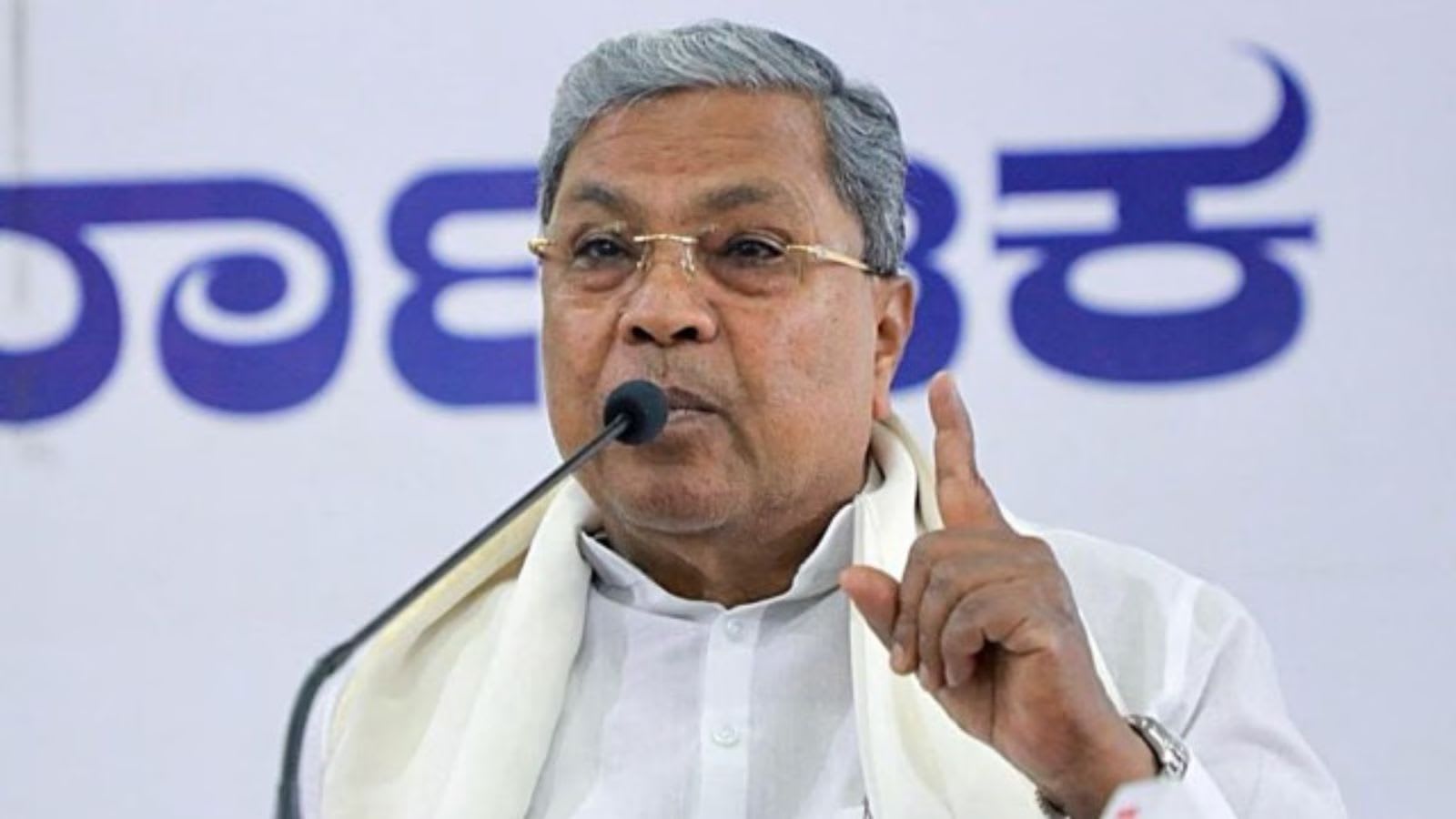
The Karnataka government is set to include 'Boudha' (Buddhist) in the state anthem, 'Jaya Bharata Jananiya Tanujate', written by poet Kuvempu. This historic amendment marks the first time new words have been added to the anthem since its 2003 adoption.
Evolution of the Karnataka State Anthem: Integrating Inclusivity
Karnataka is on the verge of a significant cultural update to its state anthem, Jaya Bharata Jananiya Tanujate, penned by the iconic Kannada poet Kuvempu. A government-appointed committee has officially recommended the inclusion of the word 'Boudha' (Buddhist) into the poem's verse, reflecting a commitment to recognizing the diverse religious fabric that defines the state. This amendment serves as a modern acknowledgment of Buddhism’s historical and spiritual footprint within the region.
The Linguistic Shift
Currently, the second line of the sixth paragraph of the anthem lists several major religions, reading "Hindu kraista musalmana, parasika jainarudyana," which translates to a garden for Hindus, Christians, Muslims, Parsis, and Jains. The proposed change will transform the line into "Hindu kraista musalmana, parasika jaina boudharudyana." By adding the term for Buddhists, the state is effectively expanding the poetic imagery of a 'garden' to be more representative of the contemporary social reality in Karnataka.
Historical Context and Precedent
Since its formal adoption as the state anthem in 2003, the anthem has remained largely static in its lyrical composition. While the original poem by Kuvempu spans 44 lines, the version used as the anthem is an abridged 21-line selection. Although the poem has undergone minor structural adjustments in the past to suit its role as an anthem, this is the first instance where new terminology has been inserted directly into the lyrics. This decision signals a departure from strict adherence to the truncated version in favor of progressive cultural representation.
Broader Implications of the Change
This move carries significant sociopolitical weight. By embedding the Buddhist identity into the state’s most sacred musical composition, the government is reinforcing the secular and pluralistic ideals often associated with Kuvempu’s vision of Karnataka. It positions the state as a place that actively updates its cultural symbols to ensure that no major religious community feels excluded from the collective identity of the land.
Future Trends in Cultural Policy
This development suggests that Karnataka is increasingly willing to revisit its canonical literature to ensure it remains relevant to modern societal shifts. As public discourse around identity and history continues to evolve, the state’s willingness to amend its anthem may set a precedent for other regions looking to reconcile their traditional literary heritage with contemporary inclusivity standards. The final approval by the state government will mark a milestone in the history of Kannada literature and state identity.